


Ball Valve 1001 Series | 4G Ghidini | Philippopoulos s.a.

Ball Valve 1001 Series | 4G Ghidini

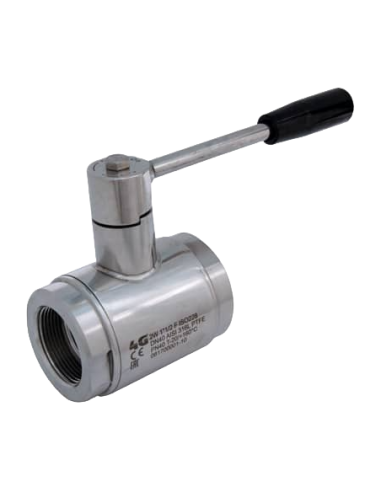
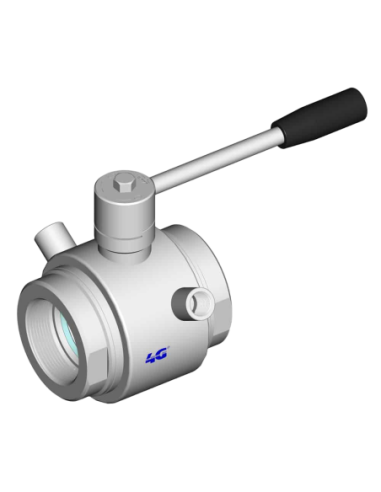
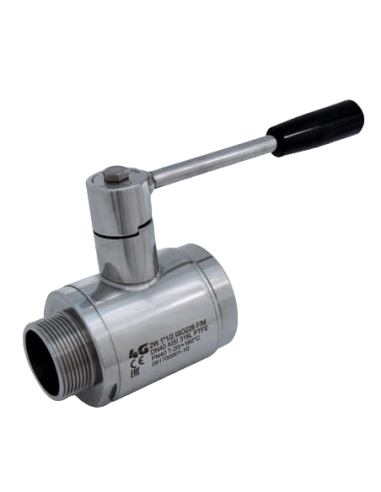
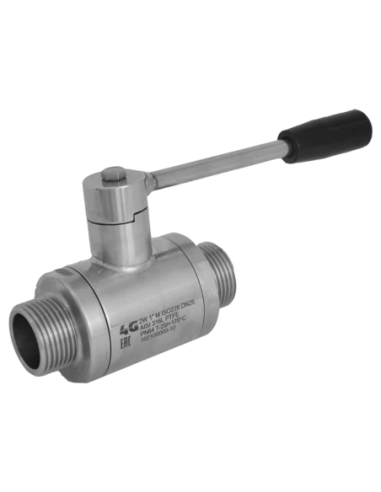
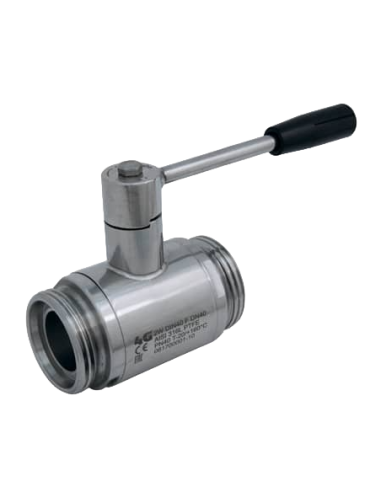
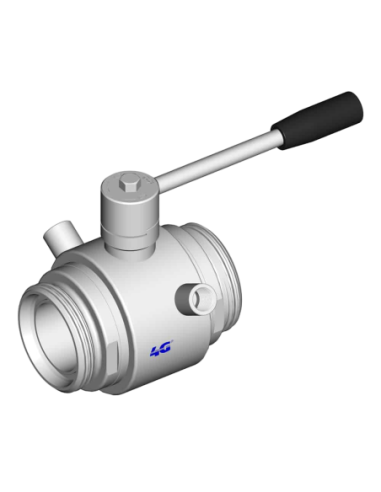
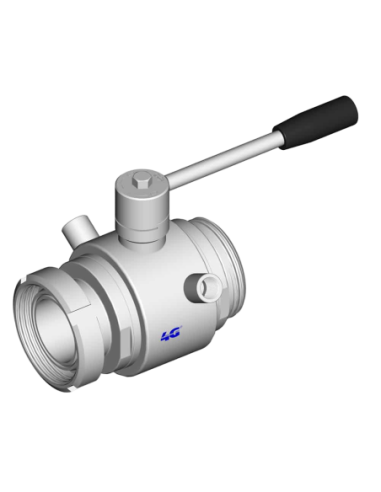
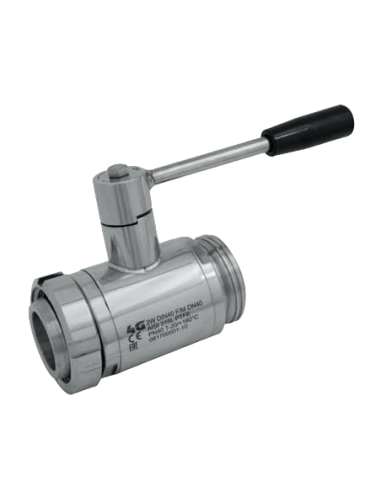
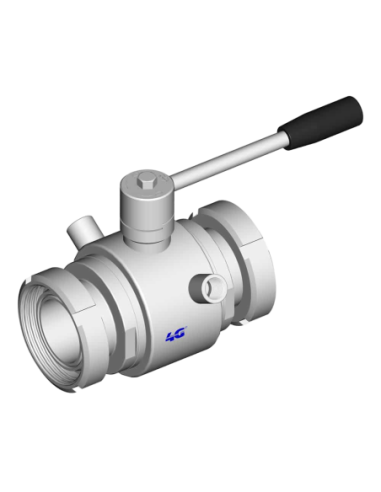
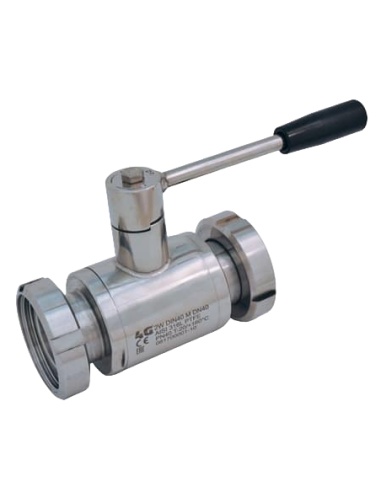
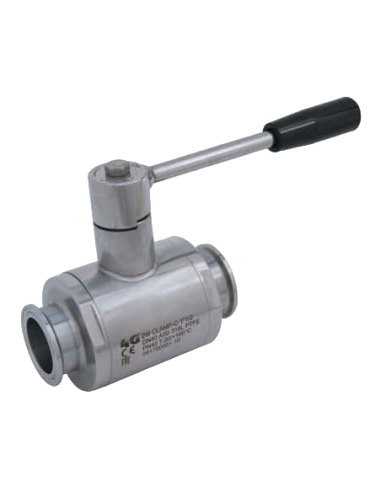
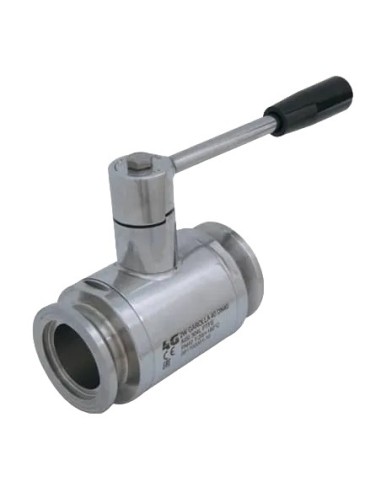
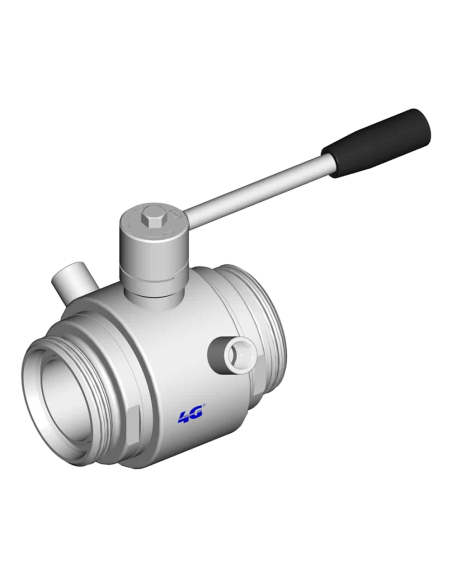
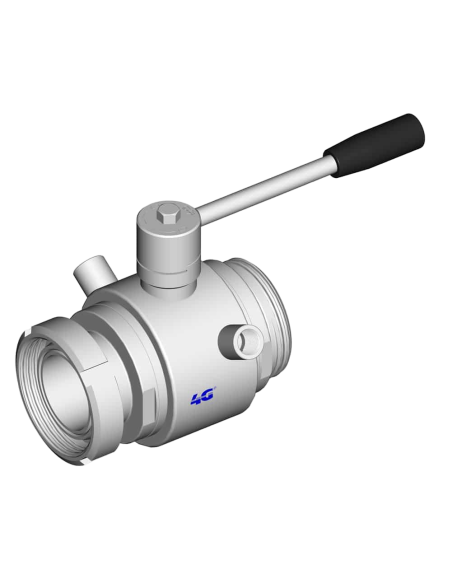
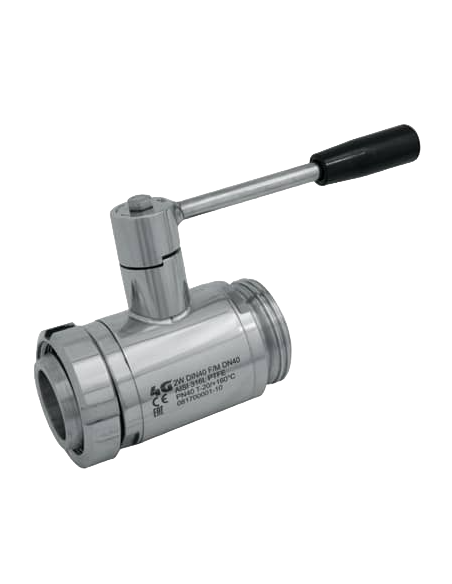
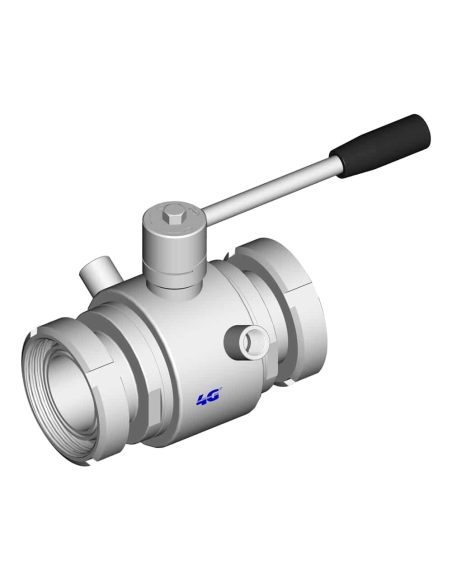
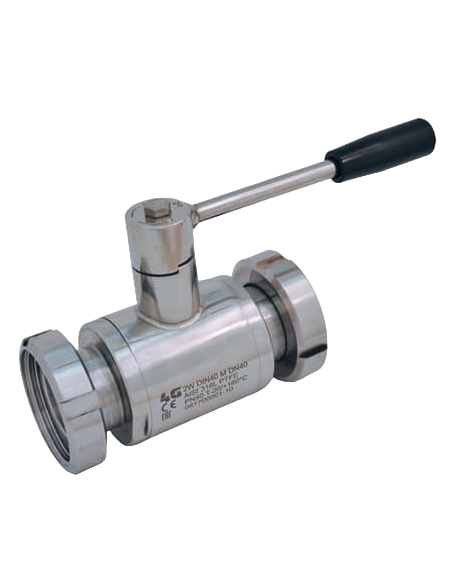
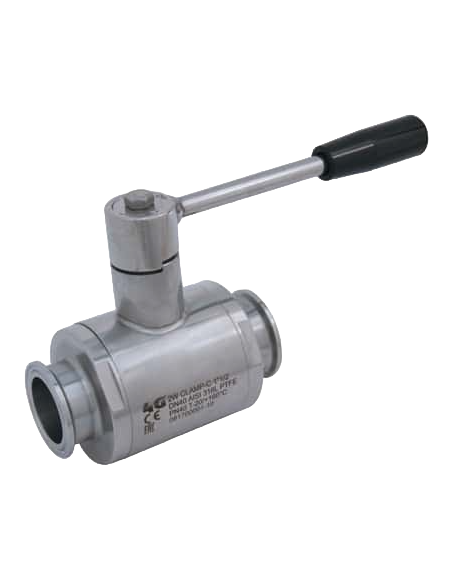
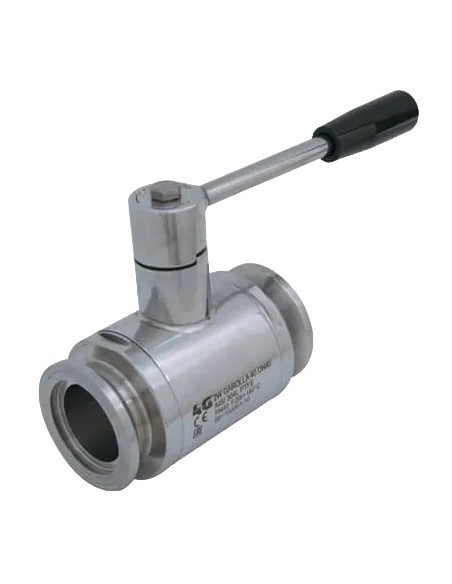
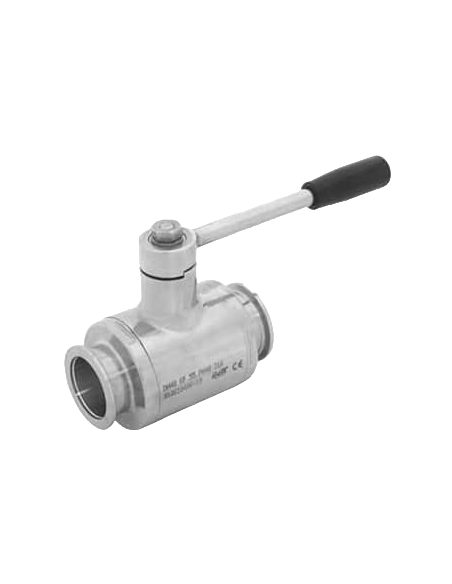
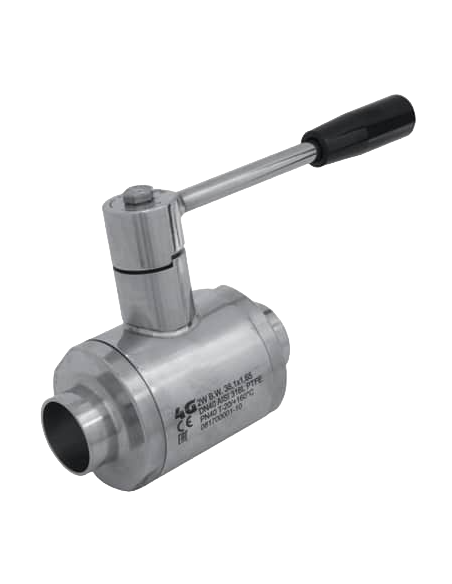
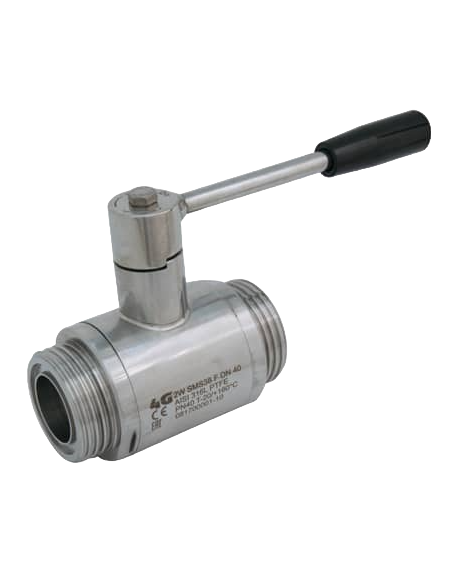
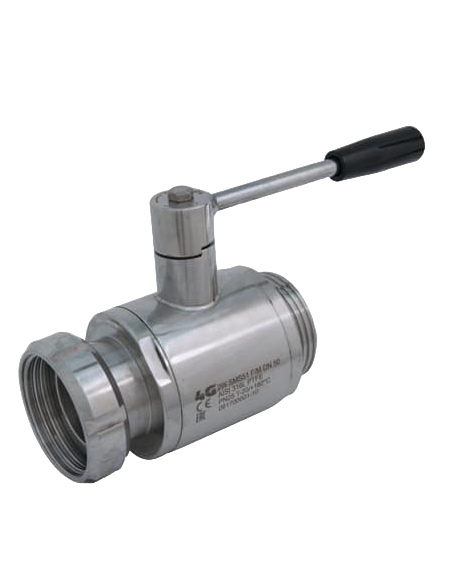
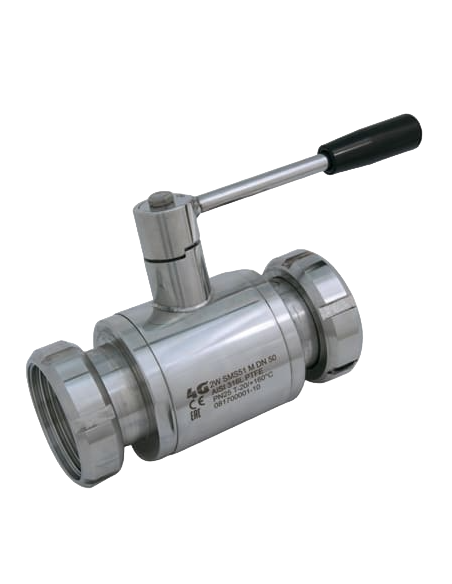
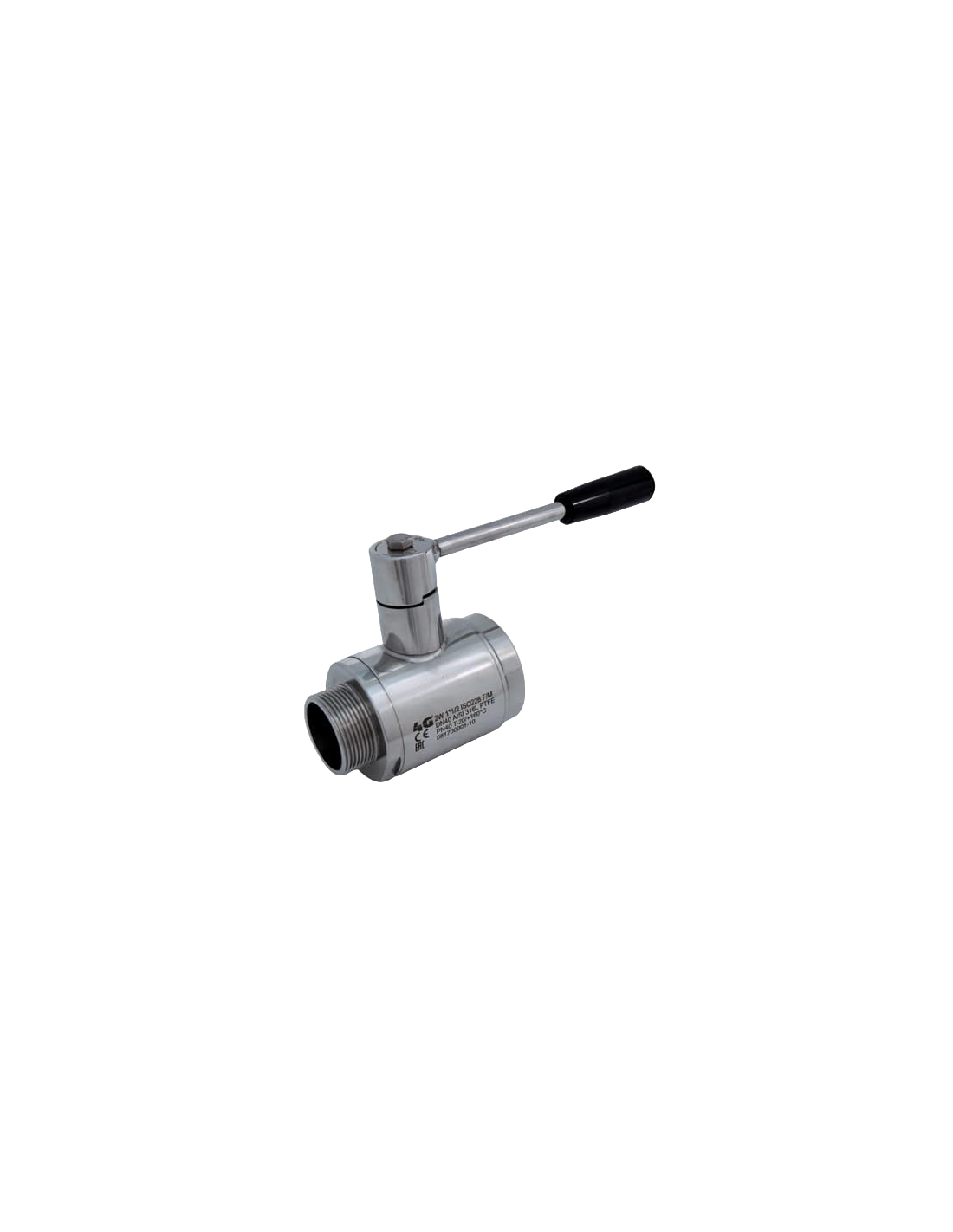
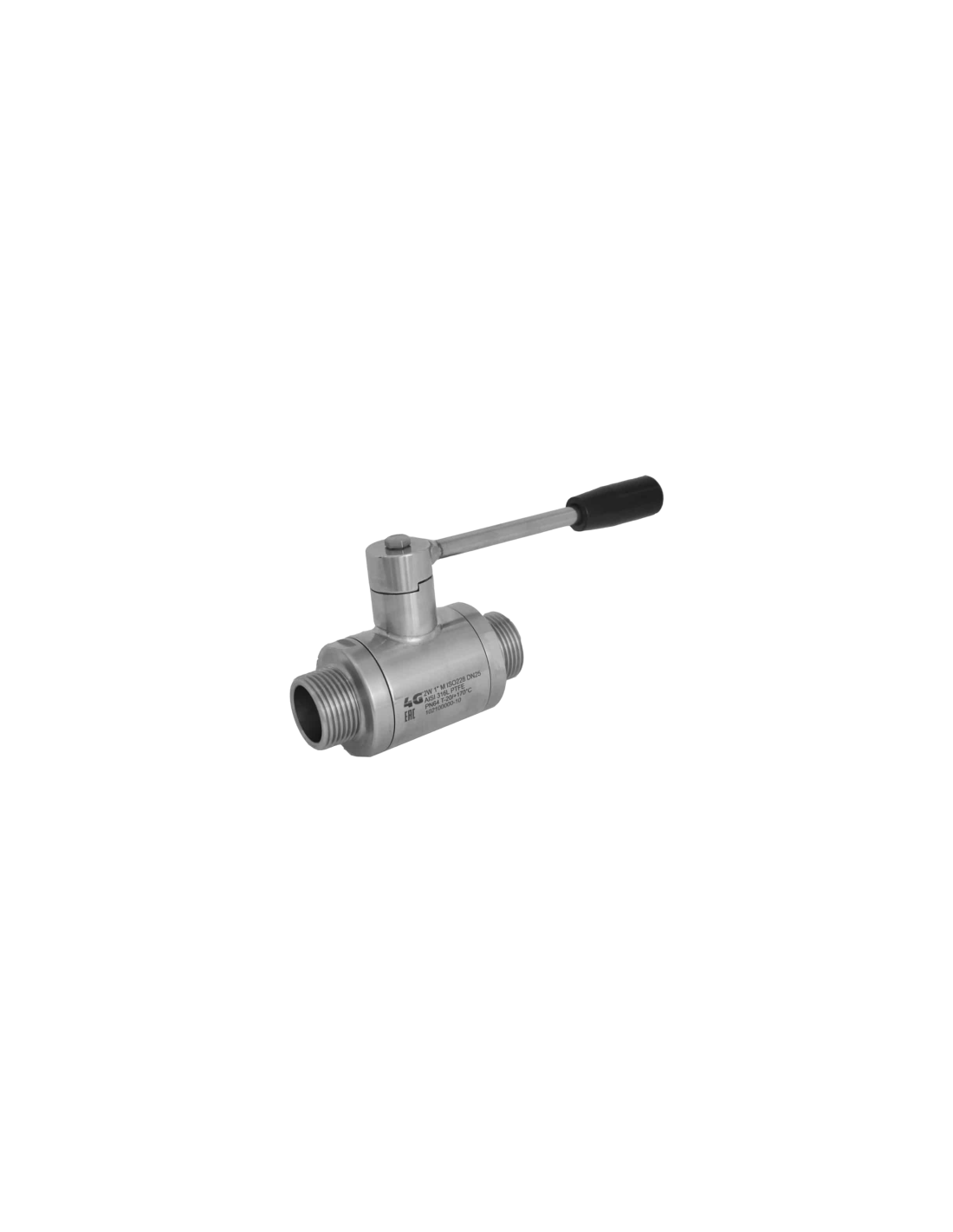
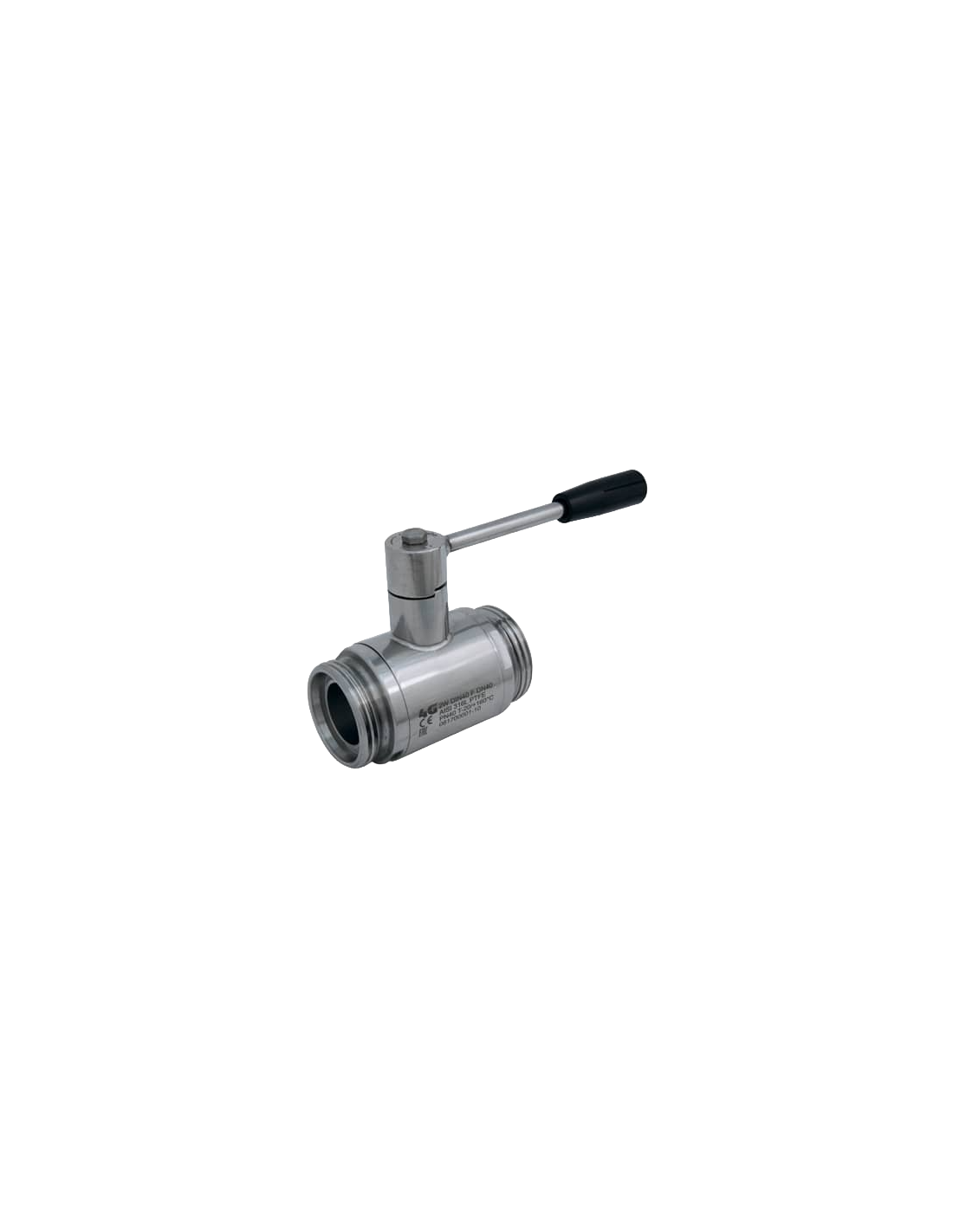
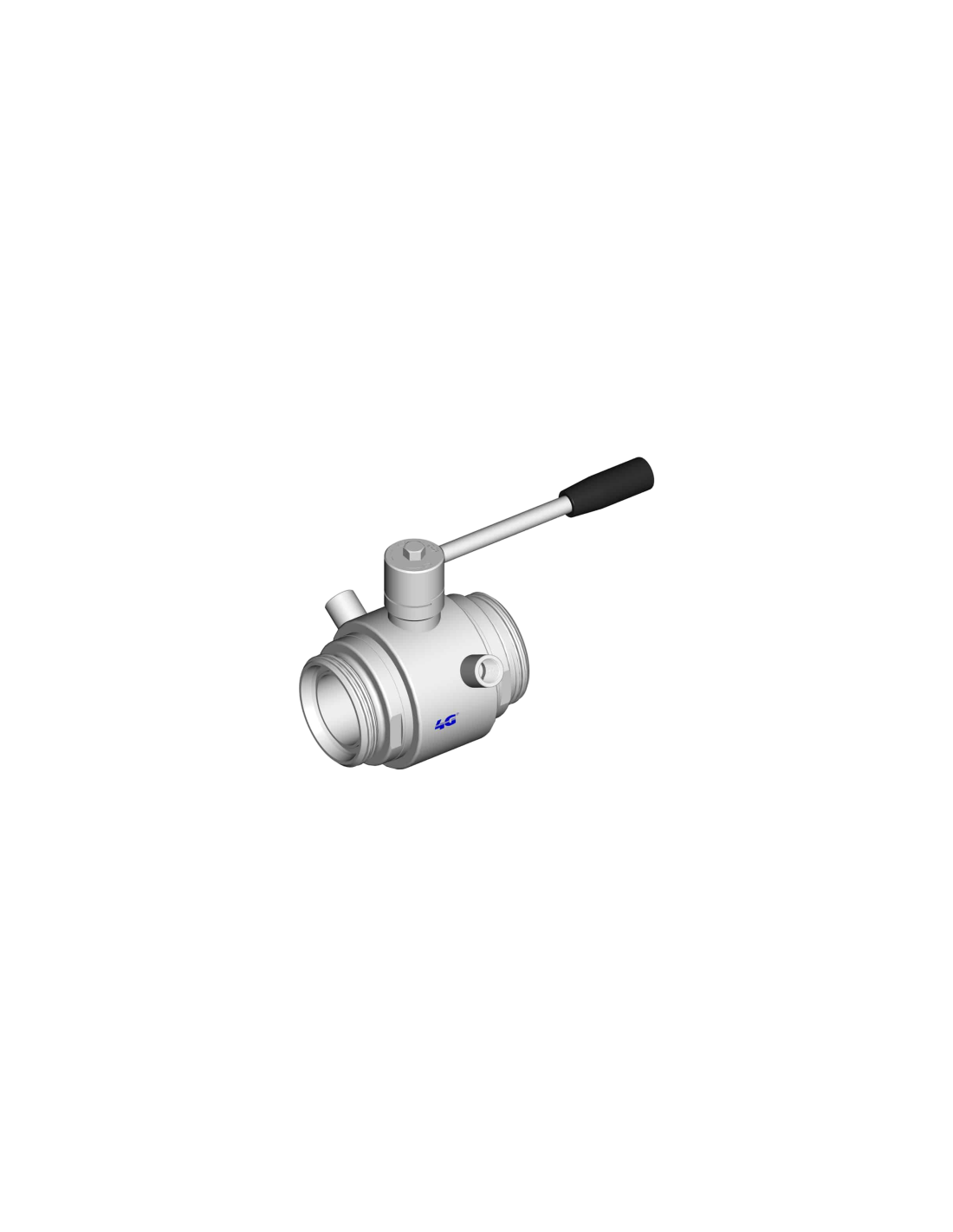
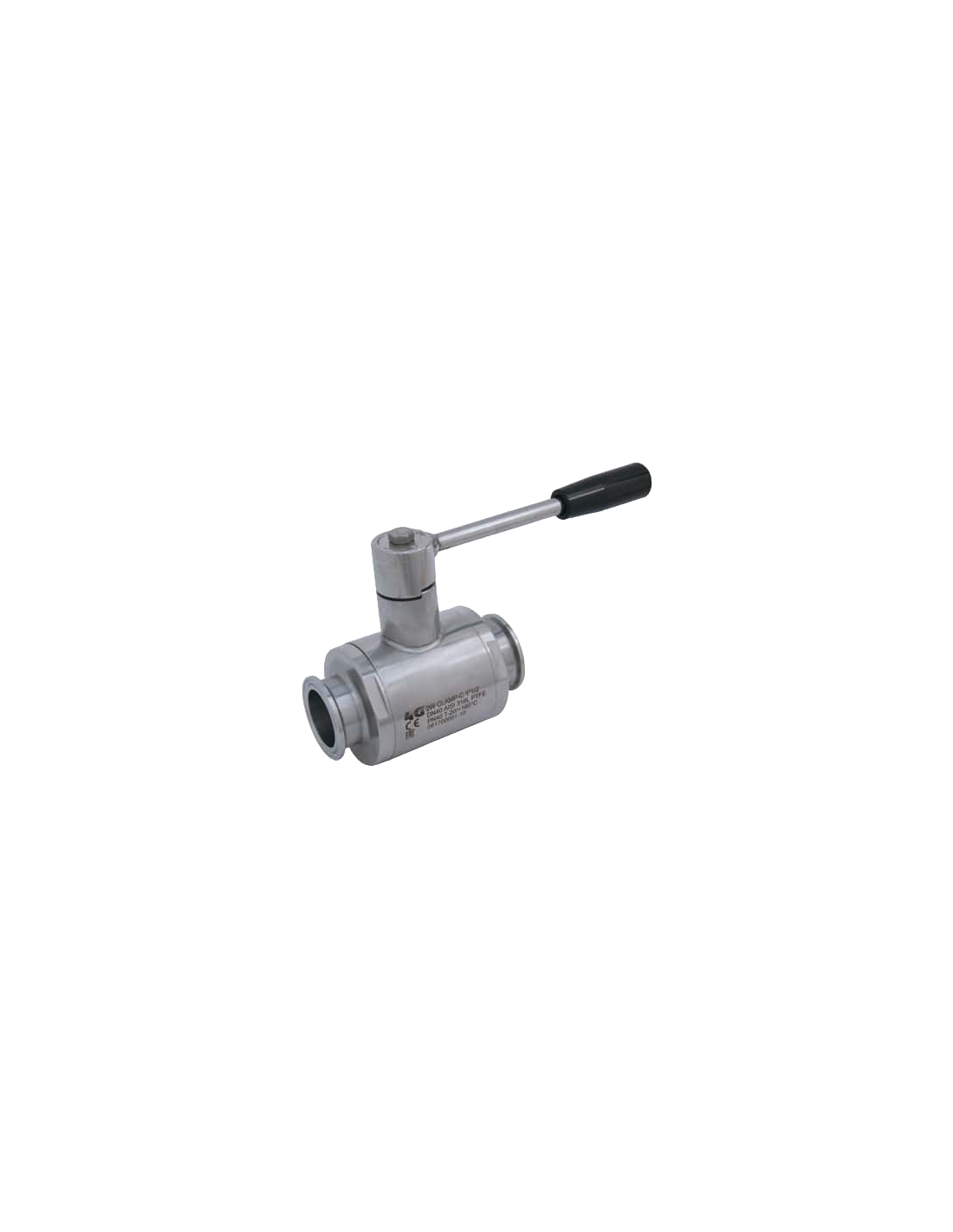
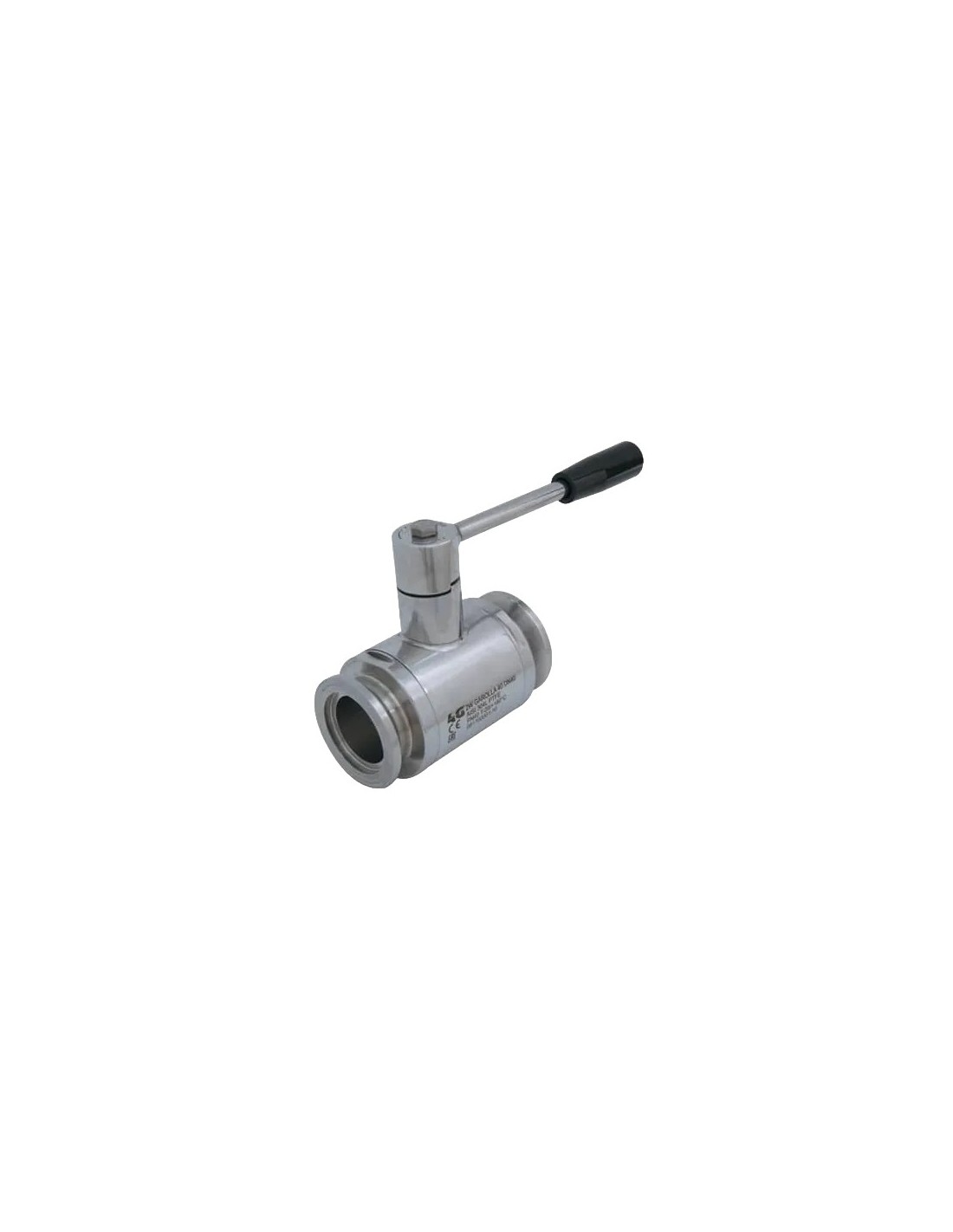
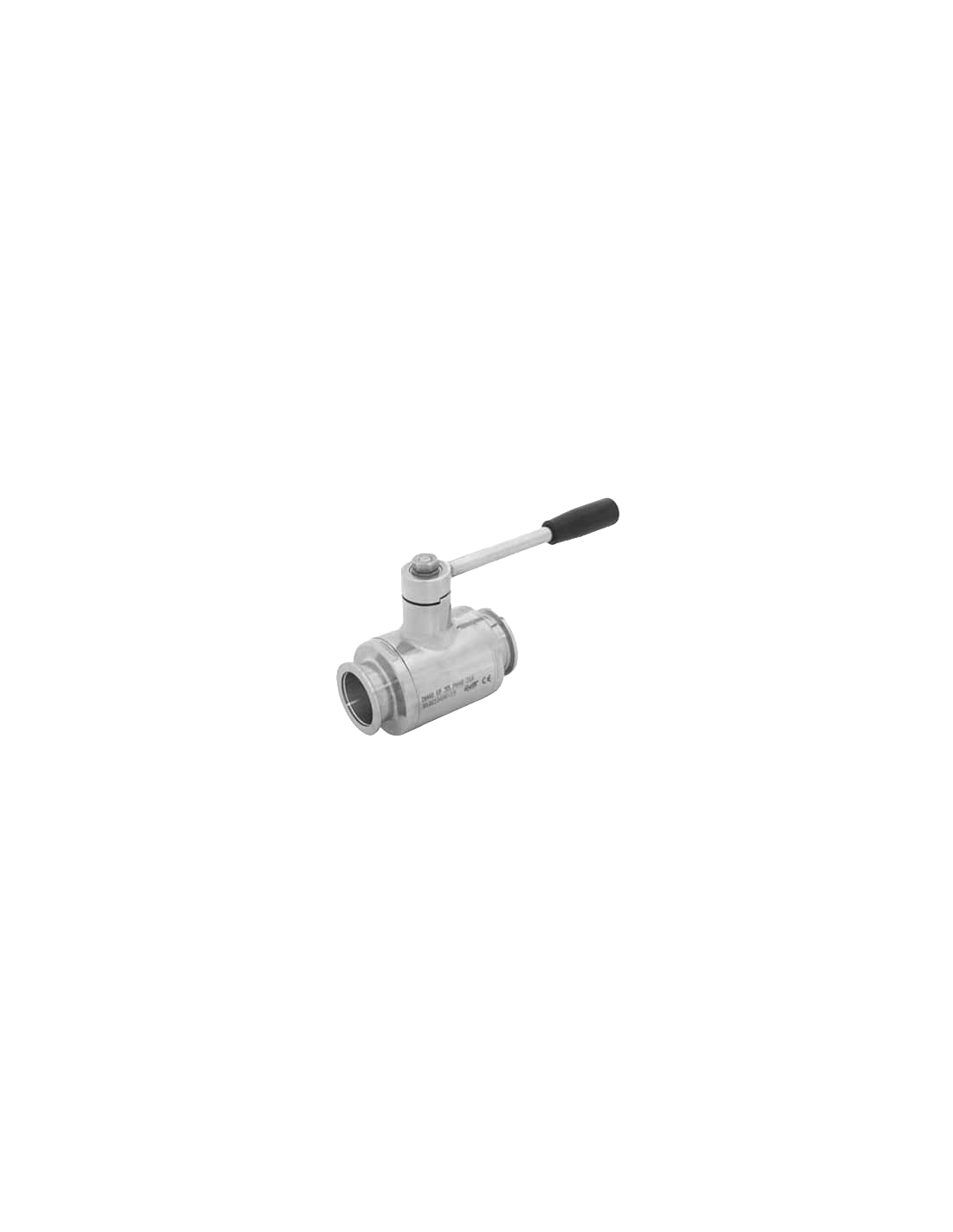
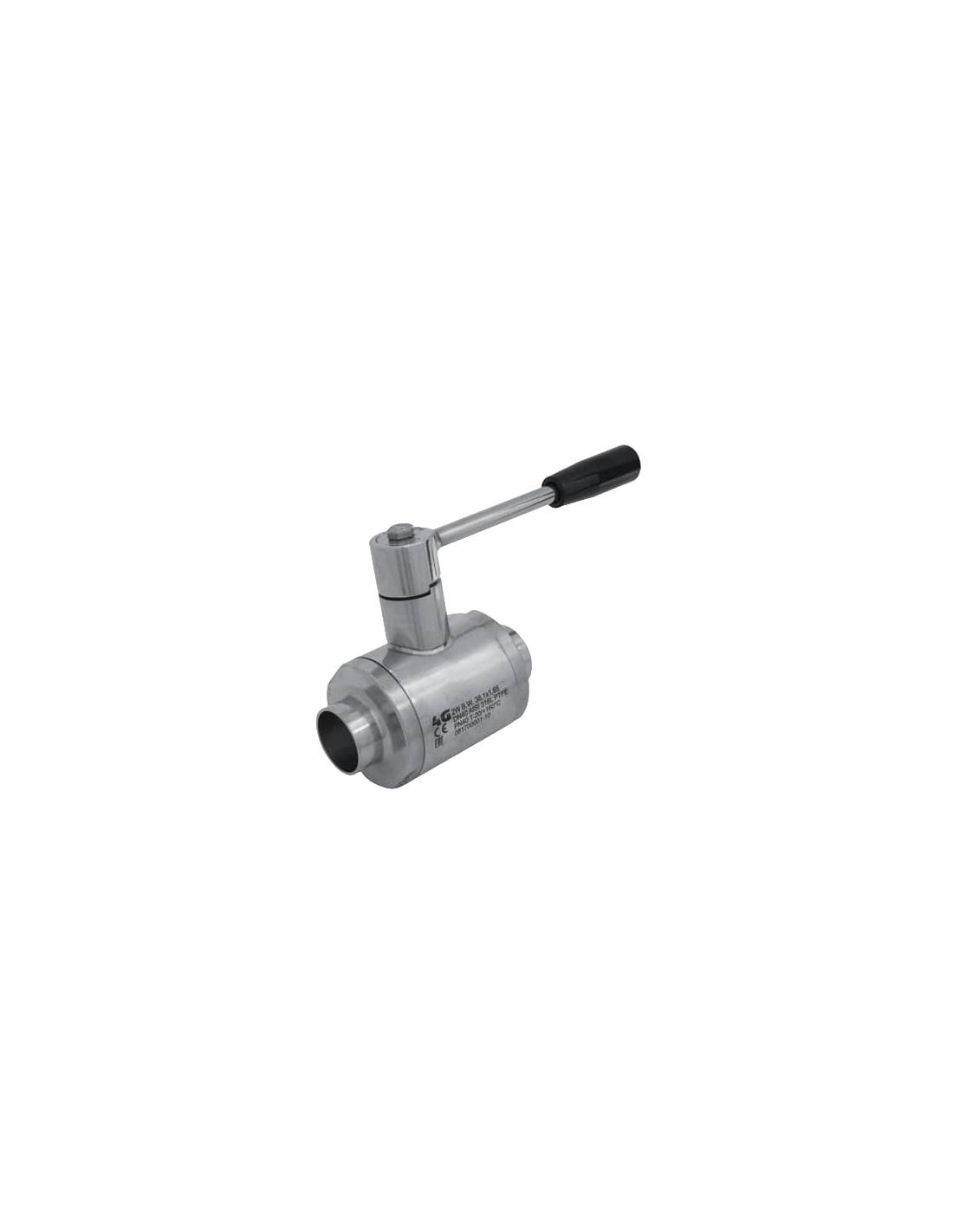
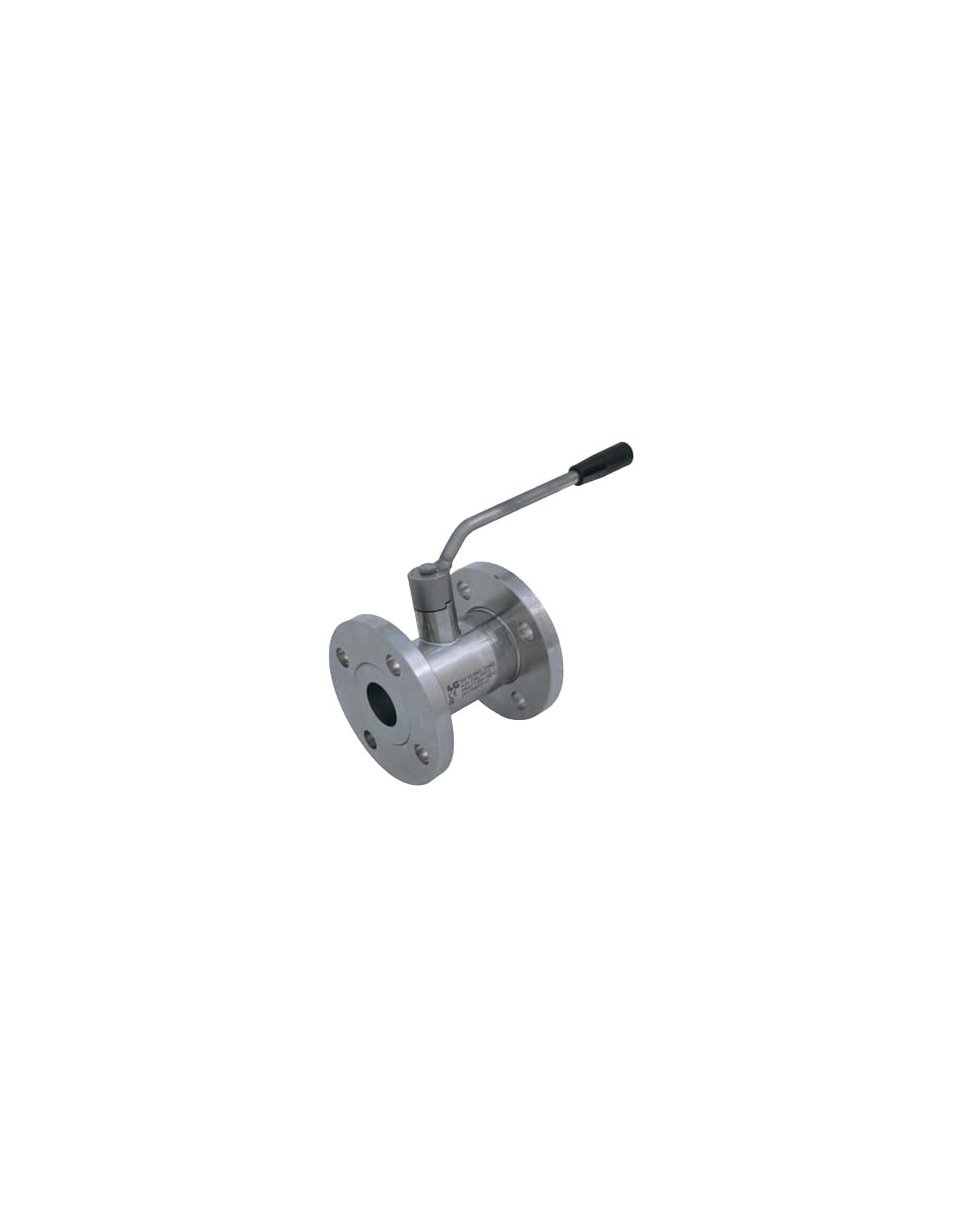
Ghidini 1001 4G Two-Way Ball Valve

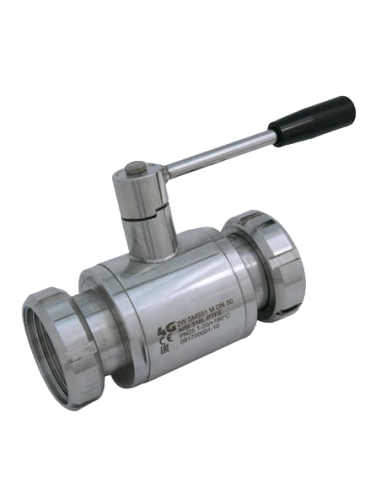
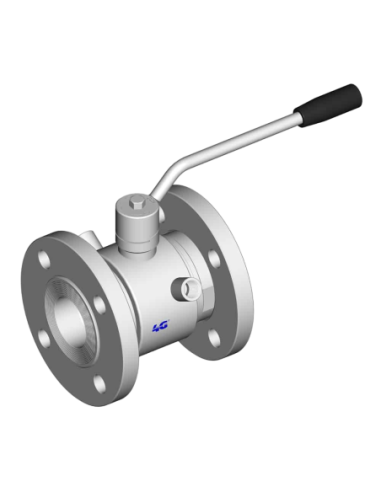
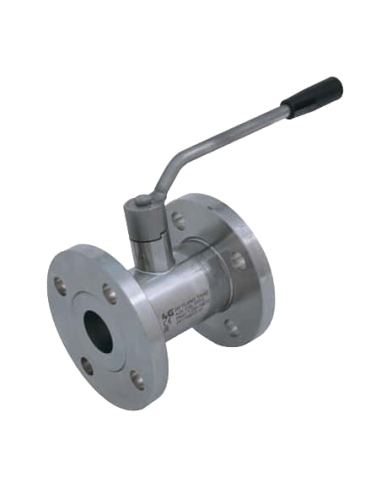
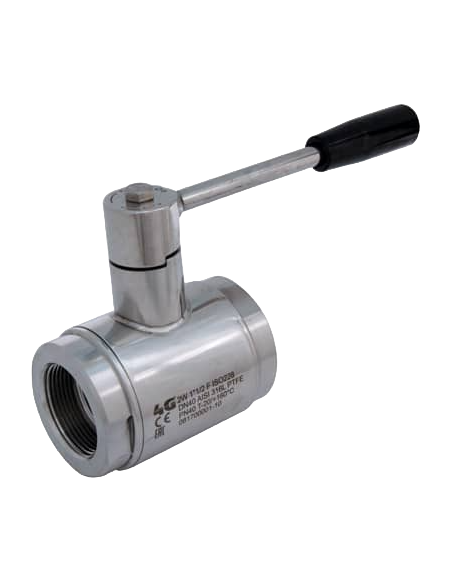
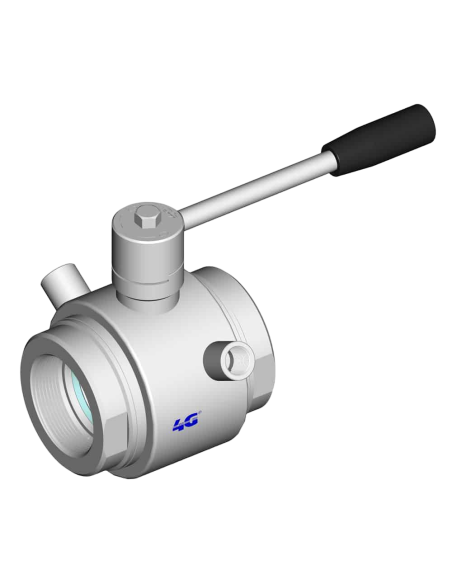
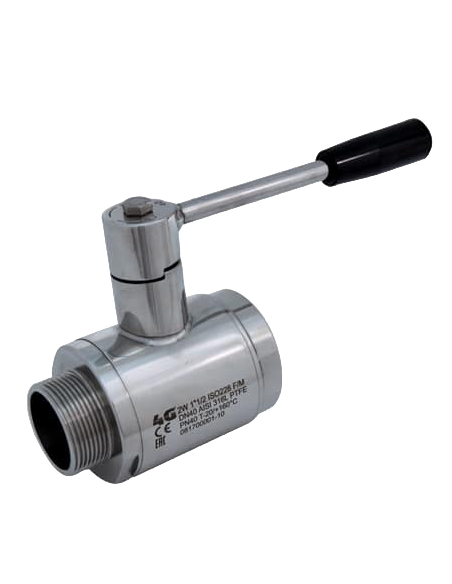
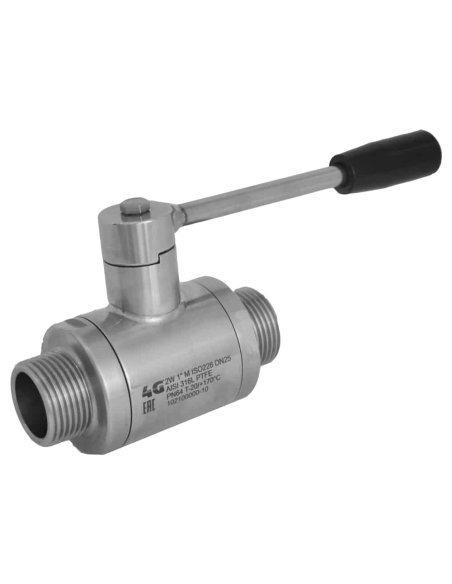
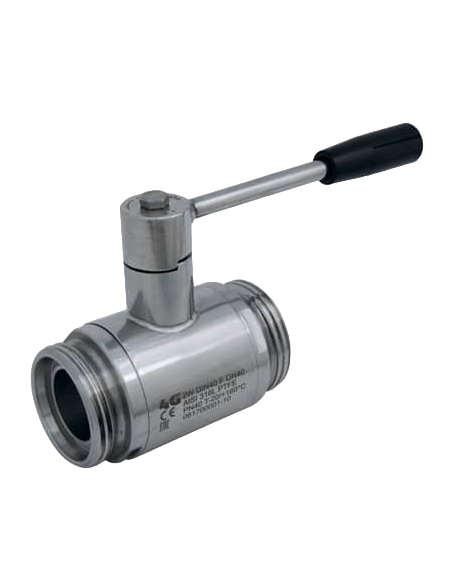
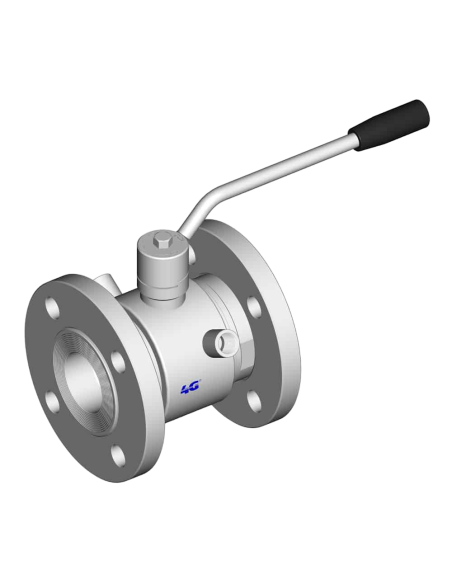
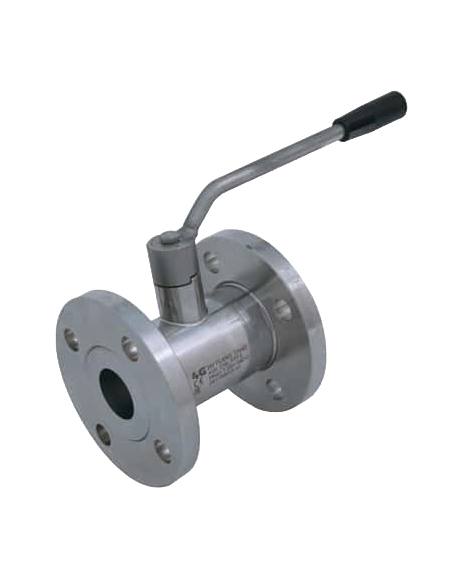
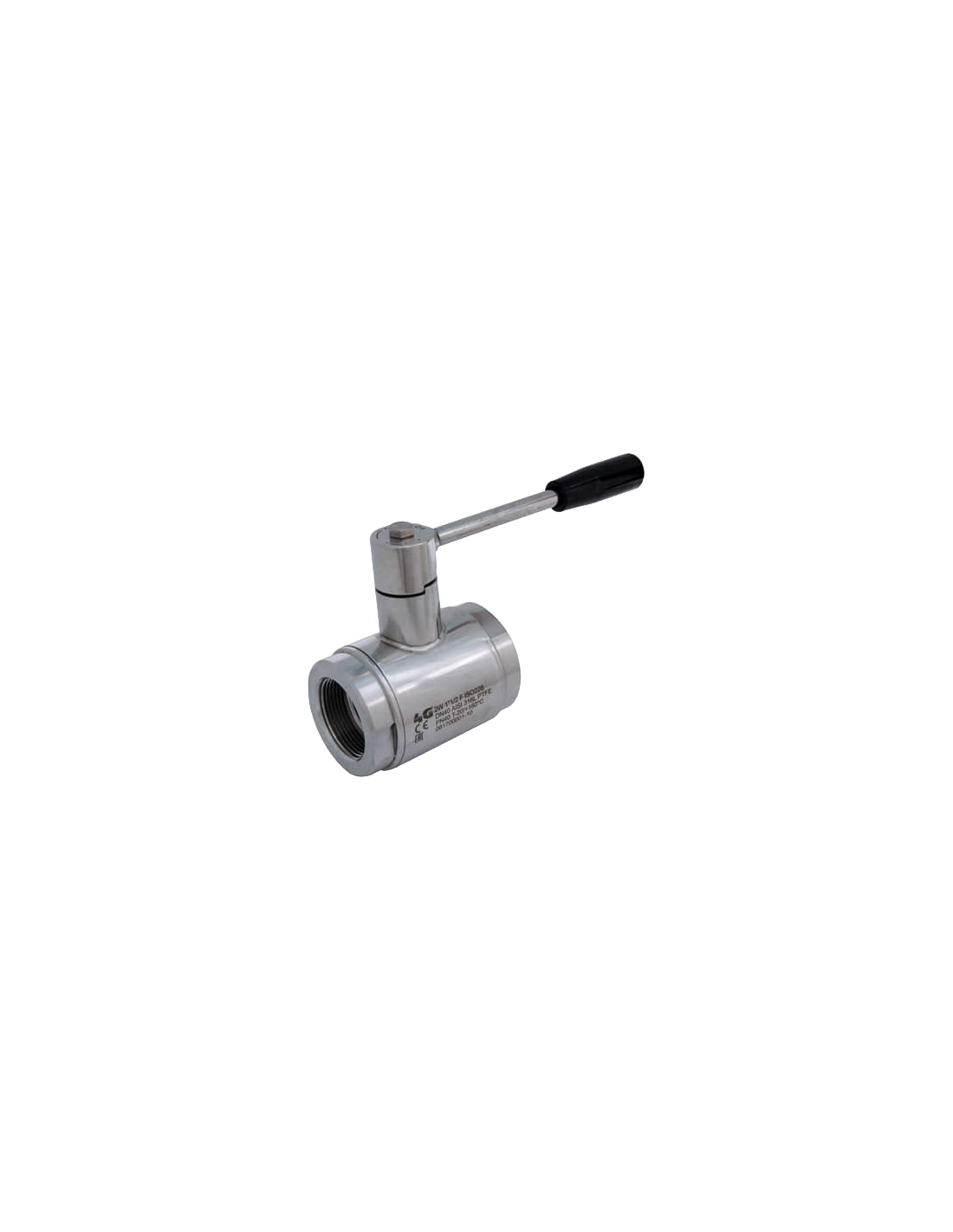
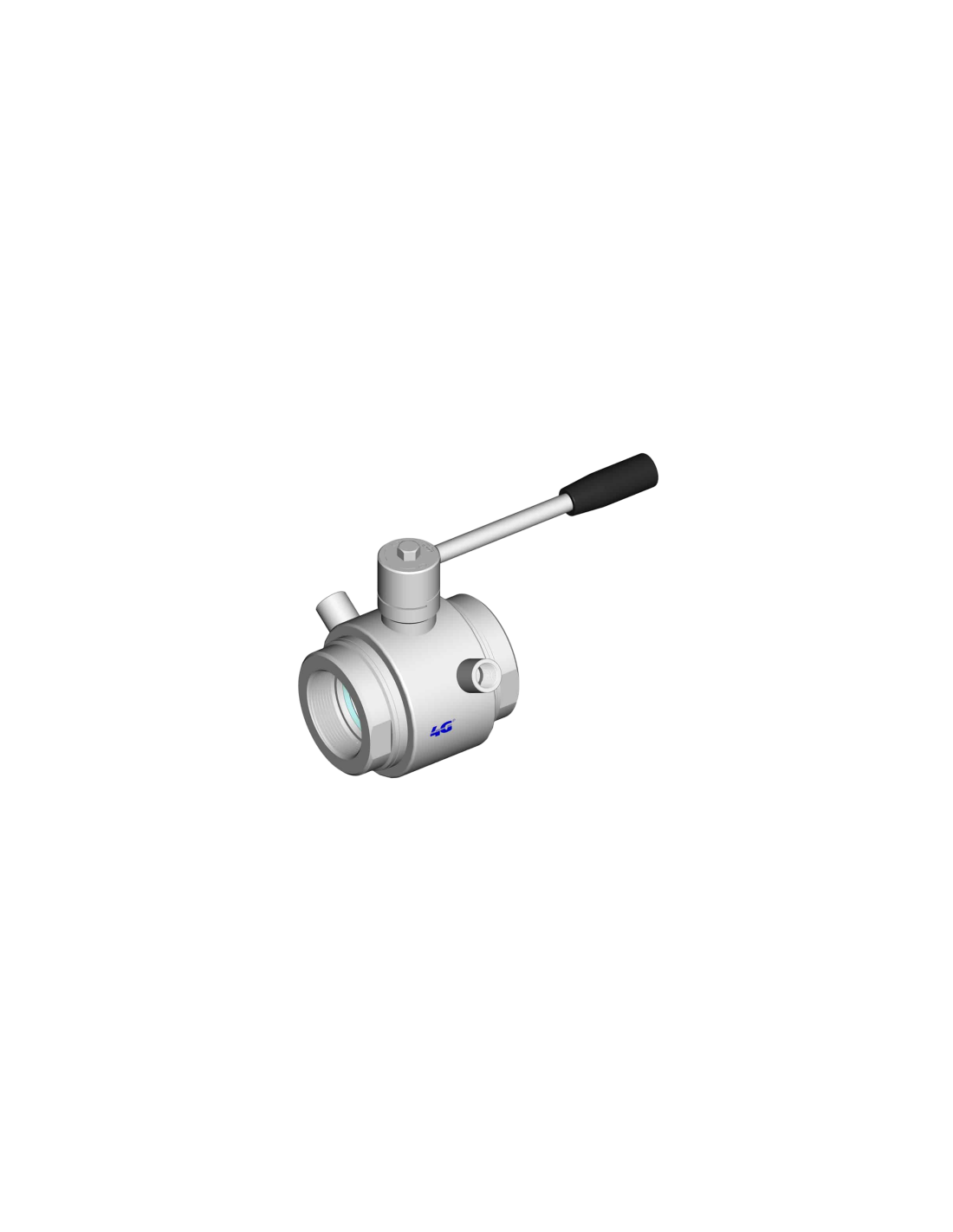
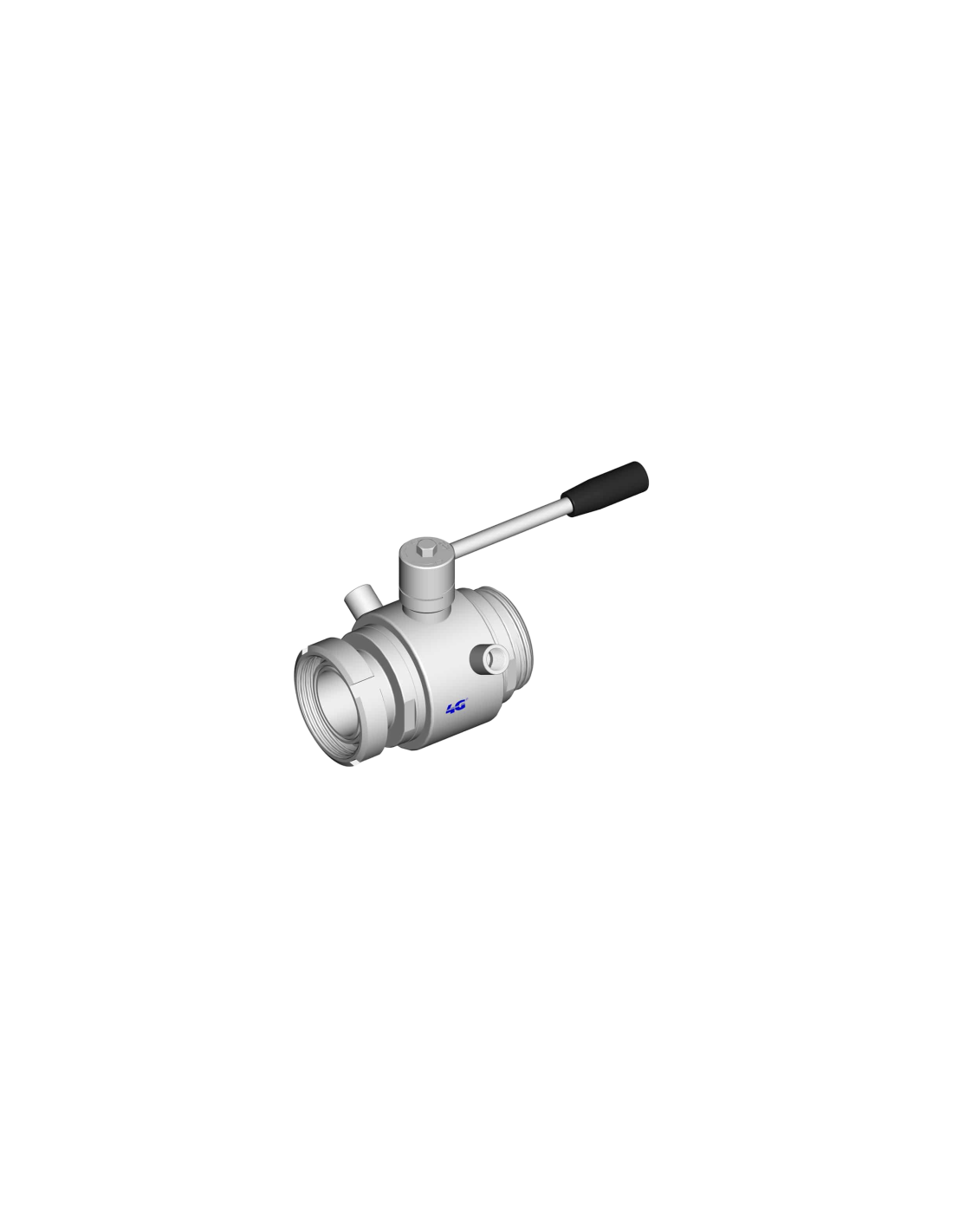
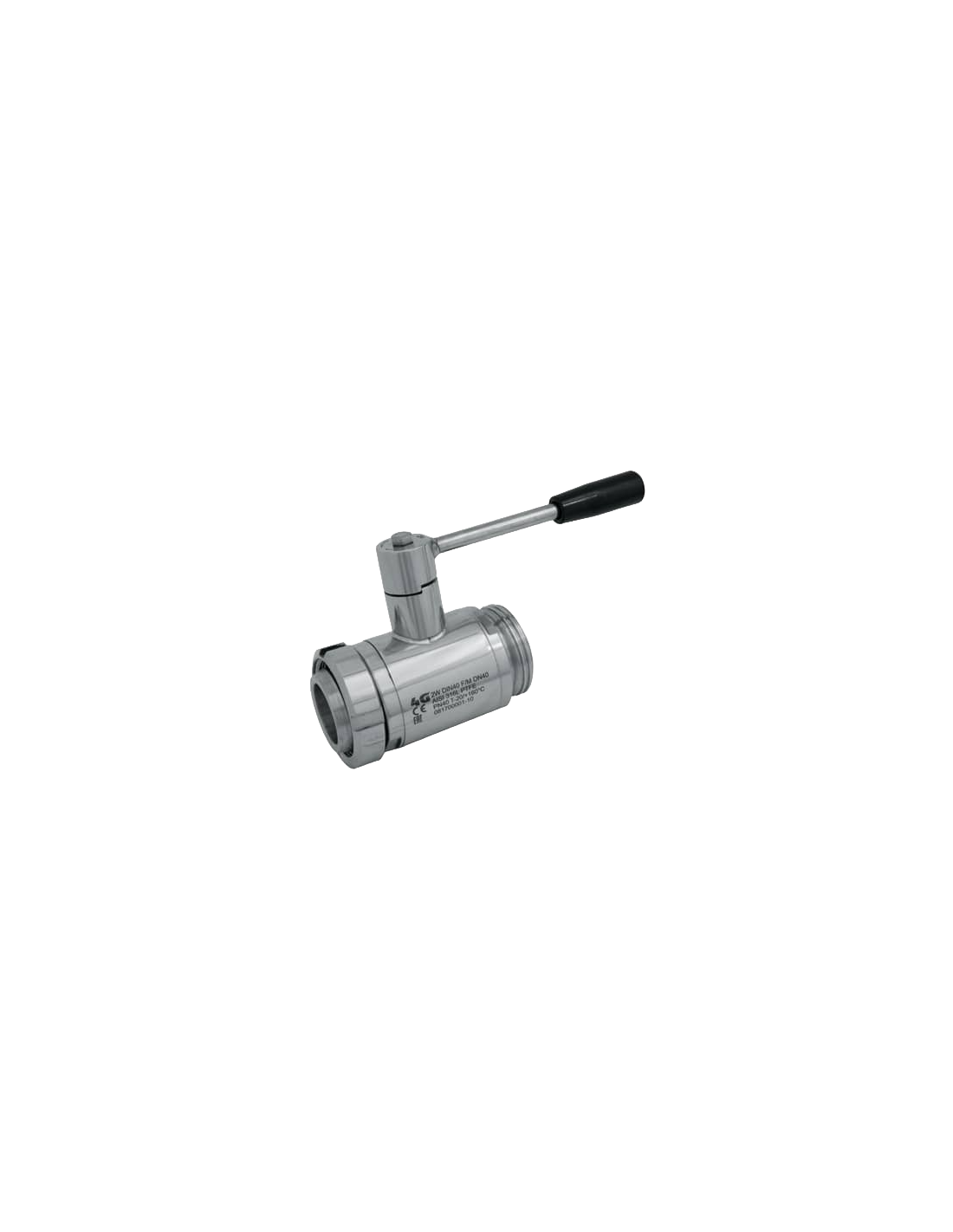
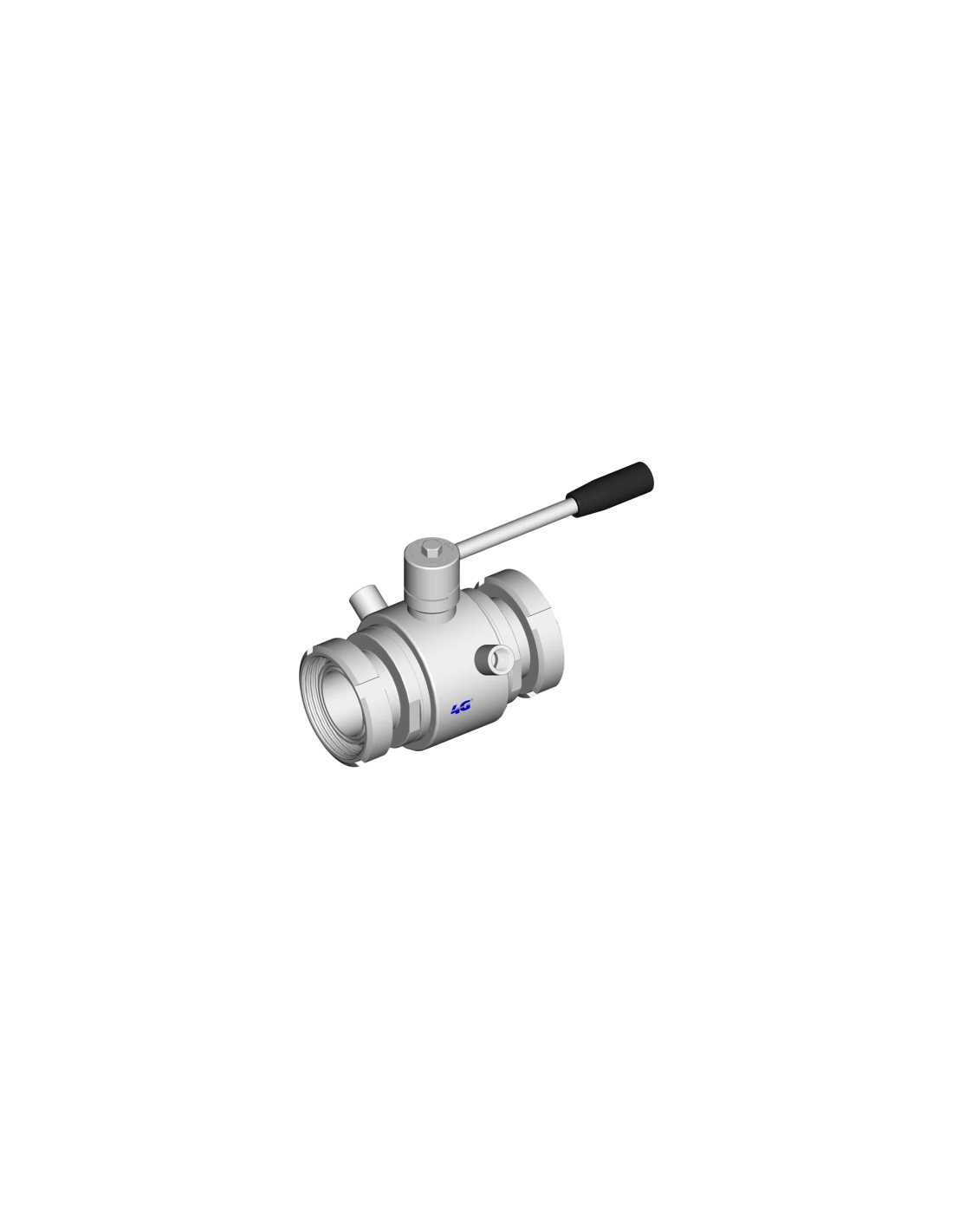
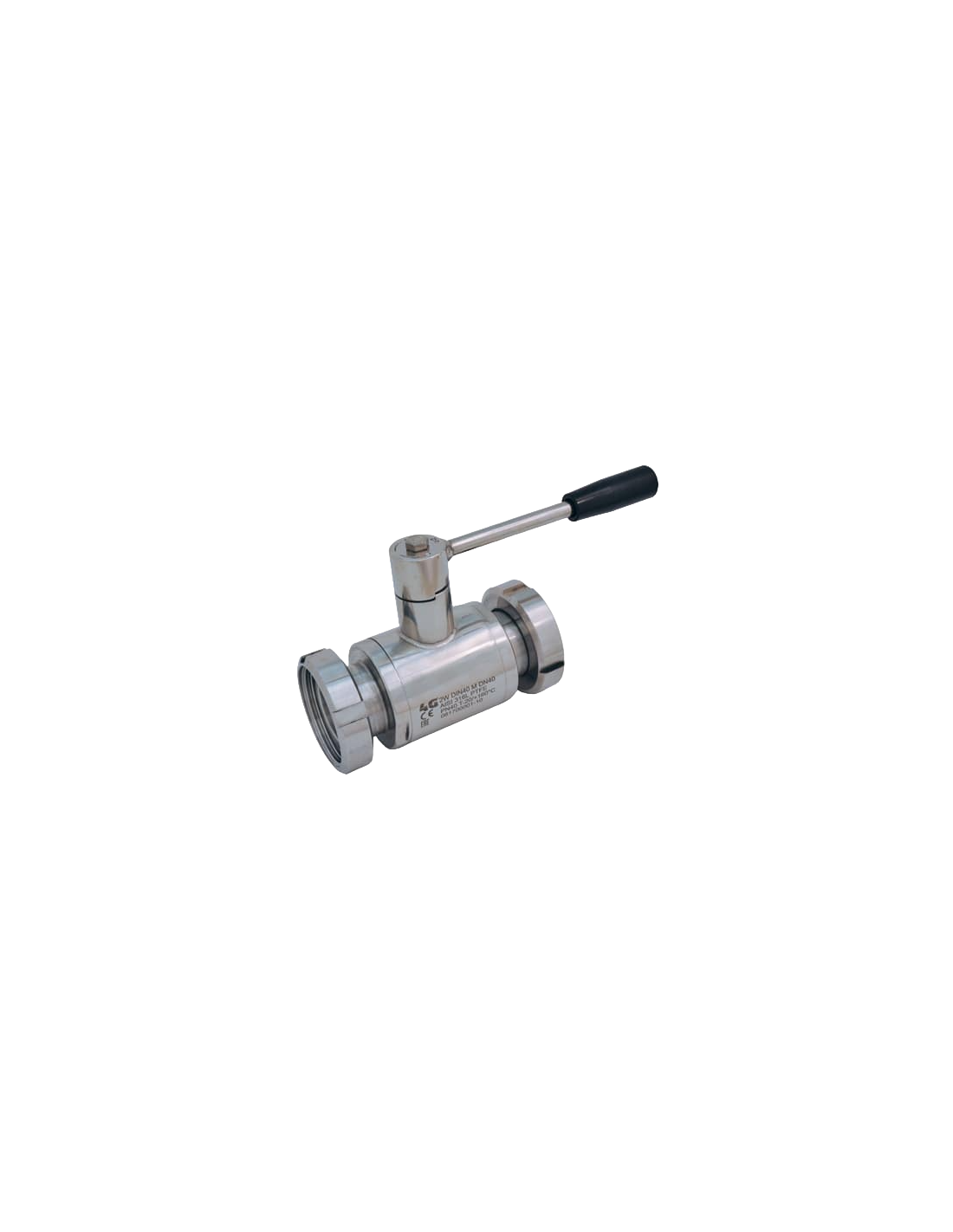
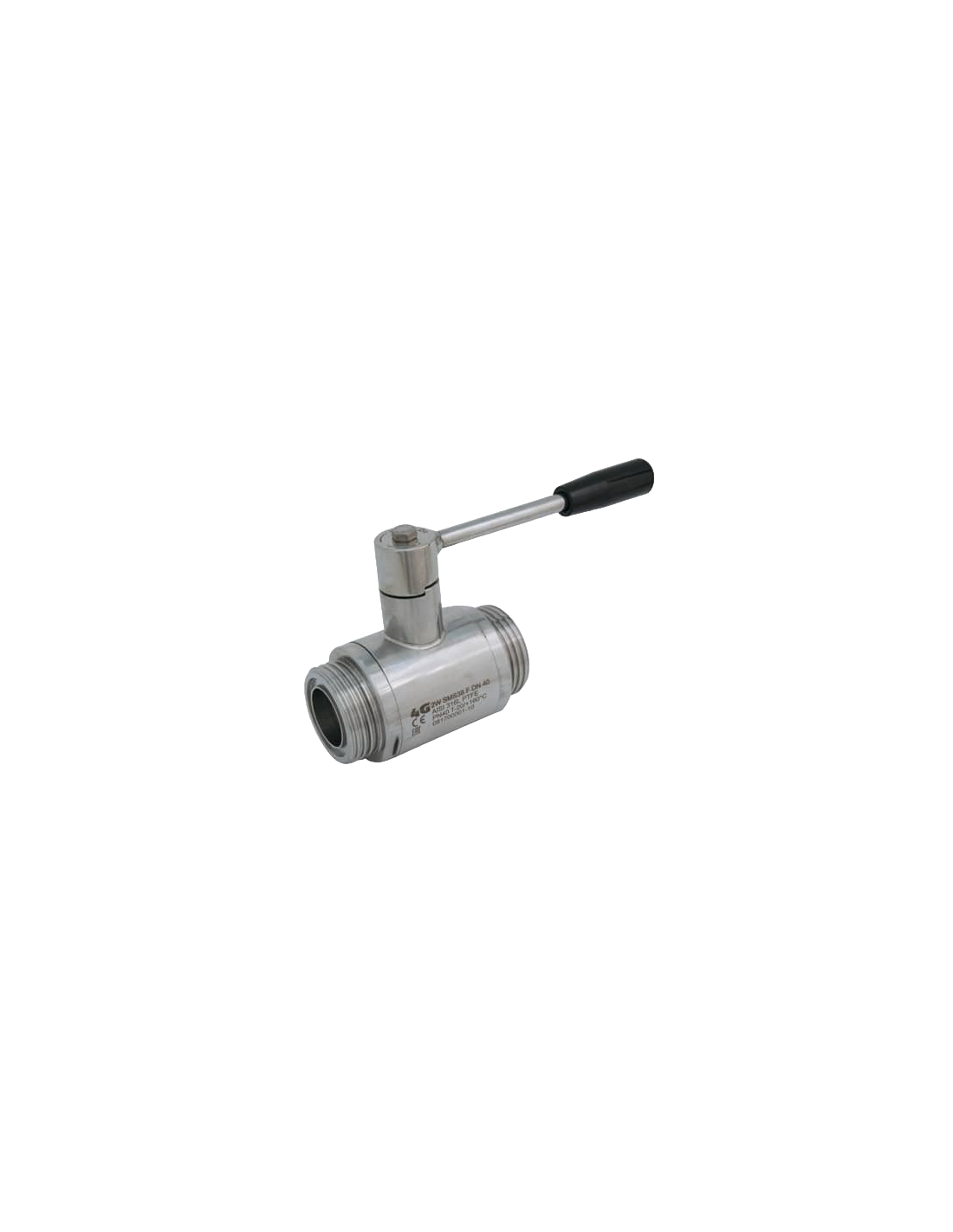
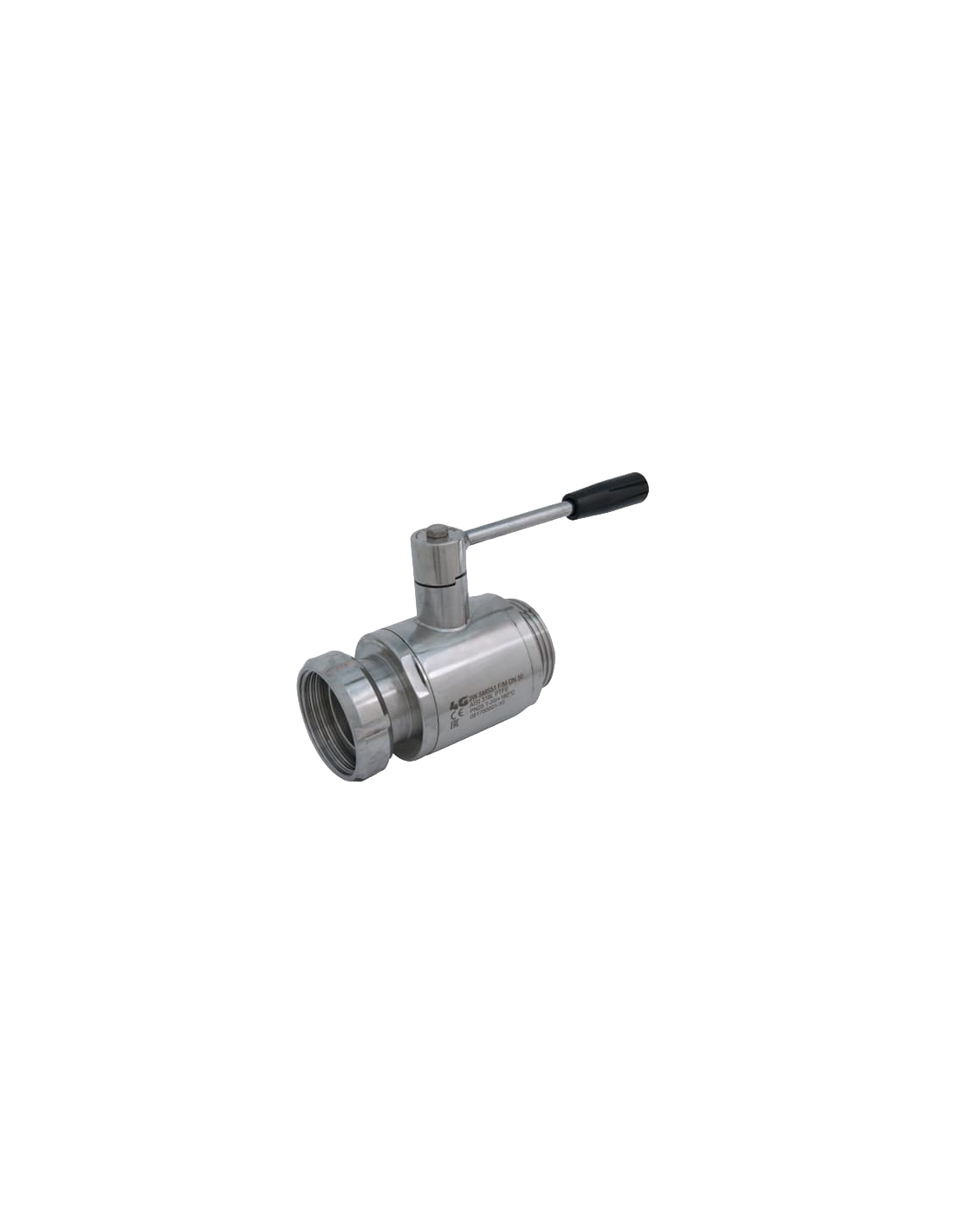
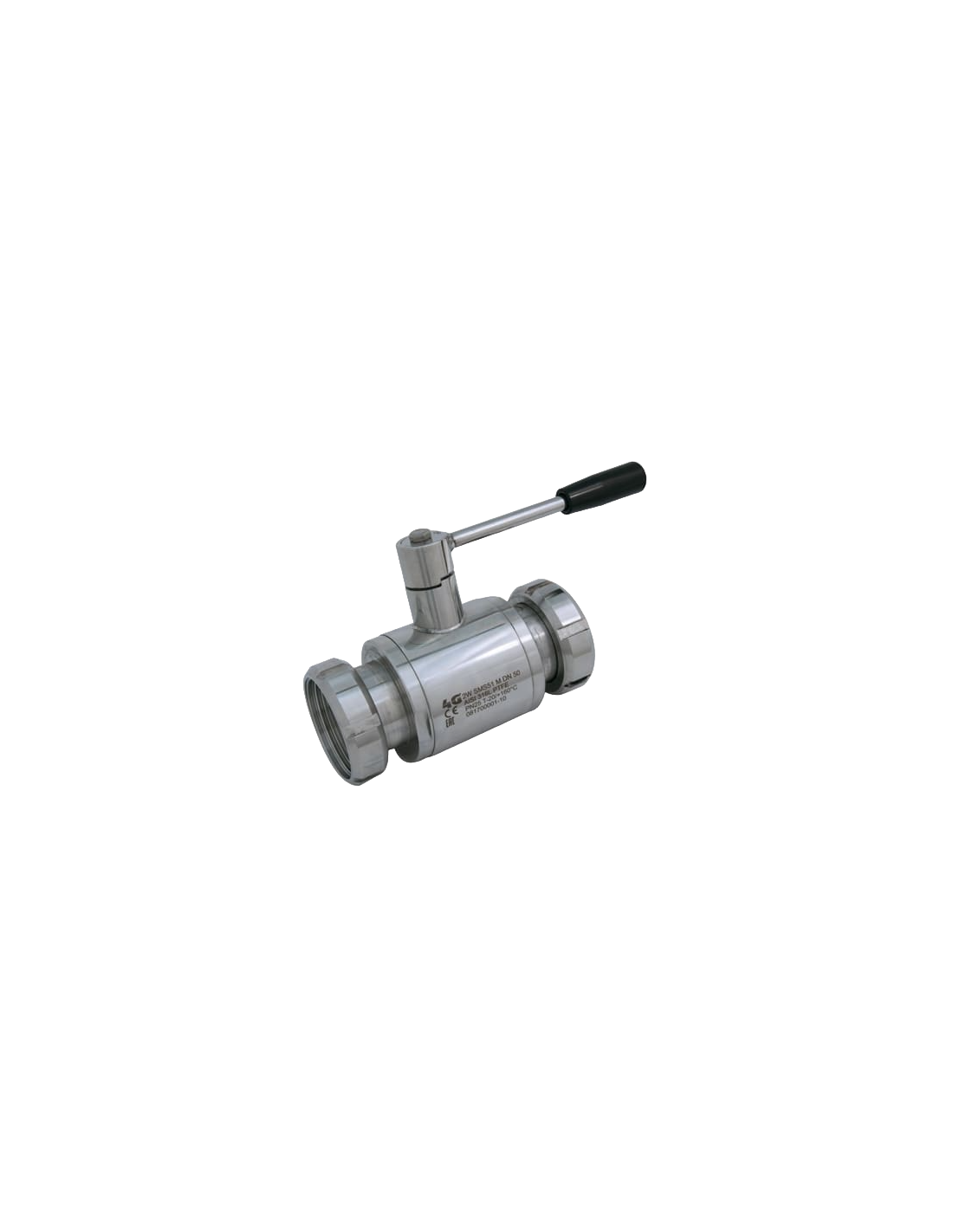
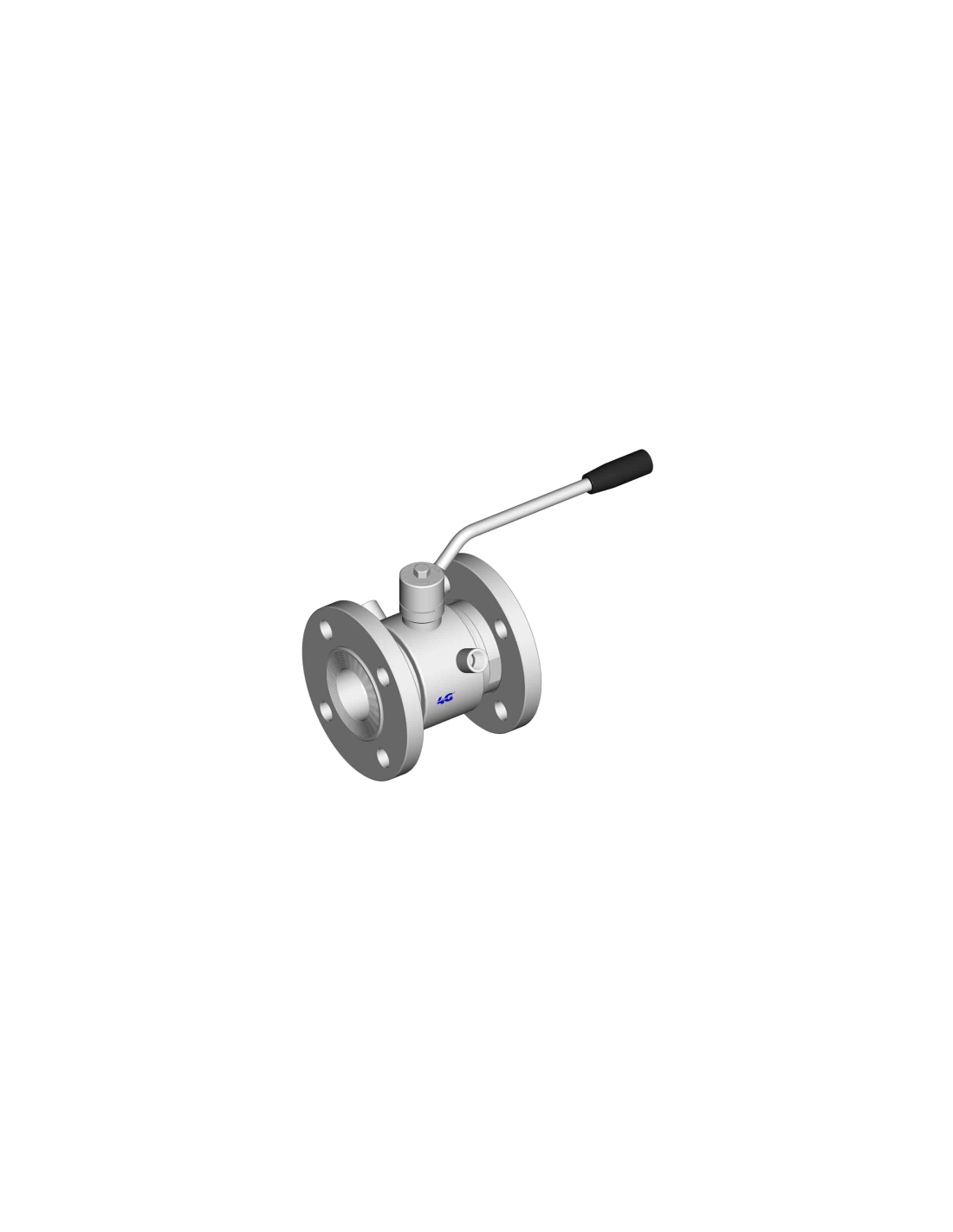
Type 1001 is a full-bore two-way ball valve used for on/off isolation in industrial liquid, gas and utility lines. It is manufactured in AISI 304L or AISI 316L stainless steel, in sizes from 1/4” to 4”, with manual operation by stainless steel lever as standard.

Technical data

  • Body material: stainless steel 304L or 316L
  • Flow passage: full bore, low pressure drop
  • Pressure rating: up to PN 100, depending on size and end connection
  • Operating temperature: -20°C to +170°C with standard seats
  • Seats: modified virgin PTFE
  • External finish: polished
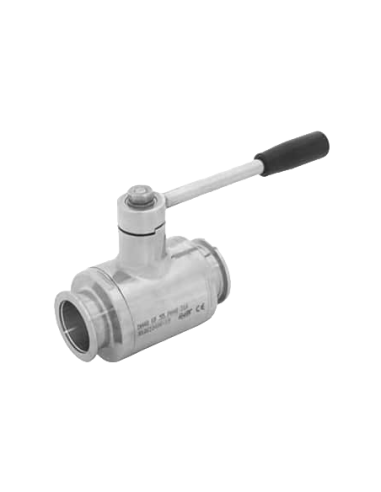
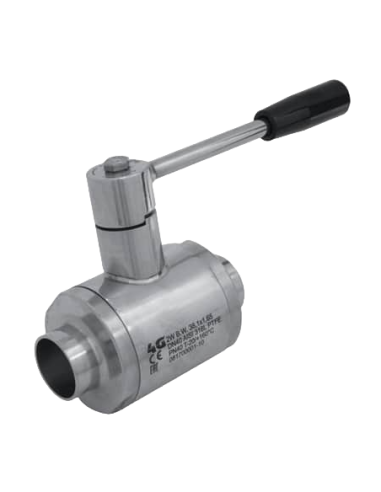
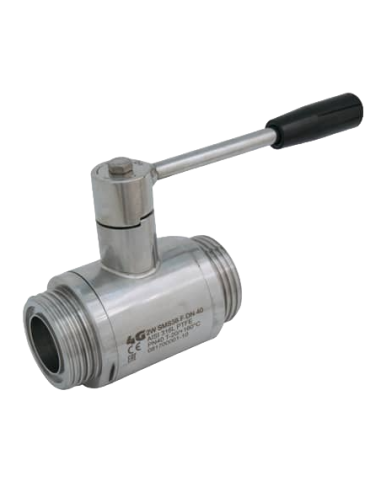
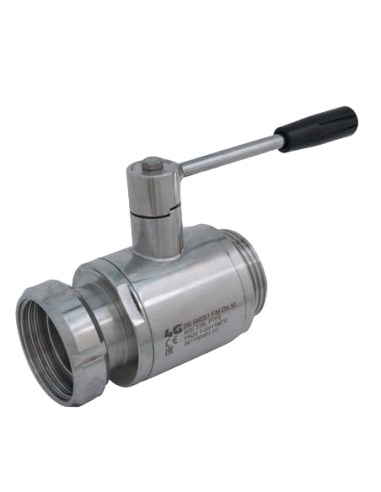
  • Connections: ISO 228, NPT, flanged, butt weld, clamp, DIN 11851, SMS, Garolla, KF

Seat and sealing options

Seat selection should be based on temperature, chemical compatibility, cleaning regime, operating frequency and allowable leakage risk.

  • Glass-filled PTFE: -20°C to +170°C
  • Carbon-graphite filled PTFE: up to +180°C
  • Stainless-steel filled PTFE: up to +200°C
  • UHMWPE: up to +80°C, for selected media and lower-temperature service

Variant selection

  • 304L: suitable for general water, air, inert gases and non-aggressive utility service.
  • 316L: preferred for chlorides, mildly corrosive fluids, food contact duties and higher hygiene requirements.
  • Threaded ends: compact installation and maintenance access in utility pipework.
  • Welded or hygienic ends: used where dead legs, external leakage points or cleaning requirements must be reduced.

Typical applications and media

The valve is used in CIP/SIP headers, process water, compressed air, low-duty steam, chemical solutions, food and beverage lines, pharmaceutical utilities and general stainless-steel process pipework. The full-bore design is suitable where pressure loss must be limited and where the valve is normally operated fully open or fully closed.

Actuation

Manual lever operation is standard. For automated isolation duties, actuator preparation may be specified where applicable for pneumatic or electric actuation, with position feedback or limit switches selected according to the control system and hazardous-area classification.

Standards and certifications

Available on request with antistatic execution for ATEX II 2G Ex h IIC T4 Gb / II 2D Ex h IIIC T135°C Db. MOCA CE 1935/2004 compliance is available for food-contact applications.

FAQ

When should 316L be selected?
For corrosive media, chloride exposure, food service or processes with stricter cleanliness requirements.

Is this a regulating valve?
No. It is intended mainly for isolation service, either fully open or fully closed.

Standard (Options)
  • DIN
Connection (Options)
  • NPT
  • Flanged
  • Butt Weld
  • Clamp
  • Garolla
  • KF
  • ISO 228 M/M
  • ISO 228 F/F
  • ISO 228 F/M
  • DIN 11851
  • DIN 11851 F/F
  • DIN 11851 F/M
  • SMS
Material (Options)
  • S.S. 304L
  • S.S. 316L
Pressure Rating (Options)
  • PN 100
Seat (Options)
  • PTFE + Fiber Glass
  • PTFE + Carbographite

Description

TWO-way ball valve

Drive: Inox lever

Flow: Full

Material: Aisi 304L (1.4307) – Aisi 316L (1.4404)

Measure: from 1/4” to 4”

Seals: Modified Virgin P.T.F.E.

Operating temperature: -20°C+170°C

Outer finish: Polished


On request:

Antistatic device ATEX:

II 2G Ex h IIC T4 Gb

II 2D Ex h IIIC T135°C Db

M.O.C.A. CE 1935/2004

• Seals made of:

PTFE with glass -20°C+170°C

PTFE with carbographite -20°C+180°C

PTFE with inox -20°C+200°C

UHMW High-molecular weight polyethylene -20°C+80°C