


Ball Valve - Type 37005 | Ibor Valves | Philippopoulos s.a.

Ball Valve - Type 37005 | Ibor Valves

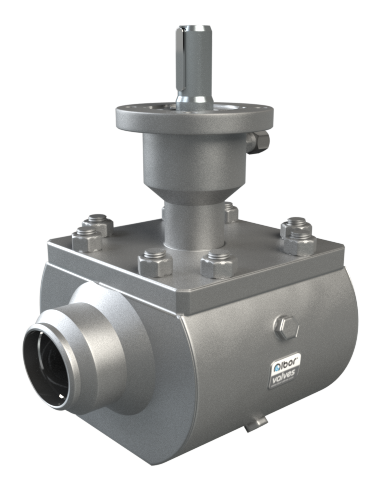
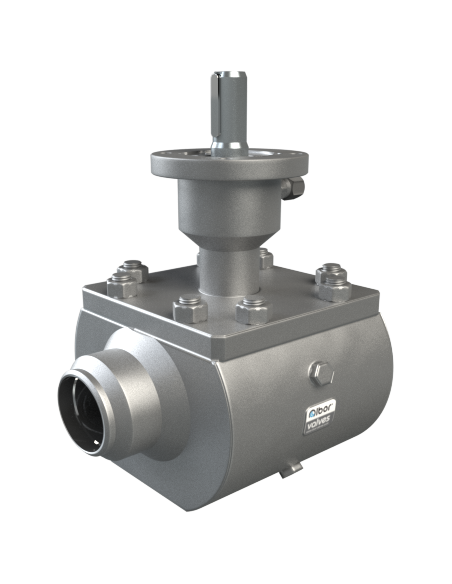
Ibor Type 37005 Ball Valve

The Ibor 37005 is a 2-way ball valve used for industrial flow isolation. The DIB configuration allows cavity sealing verification and maintenance intervention at the stem area through a stem sealing injector.

Seats and Sealing Arrangement

  • DIB I: double piston effect on both downstream and upstream seats.
  • DIB II: double piston effect downstream and single piston effect upstream.
  • Stem sealing injector for secondary sealing intervention during service.
  • Locking device for valve position control and maintenance safety.
  • Overlay on the seat area or on all wetted parts, depending on corrosion, erosion, and media compatibility requirements.

DIB I vs DIB II Selection

  • DIB I is selected when active sealing is required on both sides of the body cavity.
  • DIB II is used when the isolation philosophy requires different upstream and downstream seat behavior.
  • Cavity pressure management, leakage testing procedure, and maintenance philosophy should be defined before selection.

Additional Equipment

  • Nipple and needle valve for drain, vent, or sampling connections.
  • Heating jacket for maintaining medium temperature in viscous fluids or fluids with solidification risk.
  • Integral nipples in suitable executions for auxiliary connections.

End Connections and Standards

  • Flanged ends: ASME B16.5, GOST 12815-80, or EN 1092-1.
  • Butt-weld ends: ASME B16.25.
  • Pressure class, material grade, inspection certificates, PED, ATEX, or NACE requirements should be specified according to the project datasheet.

Typical Applications and Media

Typical service includes steam lines, hot water systems, thermal oil, hydrocarbons, process gases, and industrial utility headers. Selection depends on pressure class, operating temperature, fluid phase, corrosion allowance, cycling frequency, and leakage acceptance criteria.

Actuation Options

  • Manual lever or gearbox operation for local isolation duty.
  • Pneumatic, electric, or hydraulic actuator for remote operation, ESD service, or interlocked process control.
  • Limit switches, solenoid valves, positioners, and local position indication may be specified when required.

FAQ

When is a heating jacket required?
It is considered for high-viscosity media, waxy hydrocarbons, bitumen-like fluids, or services where cooling can cause crystallization or solidification.

Why use a stem sealing injector?
It provides a means of secondary sealing intervention at the stem packing area without immediate valve removal from the line.

What should be confirmed before procurement?
End connection standard, pressure class, body and trim materials, seat configuration, operating temperature, media composition, actuator type, and required testing documentation.

Description

Seat design

  • Double piston effect downstream & upstream – DIB I
  • Double piston effect downstream & single piston effect upstream – DIB II

Stem

  • Stem sealing injector
  • Locking device

Others

  • Nipple & Needle
  • Overlay on seat area or on all wetted parts
  • Heating jacket

Connections

Flanged End: ASME B16.5 / GOST 12815-80 / EN 1092.1

Butt Weld End: ASME B16.25

**integral nipples and available

Others

Design & Certification

Normative: ANSI / DIN

Design: API 6D / ISO 14313

Face to Face: ASME B16.10 / EN 558.1 Serie 27

Top Flange: ISO 5211

Press-Temp Ratings & Thickness: ASME B16.34

Test: API 6D / API 598 / EN 12266-1

Pressure Equipment Directive: PED 2014/68/EU Mod. H1

Equipment Directive: ATEX 94/9/EC

Fugitive Emissions: Class”A” acc.to ISO 15484-2

Safety integrity level: Sil 2 acc.to IEC 61508

Material: NACE MR0175 Lastest Edition

Certification:EN 10204 type 2.1, 3.1, (3.2 upon request)