


Ball Valve wafer - Type FB2 | ADLER | Philippopoulos s.a.

Ball Valve wafer - Type FB2 | ADLER

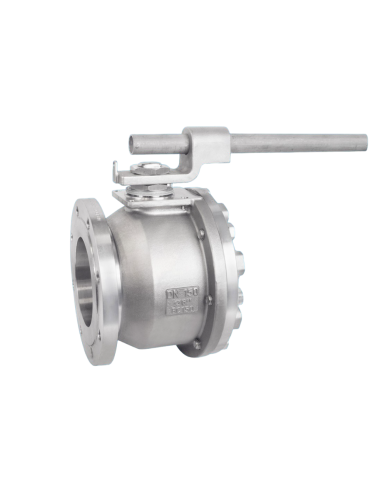
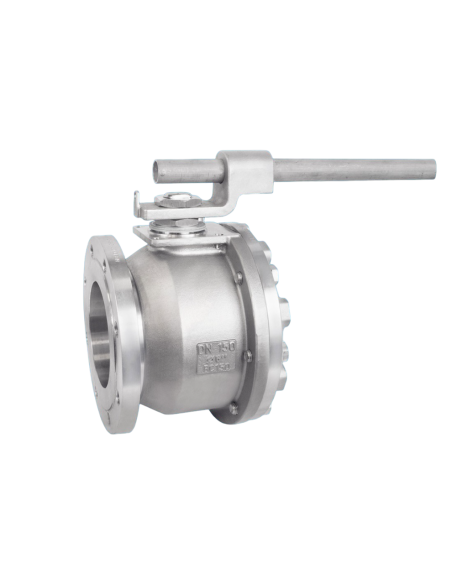
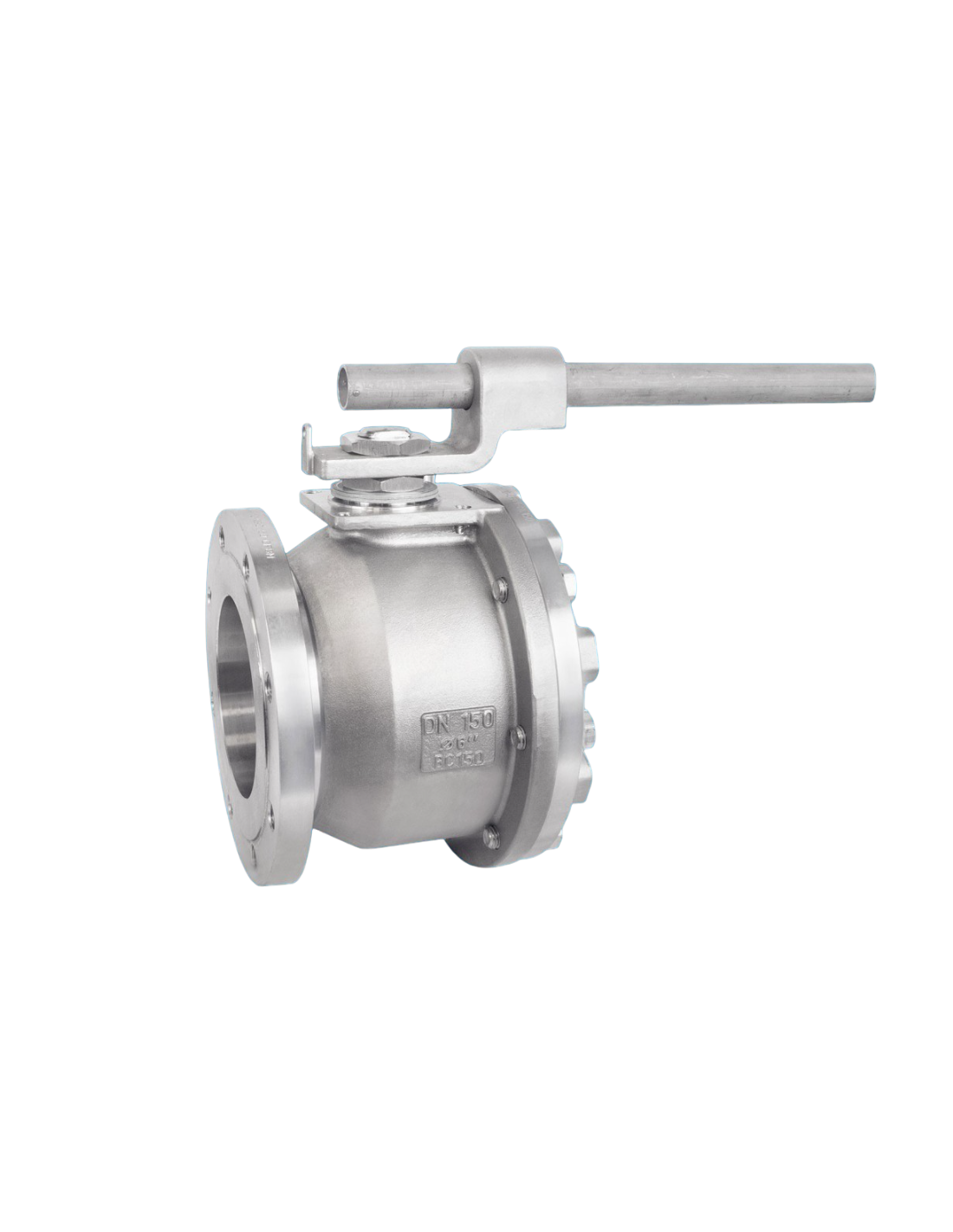
ADLER FB2 Wafer Full-Bore Ball Valve

The ADLER FB2 is a full-bore wafer-type ball valve for installation between DIN or ANSI flanges. It is used as an isolation valve in steam, water, compressed air and industrial fluid lines, subject to compatibility with the body, ball, stem and seat materials.

Technical Data

  • Nominal sizes: DN15–DN300
  • Pressure classes: PN16–PN160 / ANSI 150–ANSI 1500
  • Common page selections: PN10, PN16, PN25, PN40
  • Body materials: ASTM A351 CF8 or ASTM A351 CF8M
  • Seats: PTFE or reinforced PTFE RPTFE
  • Connection: wafer, mounted between flanges
  • Flange standards: DIN / EN or ANSI / ASME, depending on variant
  • Automation: pneumatic or electric actuator for quarter-turn on/off service

Operating Behaviour

The full-bore design limits pressure drop when the valve is fully open and is suitable where line bore continuity is required. The wafer body reduces installed length but requires correct flange alignment and controlled bolt tightening to avoid body distortion, seat compression issues or increased operating torque.

Suitable Media

  • Saturated or process steam, within the seat temperature limits
  • Water and treated water circuits
  • Compressed air and neutral gases
  • Compatible industrial liquids
  • Corrosive gases or liquids only after verification against CF8/CF8M and PTFE/RPTFE compatibility

Seat Selection

  • PTFE: used for clean fluids, moderate cycling and low particulate load.
  • RPTFE: selected where higher seat strength, pressure loading, cycling duty or minor mechanical loading from the fluid is expected.

Seat material affects allowable temperature, leakage behaviour, breakaway torque and service life. Final selection should consider pressure, temperature, differential pressure, cycling frequency and fluid cleanliness.

Automation and Control Interfaces

The FB2 can be supplied with a pneumatic or electric actuator for on/off control from PLC, DCS or BMS systems. Actuator sizing should be based on DN, pressure class, differential pressure, seat material, breakaway torque, required cycle time and fail-safe position.

Typical Industrial Use Cases

  • Steam distribution isolation
  • HVAC plant rooms and energy centres
  • Compressed air headers
  • Utility water and process water lines
  • Skid-mounted process systems requiring compact flange-to-flange installation

Standards and Installation Notes

Flange compatibility should be checked against the specified DIN/EN or ANSI/ASME pressure class. Gasket type, bolt length and tightening sequence are critical for wafer valves. The valve should not be used to correct pipe misalignment.

FAQ

  • Is the FB2 suitable for throttling? It is primarily an isolation valve. Continuous throttling can increase seat wear and torque.
  • Can it be automated? Yes, with pneumatic or electric quarter-turn actuators and suitable limit switches or position feedback.
  • Which body material should be selected? CF8 is commonly used for general stainless service; CF8M is preferred where molybdenum-bearing stainless steel is required for improved corrosion resistance.
Standard (Options)
  • DIN
  • ANSI
Connection (Options)
  • Flanged
Material (Options)
  • ASTM A351 CF8
  • ASTM A351 CF8M
Pressure Rating (Options)
  • PN 10
  • PN 16
  • PN 25
  • PN 40
Seat (Options)
  • PTFE
  • RPTFE

Datasheet and documents

Description

Ball valve “wafer type” full bore, manufactured from casting, according to EN 12516.2; ASME B16.34; ISO 14313; EN 1092-1; EN1759-1; ASME B16.5 ANSI B1.1.: ISO 14313; EN 558 ( basic series EN 100 )

Available size from DN 150 to DN 200 in stainless steel.

Rating PN 10 ÷ 40 / ANSI 150 ÷ 300.

Double seals on body/end junction (patent n°00216919)

Chevron ring on stem.

On request :

– with o’ring on stem (patent n°00219688).

– fire-safe execution according to ISO 10497 API 607

– fire safe execution BS6755 API 607/6FA (patent n° 00219617)

– according to PED 14/68/UE directive

– according to TPED 2010/35/UE directive

– according to ATEX14/34/UE directive

– degrease according to ISO 23208 oxige service

– certified in safety system S.I.L. 3.

– certified for fugitive emission in class “A” ISO 15848.Available with o’ring on stem (patent n°00219688).

Standard productions

anti blow out proof stem

construction and marking BS 5351

carbon steel valves painted with first coat of epoxy-polyammidic RAL 5012 35 microns

antistatic device BS5146/74

top flange ISO 5211

all valves 100% air tested under water at 100 psi

On demand accessories

PTFE / glass renforced PTFE half shell

PTFE seats filled glass – carbon – S.S. – bronze, metal core

stem extension

cryogenic extension

oval handle

pneumatic actuator double/single acting

electric actuator

manual gear box

pneumatic/electro-pneumatic positioner

Certificates

– certified in safety system S.I.L. 3.

– certified for fugitive emission in class “A” ISO 15848.Available with o’ring on stem (patent n°00219688).

– ISO 9001 by L.R.

– PED DIR. 2014/68/UE by L.R.

– ATEX DIR. 2014/34/UE by B.V.

– FIRE SAFE EXECUTION BS6755/API 607 by L.R.

– FIRE SAFE TESTED ISO 10497 by L.R.

– ISO 15848 by TÜV

– ANTISTATIC DEVICE by L.R.

– EAC CERTIFICATION by B.V.