


Ball Valve - Type 13000 | Ibor Valves | Philippopoulos s.a.

Ball Valve - Type 13000 | Ibor Valves

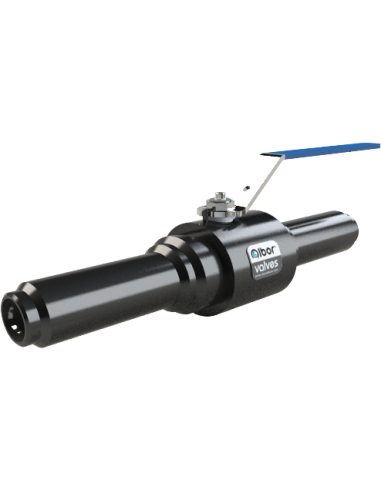
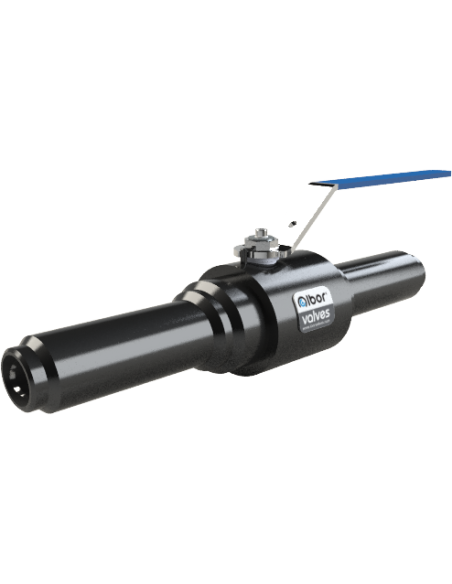
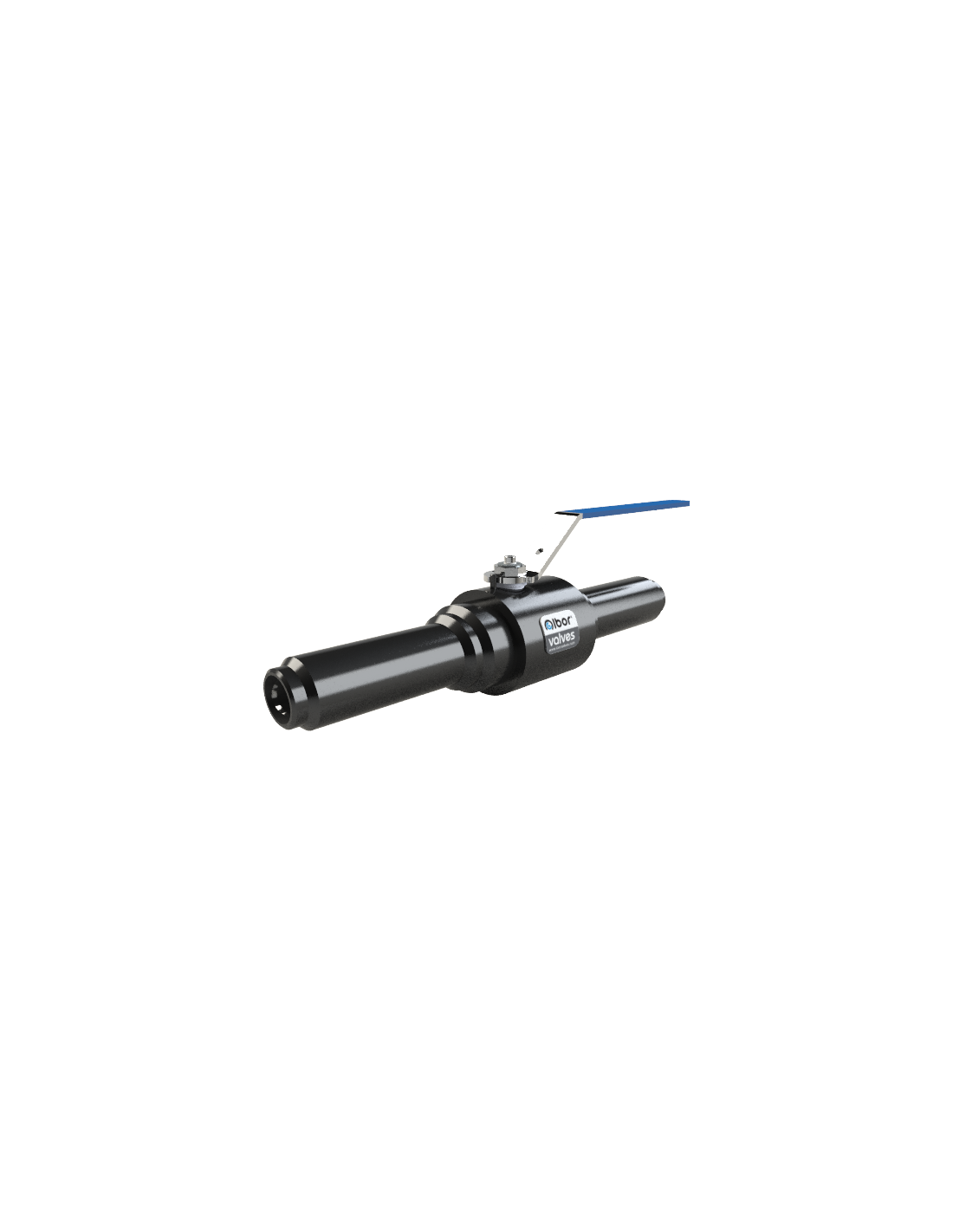
Ibor Type 13000 Ball Valve

The Ibor 13000 is a 2-way ball valve used for on/off isolation in industrial liquid and gas services. Selection should be based on process medium, pipe connection, design pressure, operating temperature, seat material, leakage class, and maintenance requirements.

Construction and Sealing

The valve can be specified with:

  • self-relieving seats to relieve trapped cavity pressure from the ball cavity
  • metal-to-metal seats for services with elevated temperature, suspended solids, erosion risk, or contaminated media
  • locking arrangement on the operating stem
  • drain plug for cavity draining, depressurisation, or maintenance preparation
  • coating on the seat area or on all wetted parts, depending on corrosion and wear requirements

Pipe Connections

Available end connection variants include:

  • Socket Weld ends to ASME B16.11
  • Butt Weld ends to ASME B16.25
  • NPT threaded ends to ASME B1.20.1
  • BSPP or BSPT threaded ends to BS 21

Welded-end versions are normally used in permanent process piping where joint integrity and reduced leakage paths are required. Threaded versions are typically used in auxiliary systems, skid packages, vents, drains, and smaller bore utility lines.

Suitable Media and Operating Conditions

  • steam, condensate, water, compressed air, nitrogen, and process gases
  • clean liquids and gases where tight shut-off is required according to the project test standard
  • dirty or particle-containing services when metal seats and suitable coatings are specified
  • temperature and pressure limits to be verified from the valve datasheet, body material, seat design, and applicable pressure class

Variant Selection

  • Soft-seated execution: used for clean media where low leakage is the primary requirement.
  • Metal-seated execution: selected for higher temperature, abrasive service, or cases where polymer seats are not compatible with the medium.
  • Socket Weld or Butt Weld: preferred for permanent welded piping.
  • NPT, BSPP, or BSPT: used for instrument lines, drains, vents, and compact utility connections.

Actuation Options

The valve is commonly supplied with manual lever operation. For remote operation or interlocked isolation duties, the selection may include gearbox, pneumatic actuator, or electric actuator, subject to valve torque, cycling frequency, fail position, area classification, and control system interface.

Typical Applications

  • isolation of steam, water, air, and process gas lines
  • industrial utility systems in process plants
  • drain, bypass, vent, and sampling lines
  • power plants, petrochemical units, refineries, and packaged skids
  • maintenance isolation upstream of equipment, strainers, instruments, and branch connections

Standards and Documentation

Connection standards may include ASME B16.11, ASME B16.25, ASME B1.20.1, and BS 21. Material certificates, pressure test records, PED compliance, ATEX suitability, and coating documentation should be confirmed against the project specification and purchase order requirements.

FAQ

Is the valve used for flow control?
Not as its primary function. A ball valve is mainly intended for fully open or fully closed operation. Throttling service should be reviewed carefully because partial opening can increase seat wear, noise, and erosion.

Why is a drain plug provided?
The drain plug allows draining, venting, or depressurising the valve cavity before maintenance or before opening the line.

Description

Seat design

  • Self-relieving seat (cavity relief)
  • Metal to metal seats

Stem

  • Locking device

Others

  • Drain plug
  • Overlay on seat area or on all wetted parts

Connections

Socket Weld End: ASME B16.11

**integral nipples and available

Butt Weld End: ASME B16.25

**integral nipples and available

Threaded NPT End: ASME B1.20.1

Threaded BSPP OR BSPT: BS21

Others

Design & Certification

Normative: ANSI / DIN

Design: ISO 17292

Face to Face: Manufacture

Press-Temp Ratings & Thickness: ASME B16.34

Test: API 598 / EN 12266-1

Pressure Equipment Directive: PED 2014/68/EU Mod. H1

Equipment Directive: ATEX 94/9/EC

Fire Safe: API 6FA / API 607 / ISO 10497-2

Fugitive Emissions: Class”A” acc.to ISO 15484-2

Safety integrity level: Sil 2 acc.to IEC 61508

Material: NACE MR0175 Lastest Edition

Certification:EN 10204 type 3.1, (3.2 upon request)