


Ball valve Class 800/1500 - Type 400/41500 | JC | Philippopoulos s.a.

Ball valve Class 800/1500 - Type 400/41500 | JC

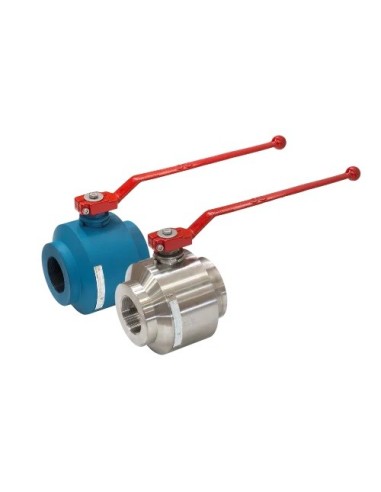
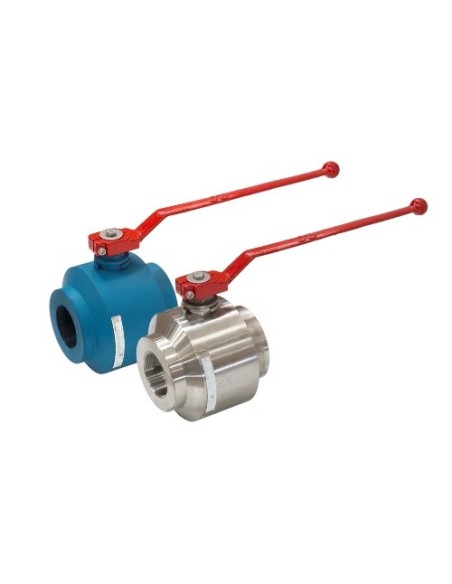
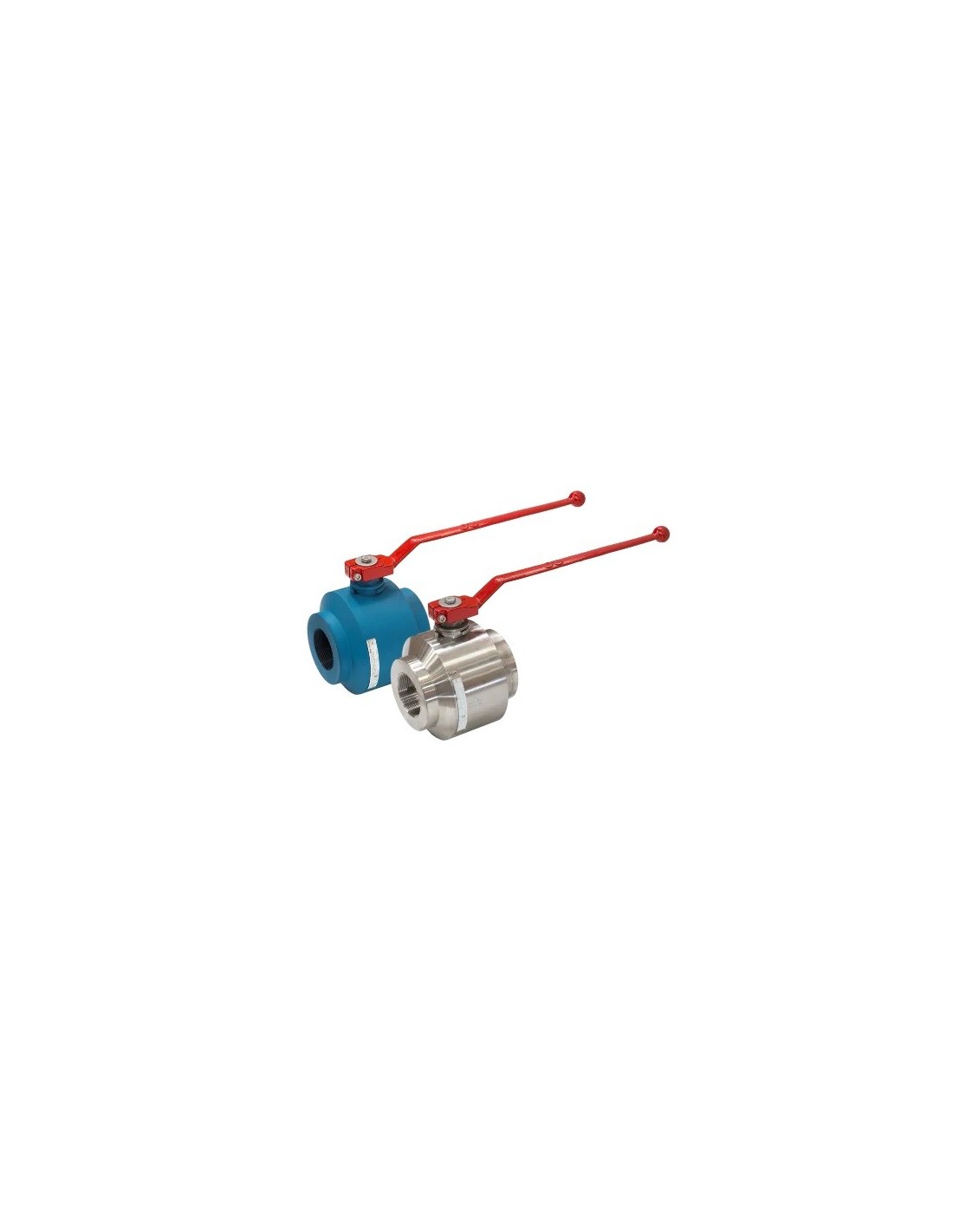
JC Type 400/41500 Class 800/1500 Ball Valve

Two-way monoblock ball valve with welded body construction and full bore flow path for high-pressure process lines. Available with BSP, NPT, socket weld or butt weld ends. Pressure classes are Class 800 and Class 1500. Body materials include ASTM A105N, ASTM A352 LF2 and ASTM A479 Type 316. Standard seat material is 25% glass-filled PTFE.

Construction

  • Full bore port for low pressure drop and pigging-compatible layouts where applicable
  • Blowout-proof stem design
  • Non-removable antistatic device
  • Cavity pressure equalisation hole
  • Live-loaded stem packing for reduced packing relaxation
  • ANSI-based design and pressure class designation

Standards and Certifications

Typical compliance includes PED, MSS SP 55, NACE MR0175 / ISO 15156, NACE MR0103 / ISO 17945, Fire-Safe API 607 / ISO 10497 / API 6FA, ISO 15848 / TA-LUFT, ATEX and SIL 3 IEC 61508, subject to valve configuration and documentation package.

Materials and Sealing

  • ASTM A105N: carbon steel for general hydrocarbon and utility service.
  • ASTM A352 LF2: low-temperature carbon steel for cold service within its qualified range.
  • ASTM A479 Type 316: stainless steel for corrosive media and compatible chemical duties.
  • 25% G.F. PTFE seat: check temperature, differential pressure and chemical compatibility against the manufacturer pressure-temperature chart.

End Connection Selection

  • BSP / NPT: compact threaded connections for small-bore lines, auxiliary circuits and instrument services.
  • Socket weld: preferred for small-bore permanent pipework where threaded leakage paths are not acceptable.
  • Butt weld: used on welded process lines where full pipe continuity and inspection practices are required.

Class 800 vs Class 1500

Class 1500 is selected where design pressure, pressure surges or temperature derating exceed the allowable envelope of Class 800. Final selection should be based on ASME pressure-temperature ratings, seat limits, corrosion allowance and plant piping specification.

Typical Applications and Media

Suitable for oil and gas, chemical and petrochemical units, power generation, marine systems, mining, waste treatment, pulp and paper, food and pharmaceutical utilities, and selected special fluids. Typical media include hydrocarbons, fuel gas, nitrogen, water, steam utilities where seat limits allow, solvents and compatible chemicals.

Actuation and Operation

Manual lever operation is common for on-off service. Pneumatic or electric actuation may be specified where remote operation, interlocking, emergency shutdown or automated sequencing is required. Actuator sizing shall consider break torque, differential pressure, media condition and safety factor.

Selection Notes

The full bore reduces permanent pressure loss in process lines. Fire-safe, fugitive-emission, sour-service and ATEX requirements should be stated at enquiry stage. Maintenance review should include stem packing access, seat leakage class, end connection inspection and isolation philosophy.

FAQ

  • Is it a control valve? No. It is primarily an isolation valve; throttling service can damage seats.
  • Can it be used for sour gas? Only when the selected materials and certification meet NACE requirements.
  • What limits the temperature? The seat, packing, body material and pressure class rating all define the allowable operating envelope.
Standard (Options)
  • ANSI
Connection (Options)
  • BSP
  • NPT
  • Socket Weld
  • Butt Weld
Material (Options)
  • ASTM A105N
  • ASTM A352 LF2
  • ASTM A479 Type 316
Pressure Rating (Options)
  • 800 lbs
  • 1500 lbs
Seat (Options)
  • 25% G.F. PTFE

Description

PRODUCT FEATURES

Monoblock, Welded body, Full bore

Blowout-proof stem

Non-removable antistatic devices

Cavity pressure balancing hole

Live Loaded Packing

STANDARDS

PED

Quality Standard MSS SP 55

All wetted component materials meet NACE MR0175 / ISO15156 & NACE MR0103 / ISO17945

Fire-Safe API 607, ISO 10497, API 6FA

Fugitive Emissions : ISO 15848 / TA-LUFT

ATEX

INDUSTRIES

Oil & Gas

Chemical & Petrochemical

Pulp & Paper

Energy & Renewable

Food & Pharma

Marine

Mining

Waste treatment

Special fluids transport

Certificates

Fire Safe API 607, ISO 10497 / API 6FA

PED 2014/68/EU - CE marking

ATEX 2014/34/EU– (II2GD)

Russian Federation Certificate TRCU 10, TRCU 12, TRCU 32

Food processing and pharmaceutical industry FDA, USP CLASS VI COMPLIANCE (CE 1935/2004)

Safety Integrity Level (SIL) LEVEL 3 IEC 61508

CRN (Canadian Registration Number)

Fugitive Emissions ISO 15848 TA LUFT (VDI 2440)