

| DGRL 2014/68/EU (PED Pressure Equipment Directive) | |
| ABS (American Bureau of Shipping) | |
| AIB Vincotte (Belgium) | |
| BV - Bureau Veritas (France) | |
| DNV - Det Norske Veritas (Norway) | |
| GL - Germanischer Lloyd | |
| GOST-R (Russia) | |
| IBR (Indien Boiler Regulations) | |
| LRoS (Lloyds Register of Shipping) | |
| RINA (Italy) | |
| RMROS - Maritime Register of Shipping (Russia) | |
| SELO (China) | |
| Stoomwezen (Netherlands) | |
| TÜV (Austria) | |
| VdTÜV (Germany) | |
| Promatomnadzor (White russia (Rep. of Belarus)) | |
| Prombezpeka (Ukraine) | |
| Rostechnadzor (Russia) | |
| NK (Japan) | |
| with stainless steel bellows seal: TA - Luft TÜV-Test-No. 922-960324 |


Safety valves - SAFE P | ARI

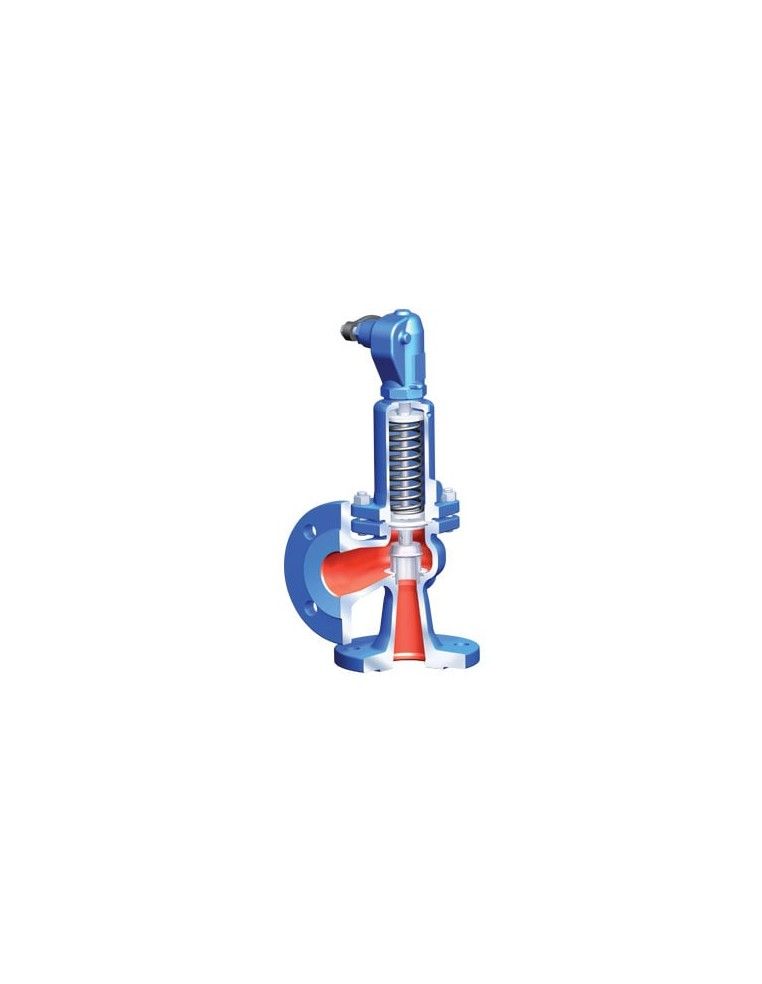
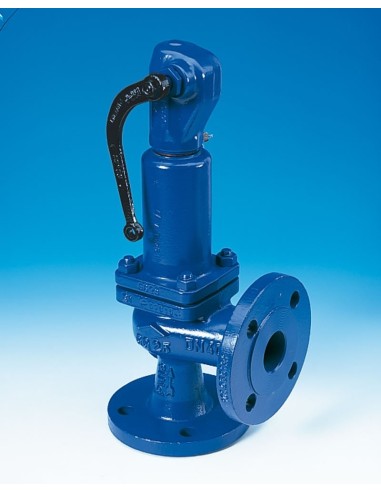
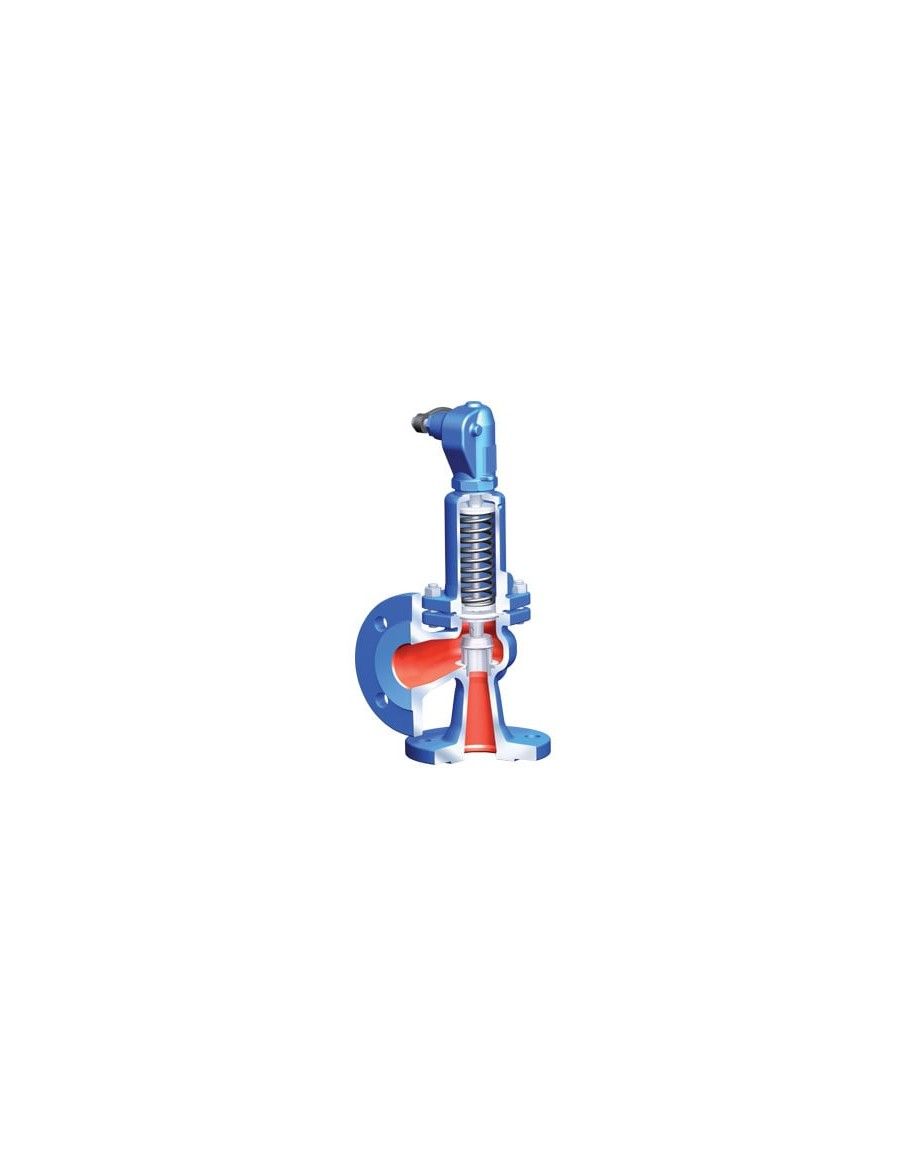
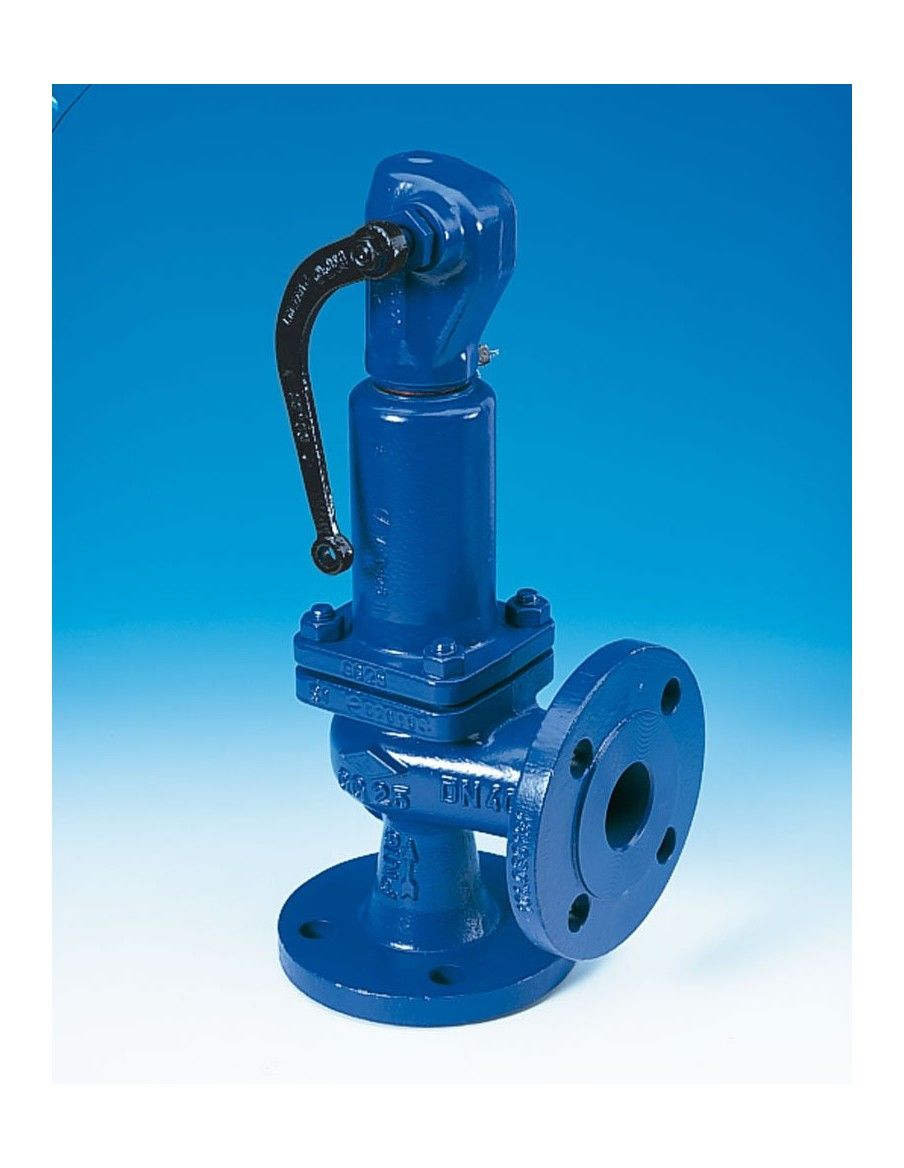
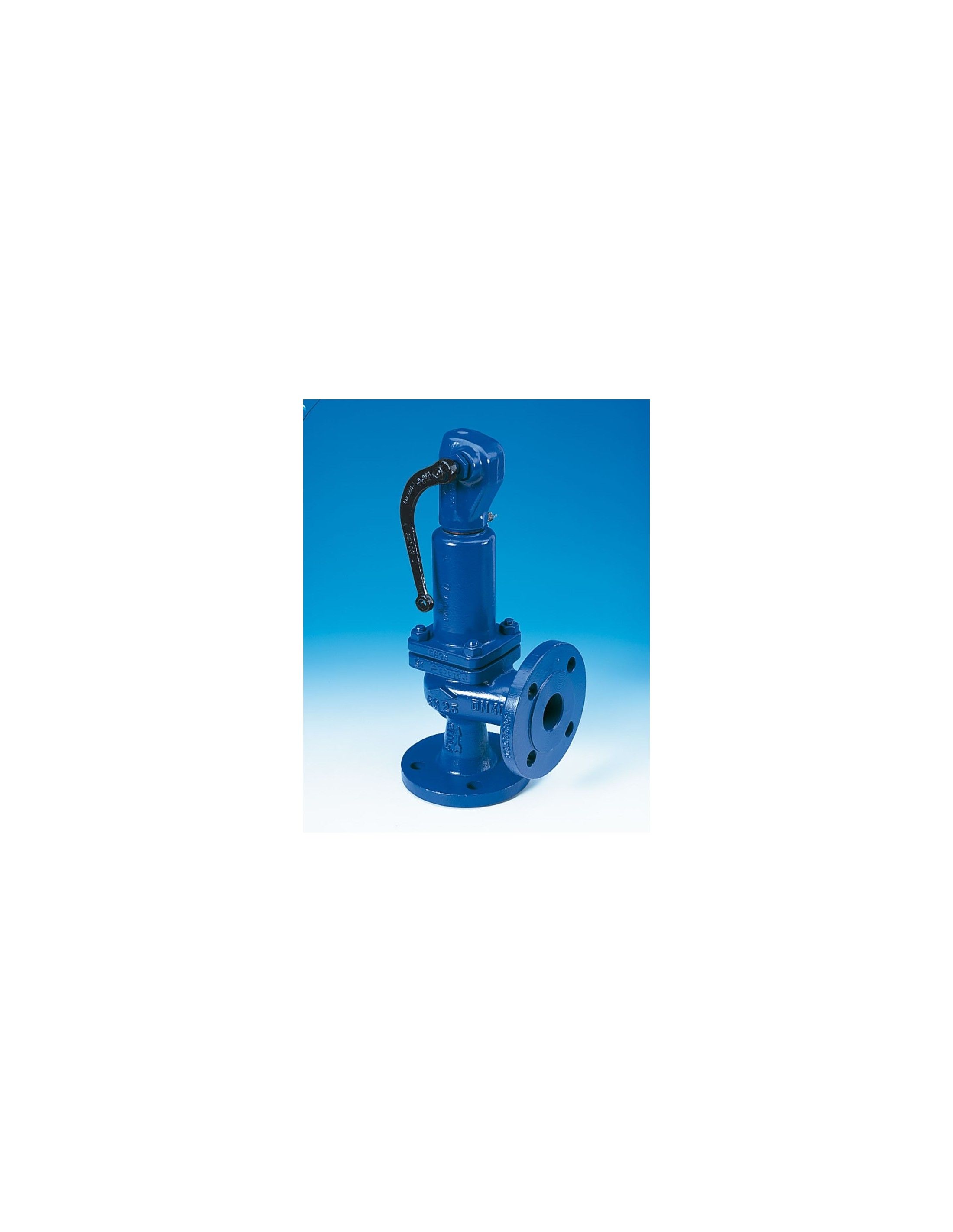
ARI-SAFE-P Spring Loaded Safety Valve
The ARI-SAFE-P is a direct spring-loaded safety valve designed for overpressure protection of pressurized equipment in steam, air, and water systems. The series includes types 921, 922, 923, and 924, differentiated by cap design, lift lever configuration, and spring cover arrangement.
Technical Specifications
- Design: Spring loaded, direct acting
- Versions: D / G / F
- Nominal sizes: DN 15–150
- Pressure classes: PN16, PN40
- Body materials: EN-JL1040, EN-JS1049, 1.0619+N, 1.4408 (stainless steel)
- Temperature range: -10°C to +450°C; -60°C to +400°C for 1.4408 stainless steel
- Flanges: DIN EN 1092-1 / EN 1092-2
- Certifications: EN ISO 4126-1, AD2000-A2, TRD 421, VdTÜV 100, TÜV SV 811
Type Differences: 921 / 922 / 923 / 924
- 921: Enclosed manual lift mechanism, closed spring cover
- 922: Open lift lever, closed spring cover
- 923: Gas-tight cap, closed spring cover
- 924: Open lift lever, open spring cover
Selection depends on process medium, temperature, test lift requirements, and whether the mechanism can be exposed to the operating environment.
Media and Applications
Suitable for:
- Saturated or superheated steam
- Compressed air
- Water and thermal circuits
- Pressure vessels, heat exchangers, boilers, air receivers, auxiliary process lines
Sizing requires mass flow, temperature, set pressure, and backpressure. For gases, molecular weight and isentropic exponent are needed; for liquids, density and viscosity are required.
Backpressure and Installation
Accumulated backpressure in the discharge line should generally not exceed 10% of set pressure. For higher backpressure, a balanced bellows option is recommended. Installation requires vertical orientation, clean piping, correct flow direction, condensate drainage, and inlet pressure loss limited to 3%.
Datasheet and documents
Tests and Certification
Tap to zoom