
DIN
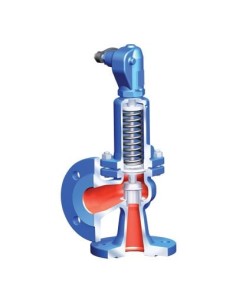
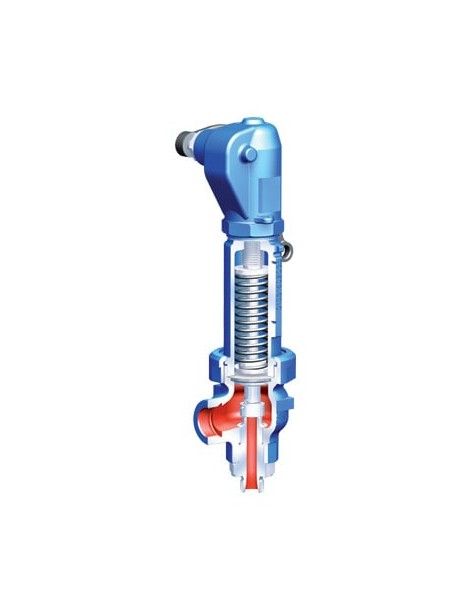
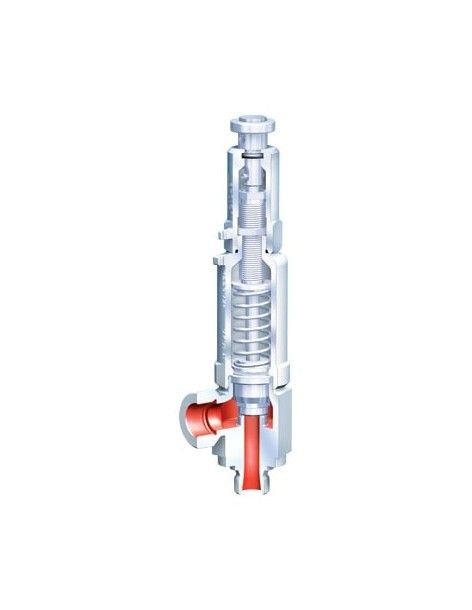
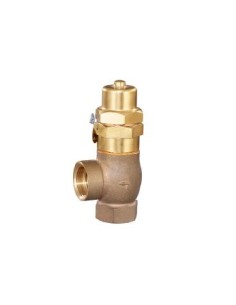
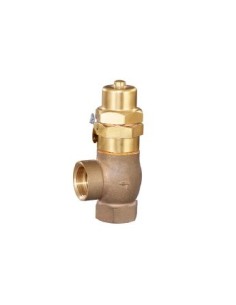
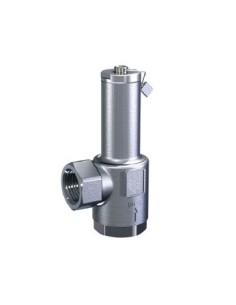
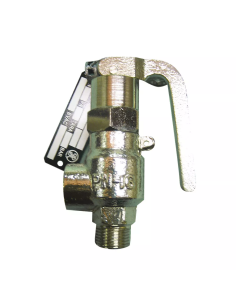
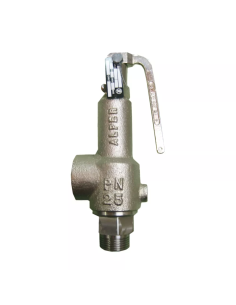
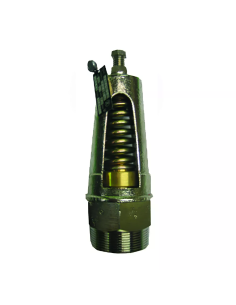
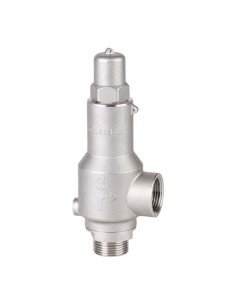
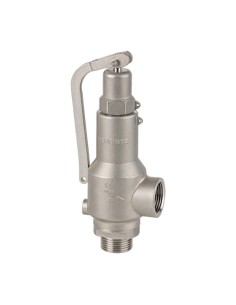
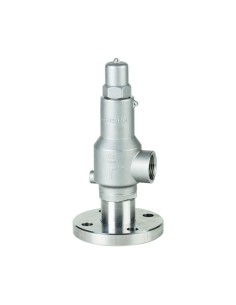
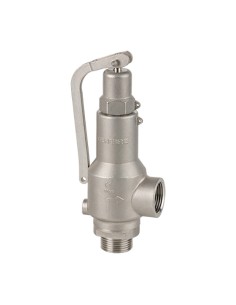
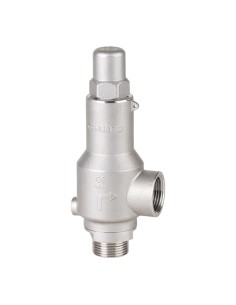
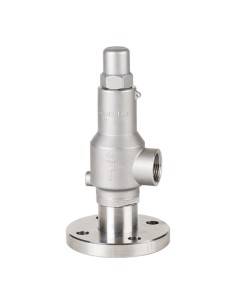
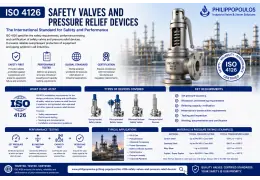
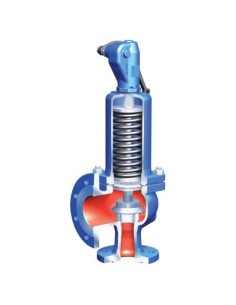
DIN safety valves are used to protect equipment and piping systems against overpressure in steam, water, gas, and other industrial fluid services. Their operation is based on an adjustable spring and a defined set pressure, allowing the valve to discharge when system pressure exceeds the set point and to re-seat once operating conditions return within allowable limits. This category includes ARI SAFE, SAFE P, SAFE TC/TCS/TCP, Berluto SP 80 N/T and SP 85, Valfonta JAS, ALPER and 368–371, and Genebre 2252, 2253, 2256, 2257, 2258, and 2259.
Valve selection is based on service medium, required relieving capacity, set pressure, built-up or superimposed back pressure, operating temperature, discharge characteristics, material compatibility, and certification requirements of the installation. In steam and boiler applications, sizing must be checked against boiler heat input, outlet drainage arrangement, inlet line pressure loss, accumulated back pressure, and accessibility for periodic testing. ARI SAFE valves are specified as direct-acting spring-loaded safety valves, in either full-lift or standard execution, with approvals to DIN EN ISO 4126-1, AD 2000-A2, TRD 421, and TÜV requirements.
Available DIN configurations include PN16, PN25, PN40, and PN100 pressure classes, with BSP, NPT, ISO 228-1 threaded connections and flanged ends. Body and trim materials include brass, CW617N, EN-JL1040, EN-JS1049, 1.0619+N, 1.4408, 1.4581, and ASTM A351 CF3M. ARI SAFE covers nominal sizes from DN15 to DN350, spring ranges from 0.2 to 40 bar, and service temperatures up to 450 °C depending on material selection. Valfonta JAS valves for boiler duty are available in PN16 with BSP or NPT connections and temperatures up to 180 °C, while Valfonta ALPER covers PN16 to PN25, full-lift operation, metal or soft seat designs, and temperatures up to 280 °C. Selection should also consider seat tightness after re-closing, maintenance access, fouling risk, and compatibility with the discharge system.