

| DGRL 2014/68/EU (PED Pressure Equipment Directive) | |
| Arbejdstilsynet (Danish maintenance of industrial health and safety standards) | |
| ABS (American Bureau of Shipping) | |
| AIB Vincotte (Belgium) | |
| BV - Bureau Veritas (France) | |
| DNV - Det Norske Veritas (Norway) | |
| GL - Germanischer Lloyd | |
| GOST-R (Russia) | |
| IBR (Indien Boiler Regulations) | |
| ISPESL (Italy) | |
| LRoS (Lloyds Register of Shipping) | |
| RINA (Italy) | |
| RMROS - Maritime Register of Shipping (Russia) | |
| SELO (China) | |
| Stoomwezen (Netherlands) | |
| TÜV (Austria) | |
| UDT (Poland) | |
| Canada Registration (UV-stamp) | |
| VdTÜV (Germany) | |
| Promatomnadzor (White russia (Rep. of Belarus)) | |
| Prombezpeka (Ukraine) | |
| Rostechnadzor (Russia) | |
| NK (Japan) | |
| with stainless steel bellows seal: TA - Luft TÜV-Test-No. 922-960324 |


Safety valve - SAFE | ARI

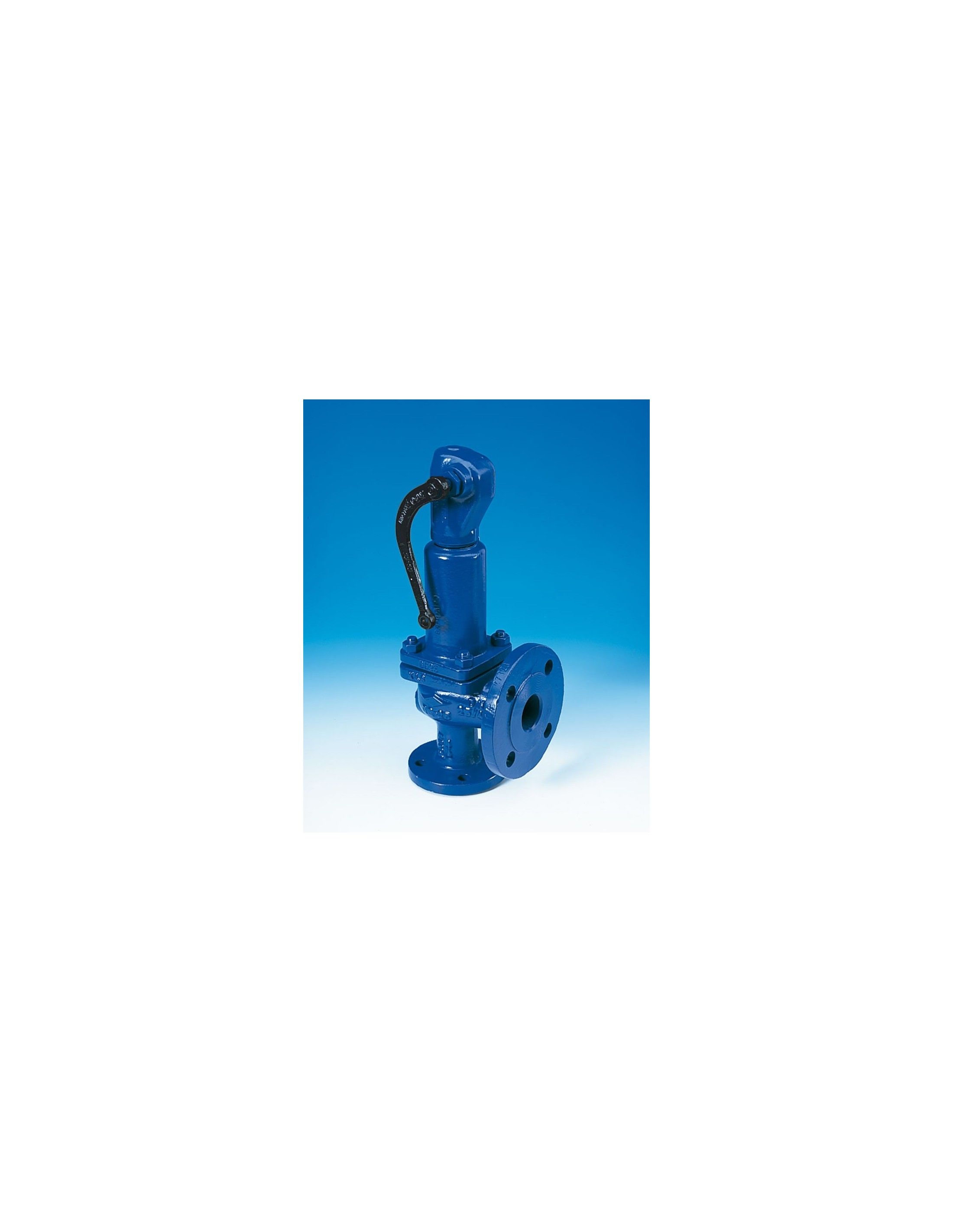
ARI-SAFE Spring-Loaded Safety Valves
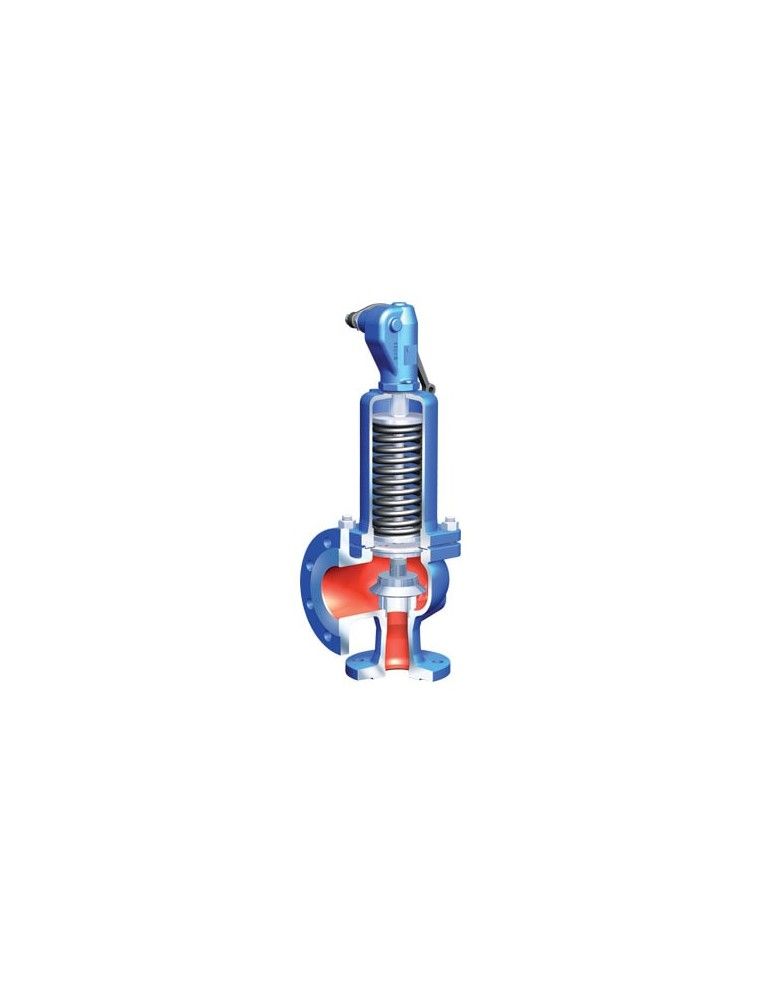
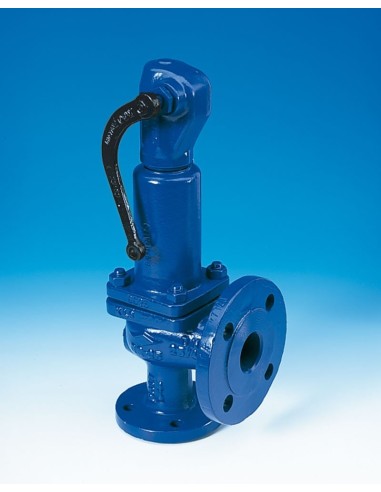
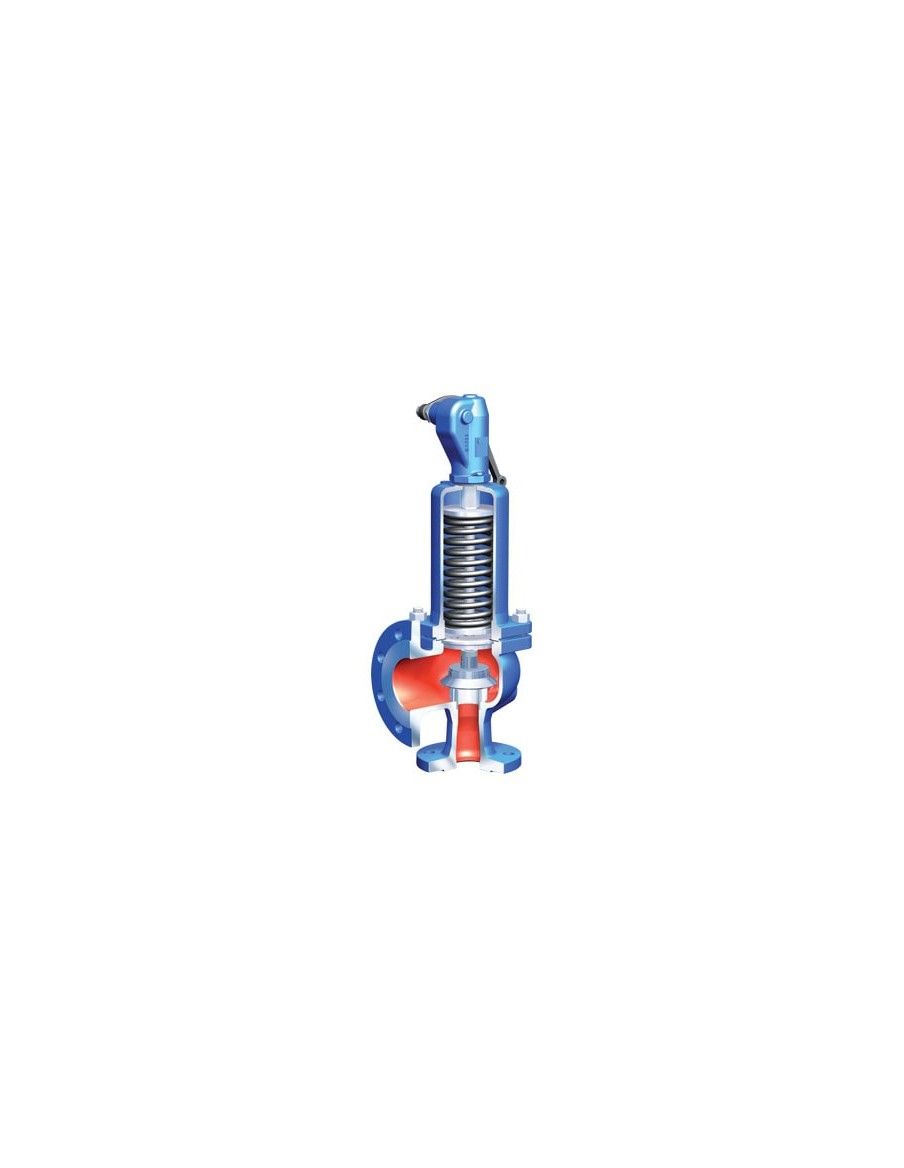
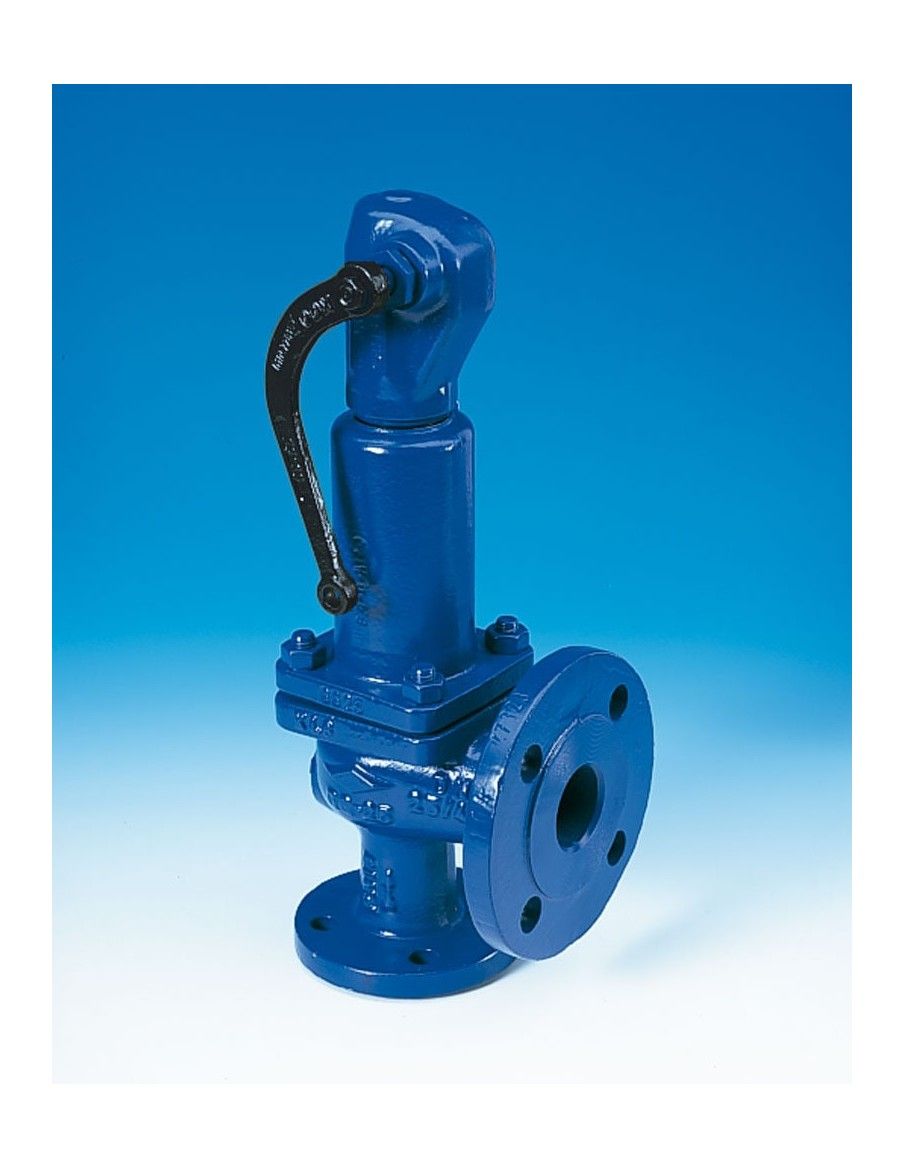
ARI-SAFE valves are direct-acting, spring-loaded safety valves designed for overpressure protection of vessels, heat exchangers, steam, water, air networks, and thermal installations. Available as full-lift (D/G) and standard-lift (F) types.
Standards and Certifications
Design and sizing in accordance with DIN EN ISO 4126-1, AD2000-A2, and TRD 421. Heating system variants comply with DIN EN 12828 and TRD 721. TÜV approvals are provided per valve type.
Technical Specifications
- Connection: Flanged per DIN EN 1092-1 / EN 1092-2
- Pressure classes: PN16, PN25, PN40, depending on body material and inlet/outlet configuration
- Body materials: EN-JL1040, EN-JS1049, 1.0619+N, 1.4408
- Operating temperature: -60°C to +450°C, subject to construction
- DN: up to DN250/350 depending on series
- Spring set pressures: typically 0.2 to 40 bar
- Sealing options: metal seat or soft seal
- Optional bellows: EPDM or stainless steel for media isolation or backpressure control
Variants
Types 901/902/911/912 differ in bonnet design, lift lever, and open/closed cap. Selection depends on medium, temperature, test lift requirements, and environmental tightness. SAFE-P, SAFE-TC, SAFE-TCP, and SAFE-TCS series address specific connection, heating, and horizontal installation needs.
Selection Criteria
Selection requires: medium, mass flow, temperature, set pressure, backpressure, density or viscosity (liquids), and isentropic exponent (gases). Accumulated backpressure is typically considered up to 10% of set pressure unless otherwise specified.
FAQ
Typical Applications:
Boilers, steam networks, pressure vessels, heat exchangers, compressed air, and HVAC systems.
Actuator Requirements:
None. Operation is mechanical, direct-acting via spring. Lever is for manual test lift only.
Maintenance Considerations:
Influenced by medium cleanliness, seat deposits, relief cycles, thermal loads, and proper discharge line drainage.
Datasheet and documents
Tests and Certification
Tap to zoom