
Level Switches
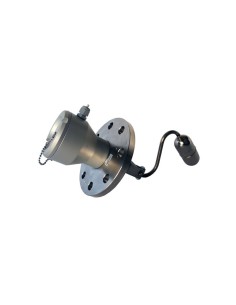
Level switches, indicators, and transmitters are used for point level detection or continuous level measurement in tanks, vessels, bypass chambers, silos, and process units. The range includes Tecfluid LC, LC40, LD, LE, LP, LR, LS, LT, LTDR, LU, and NPC devices, covering float-operated, reed chain, magnetic coupling, vibrating fork, radar, guided wave radar TDR, ultrasonic, and mechanical pulley/counterweight indication technologies.
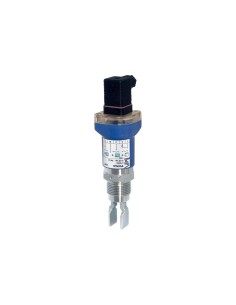
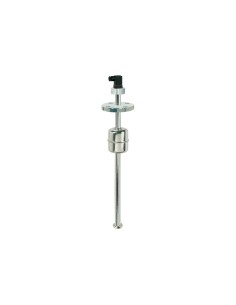
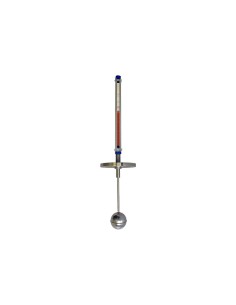
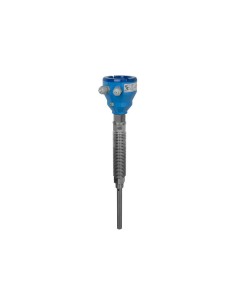
Selection depends on the process medium, density, conductivity or dielectric constant, presence of foam or vapors, operating pressure, temperature, corrosion resistance, measuring length, mounting position, and required output signal to the PLC, DCS, or other control system. LC and LC40 float switches are used where level changes can be detected by direct mechanical float movement, with DIN flange or threaded process connections and wetted materials such as EN 1.4404 / AISI 316L, PVC, PP, PTFE, or PVDF. LD vibrating fork units are applied for point level detection in liquids or granular solids without rotating or sliding internal parts, with sensing lengths up to 6000 mm and output options including transistor, NAMUR Exi, or relay.
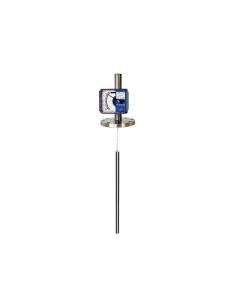
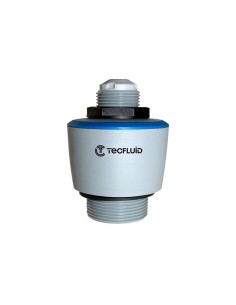
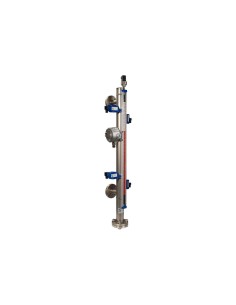
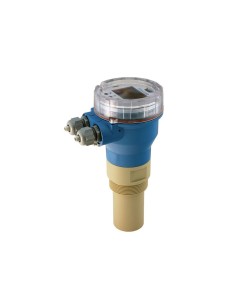
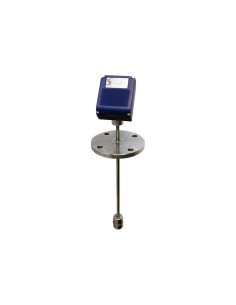
For continuous level measurement, LE, LP, LS, and LT models provide local indication, 4-20 mA transmission, adjustable limit switches, and, depending on configuration, HART, Profibus, or Fieldbus communication. LT and LTDR cover bypass chamber service and guided wave radar TDR duties, with accuracy up to ±3 mm where process conditions permit. LR and LU provide non-contact radar or ultrasonic measurement for liquids and bulk solids, with PP or PVDF constructions available for chemically aggressive atmospheres.
In hazardous areas or demanding process service, the specification should verify ATEX/Ex approval, process sealing integrity, electrical output type, calibration access, dead band, false echo risk, and compatibility of wetted parts with the medium. Attention should also be given to installation geometry, nozzle length, internal obstructions, build-up, maintenance access, and the effect of pressure, temperature, and vapor phase conditions on measurement stability.