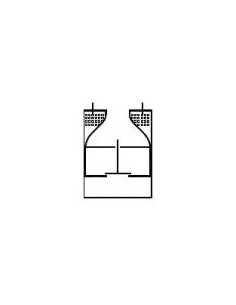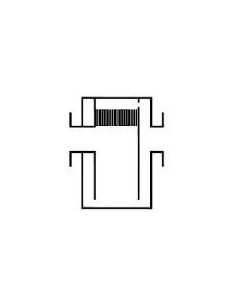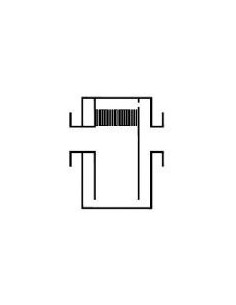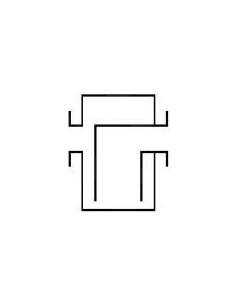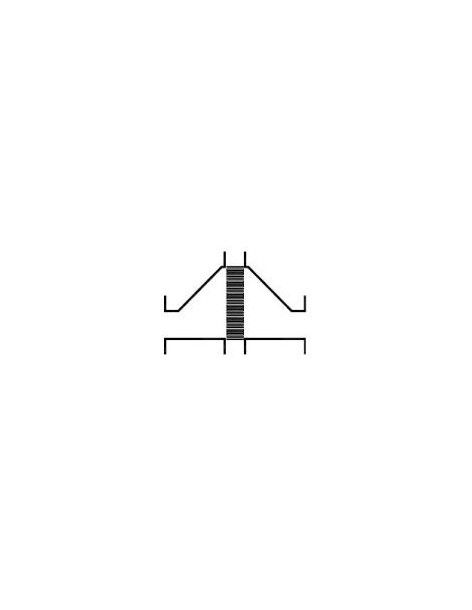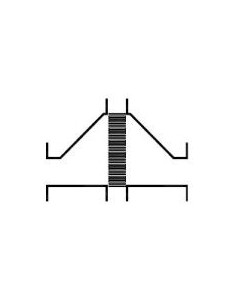

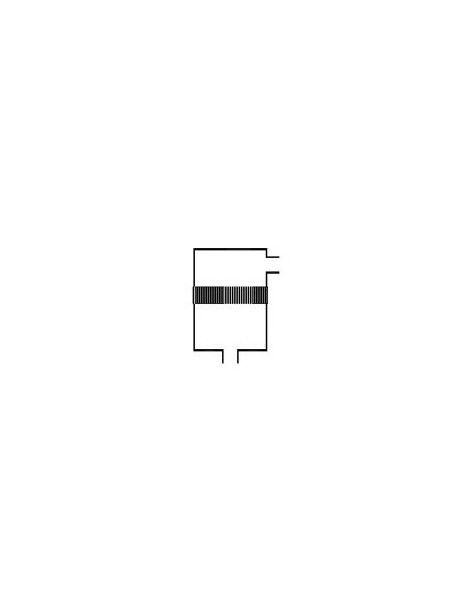
Inline Detonation
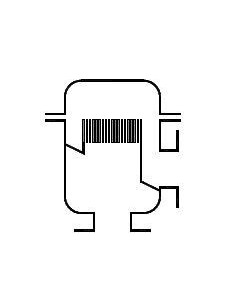
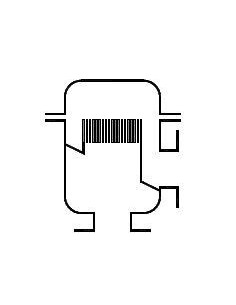
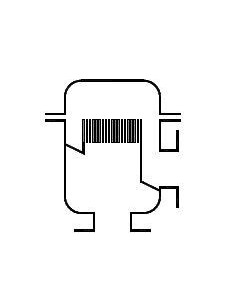
Line flame arresters for detonation service are used in piping systems handling flammable gases, vapors, or volatile liquids where flame transmission must be stopped if ignition occurs within the line. Their operating principle is based on a flame arresting element that removes heat from the combustion front and reduces the flame temperature below the ignition limit of the gas mixture.
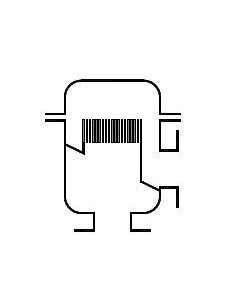
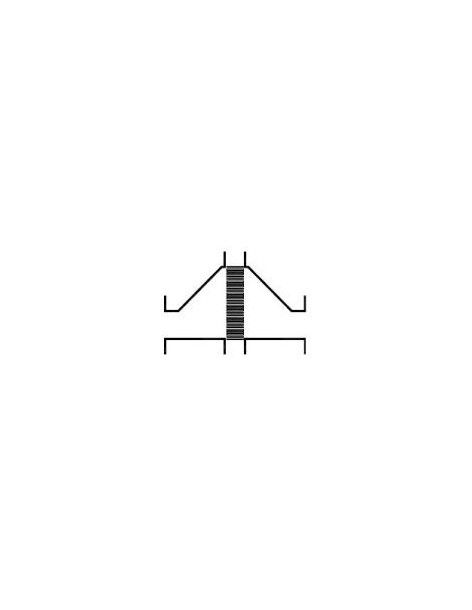
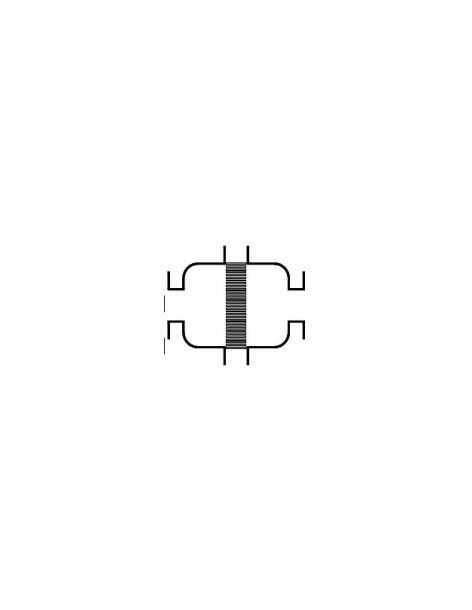
This category includes KITO flame arresters for uni-directional and bi-directional flow, in-line and end-of-line installation, as well as versions for liquid service and designs rated for short-time burning. Types G5N, G13N, G13.0N, G13.1N, and G13.2N are intended for uni-directional in-line duty. Types G14N and G14.1N are used for uni-directional end-of-line protection. Series G18, G19, and G20 are specified as uni-directional in-line flame arresters with short-time burning proof execution. For bi-directional protection, types G21 through G28 are available, together with G30N, G31N, and G32N for bi-directional in-line detonation service.
Selection should be based on the expected direction of flame propagation, the gas explosion group, operating pressure and temperature, piping length and geometry, potential for stabilized burning, allowable pressure drop, and the need for condensate drainage. Available configurations include DIN standardization, flanged connections, pressure classes PN 10, PN 16, and PN 40, and materials such as 1.0619, 1.4301, 1.4408, 1.4571, and carbon steel or stainless steel constructions, depending on corrosion resistance and media compatibility requirements.
During maintenance, the flame arrester element should be inspected for fouling, polymerized deposits, corrosion, mechanical deformation, and increased differential pressure. The arrester must be assessed as part of the overall ATEX review and coordinated with the complete protection concept for tanks, vent lines, and vapor recovery systems.