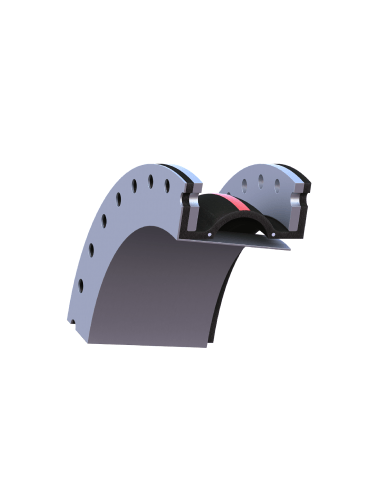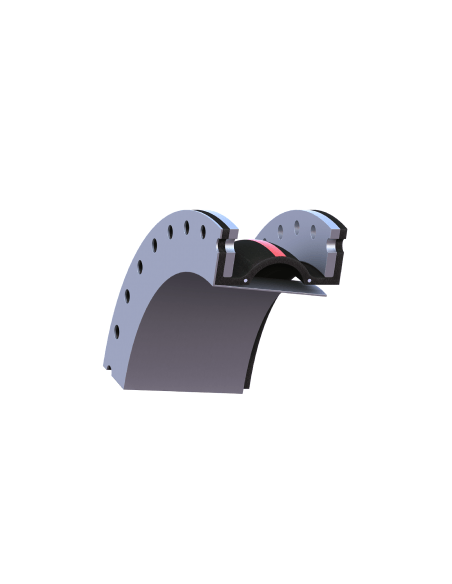

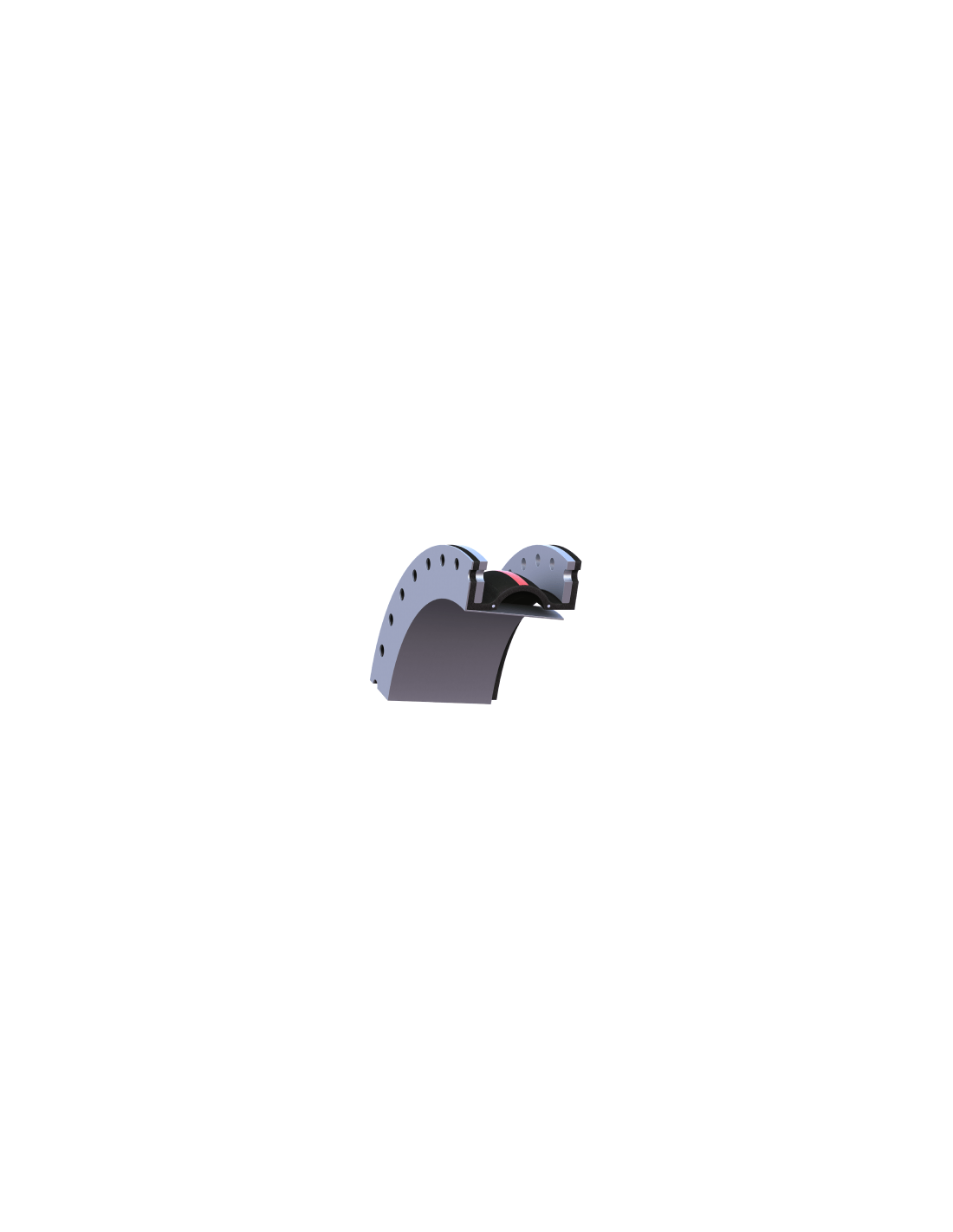
Consists of a sleeve extending through the bore of the expansion joint with a full-face flange on one end. Constructed of hard rubber, metal or fluoroplastic it reduces frictional wear of the expansion joint and provides smooth flow, reducing turbulence. This type sleeve should not be used where high viscosity fluids, such as tars, are being transmitted. These fluids may cause packing-up or caking of the arch area, which reduces movements and in turn may cause premature expansion joint failure.


Variations and optional devices for rubber expansion joints - Inner sleeve | Macoga

MACOGA Inner Sleeve – Internal Liner for Elastomeric Expansion Joints
The inner sleeve is an optional internal liner installed through the bore of an elastomeric expansion joint, featuring a full-face flange at one end. It is manufactured from rigid elastomer, metal, or fluoroplastic, selected based on the conveyed medium, temperature, and chemical compatibility.
Functional Role
The inner sleeve reduces fluid friction against the elastomer body and promotes smoother flow through the expansion joint. It minimizes turbulence, local wear, and direct stress on the internal arch from high-velocity flow or media containing particulates.
Typical Applications
- Pipelines with high flow velocity.
- Liquids containing suspended solids or exhibiting mild abrasive behavior.
- Pumping stations, cooling water, desalination, and industrial water systems.
- Applications requiring reduction of turbulent flow within the arch.
- Where protection of the internal elastomer from abrasion and erosion is required.
Application Limitations
The inner sleeve is not recommended for high-viscosity fluids such as bitumen or similar media. Such fluids may cause packing or caking in the arch area, restricting allowable movements and increasing the risk of premature joint failure.
Difference from PTFE/FEP Lining
The inner sleeve is a flow and abrasion protection liner. PTFE/FEP lining is a chemical barrier for wetted surfaces. Selection depends on the medium, chemical aggressiveness, flow velocity, viscosity, and required movement range.
Installation
Installation orientation must follow the flow direction to prevent the liner from forming a reverse lip in the bore. No actuator is required. Selection is based on DN, pressure class, temperature, medium, flow velocity, solids content, vacuum requirements, and available pipe anchoring.
Datasheet and documents
Description
CERTIFICATES
MACOGA holds numerous industry approvals, including:
Ministry of Defense and NATO Member Countries
Tap to zoom