
Expansion - Rubber Joints
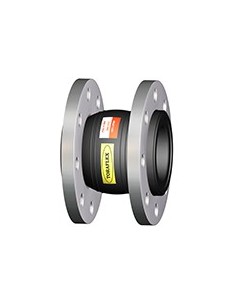
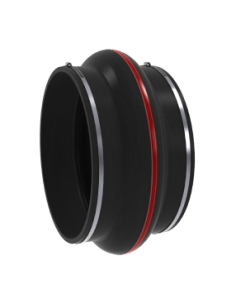
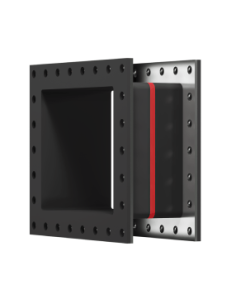
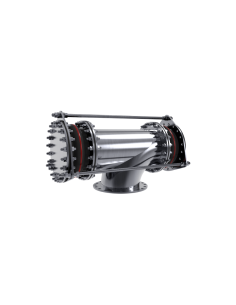
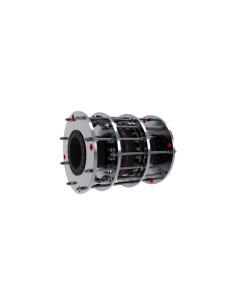
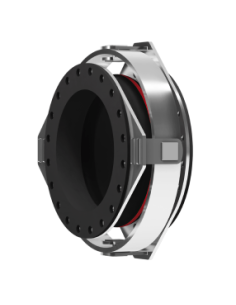
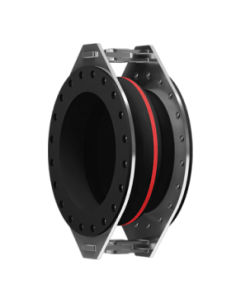
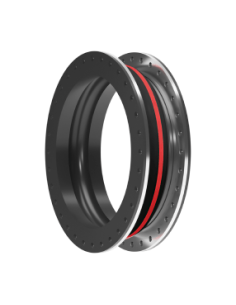
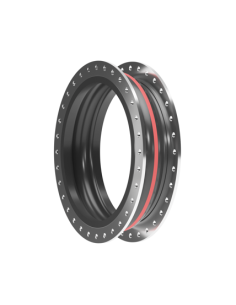
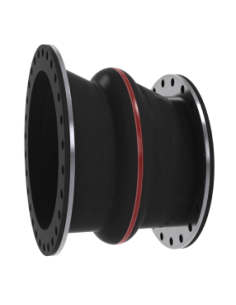
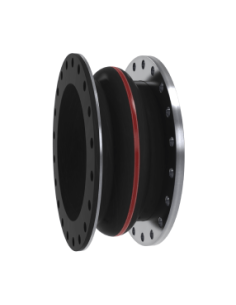
Rubber expansion joints and anti-vibration connectors are used to absorb vibration, structure-borne noise, and small movements in water, HVAC, compressed air, lubricant, and general industrial piping systems. They are typically installed on pump suction and discharge lines, compressors, mechanical equipment, headers, and pipework where transmitted loads must be reduced or minor misalignment must be accommodated. This category includes Comeval TORAFLEX S10, S15, S20, and S30, Macoga MAC-O, MAC-F, MAC-W, MAC-WT series and special configurations, as well as Genebre 2830, 2830N, 2831, 2831A, 2833, 2834, 2835E, and 2835AE.
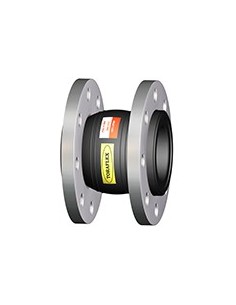
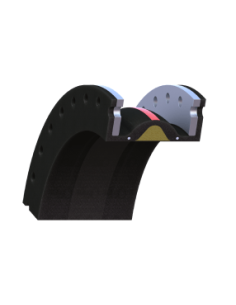
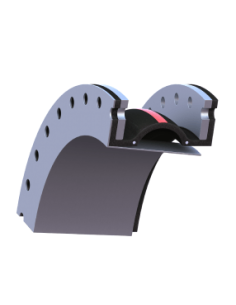
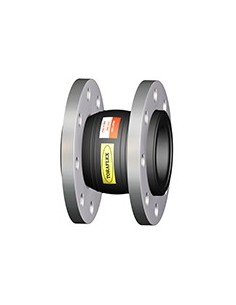
Selection is based on nominal size, operating pressure, temperature, service medium, allowable axial/lateral/angular movement, vacuum conditions, dynamic loads during pump start-up, and elastomer compatibility with the process fluid. TORAFLEX S10 units are described as flexible connectors with a synthetic rubber body, internal reinforcement, and rotating flanges, intended for vibration and noise attenuation, thermal movement absorption, and compensation of small alignment deviations. The range covers DN25 to DN1200, typically in PN10 to PN16 execution, with vacuum service available in selected designs.
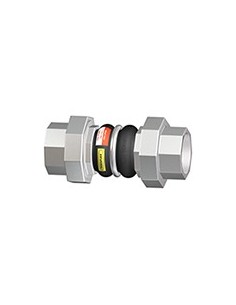
Available versions include DIN drilling, PN10 and PN16 flange classes, threaded BSP or NPT ends, and flanged connections, with EPDM body material in selected series. Genebre 2830 and 2830N are double-sphere units with threaded ends, EPDM body, galvanized steel connections, maximum working pressure 10 bar, and operating temperature from -10 °C to +105 °C. Genebre 2831 and 2833 are flanged EPDM versions, supplied in PN10 or PN16 depending on model, with working pressure up to 10 bar and temperature range -10 °C to +105 °C.
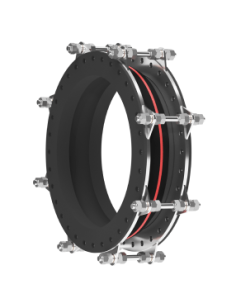
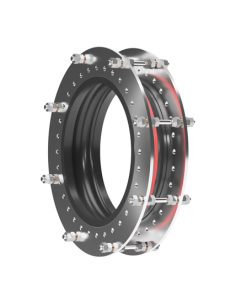
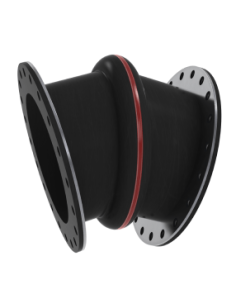
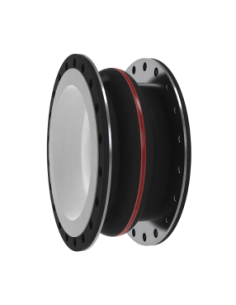
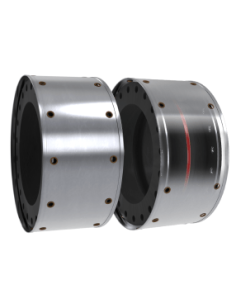
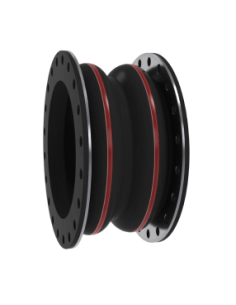
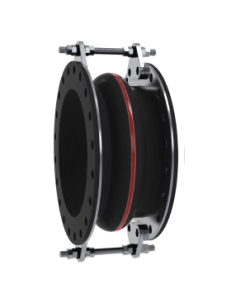
Installation requires correct fixed points and pipe guides, prevention of torsional loading of the rubber body, verification of installed face-to-face length, and limitation of external non-axial loads from flange misalignment or unsupported pipe weight. In pump rooms and systems exposed to water hammer, the need for tie rods, retaining rings, inner sleeves, protective covers, PTFE lining, or special geometries such as reducers, offsets, filled arches, or multiple convolutions should be reviewed against pressure rating, medium, and design movement.