


Ball Valve STD SEALS TANK SIDE FLANGE UNI EN1092 & DIN11851 FEMALE ON OUTPUT SIDE - 153025 | 4G Ghidini | Philippopoulos s.a.

Ball Valve STD SEALS TANK SIDE FLANGE UNI EN1092 & DIN11851 FEMALE ON OUTPUT SIDE - 153025 | 4G Ghidini

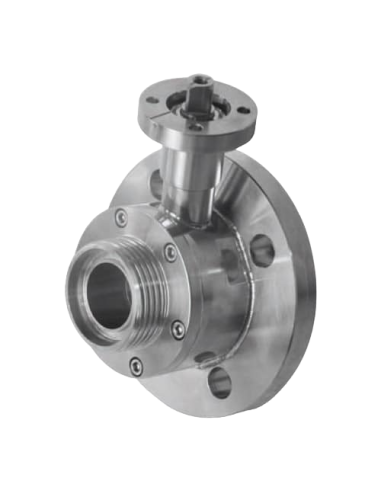
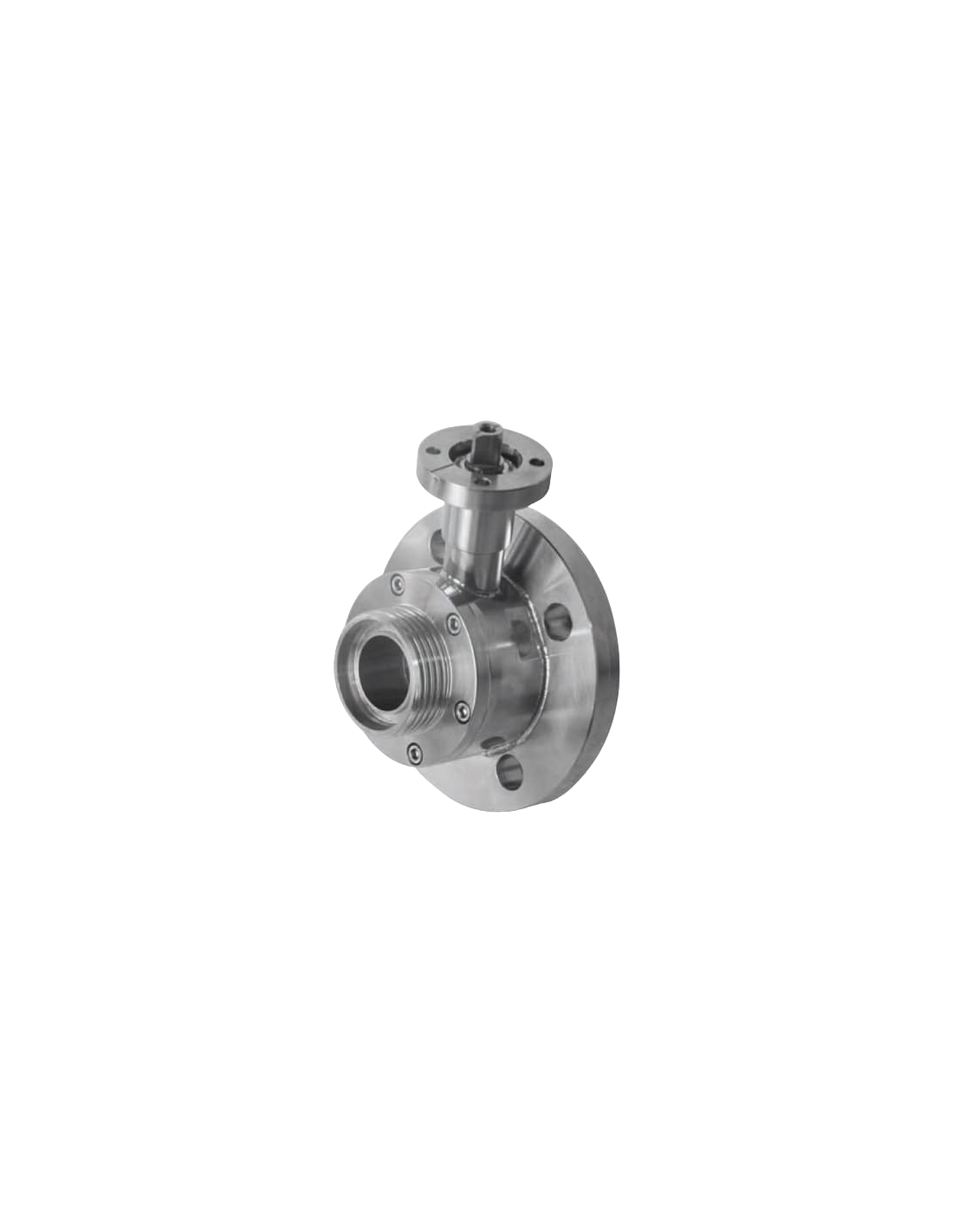
Spherical Bottom Tank Valve 4G Ghidini 153025

Two-way full bore ball valve designed for installation at the bottom of process tanks. Features a fixed tank flange per UNI EN 1092 and a female outlet connection DIN 11851. Intended for isolation or controlled discharge of product from process vessels, mixers, and production tanks.

Key Technical Data

  • Body / Ball / Stem: AISI 316L / 1.4404
  • Nominal Pressure: PN16
  • Sizes: DN40 to DN125
  • Seats: Modified virgin PTFE
  • Operating Temperature: -20°C to +170°C
  • Alternative Seats: PTFE with stainless, -20°C to +200°C
  • Actuation: ISO 5211 / DIN 3337 flange for pneumatic or electric actuator
  • ATEX Antistatic: II 2G Ex h IIC T4 Gb / II 2D Ex h IIIC T135°C Db

DIN 11851 Connection Use

DIN 11851 outlet is selected where a detachable connection is required for product transfer lines, CIP returns, or networks with frequent disassembly for cleaning and inspection. Compared to ISO 228, DIN 11851 is more suitable for installations using standardized hygienic couplings.

Suitable Media and Applications

Compatible with liquids suitable for AISI 316L and PTFE: process water, foodstuffs, beverages, mild chemicals, CIP cleaning agents, and products with low fouling tendency. For food applications, M.O.C.A. CE 1935/2004 compliance can be requested.

Heated Jacket Variant

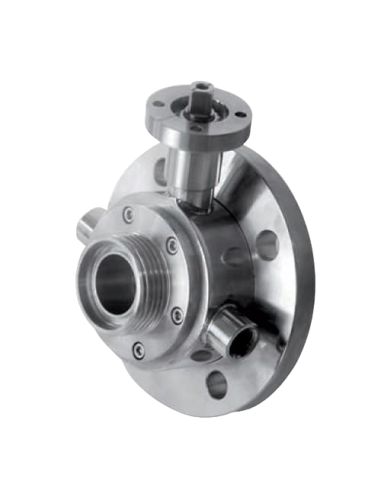
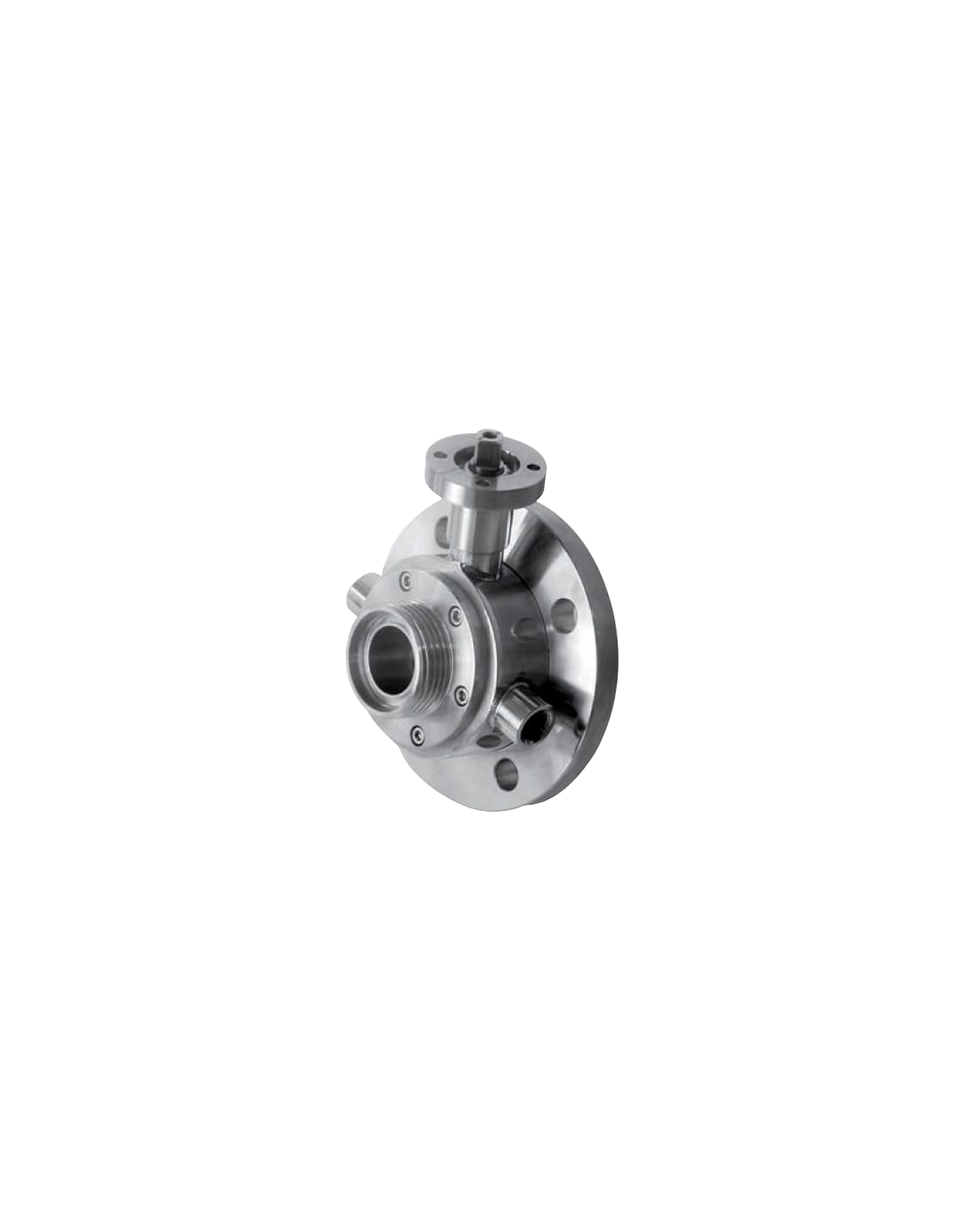
Model 153025E includes a heating jacket for applications where the product increases in viscosity, crystallizes, or solidifies near ambient temperature. Typical use cases: fats, syrups, resins, chocolate, or chemicals requiring thermal maintenance at the discharge zone.

Maintenance and Operational Limitations

Before maintenance, ensure system shutdown, zero pressure, and no flow through the valve. Operate open/close gradually to minimize hydraulic shock. Manufacturer recommends seal inspection every ~2,500 cycles, with increased frequency in corrosive or heavy-duty environments.

FAQ

Is this a control valve?
Not as a primary function. This is a full bore isolation valve.

Is it suitable for hazardous gases?
The manual states these valves are not safety valves and should not be used for hazardous gas service.

Standard (Options)
  • DIN
Connection (Options)
  • Flanged
  • DIN 11851
Material (Options)
  • 1.4404
Pressure Rating (Options)
  • PN 16
Seat (Options)
  • PTFE Virgin (Modified)

Datasheet and documents

Description

TWO-way ball valve STEM BENT BOTTOM with “STANDARD SEAL” / TWO-way ball valve STEM BENT BOTTOM with “STANDARD SEAL” with HEATING JACKET

Use: Valve for tank bottom

Antistatic device ATEX:

II 2G Ex h IIC T4 Gb

II 2D Ex h IIIC T135°C Db

Drive: ISO 5211 – DIN 3337 flange for actuator

Connections: Tank side flange fixed UNI EN 1092 and DIN 11851 Female on output side

Flow: Full

Material: Aisi 316L (1.4404)

Measure: from DN40 to DN125

Seals: Modified Virgin P.T.F.E.

Operating temperature: -20°C+170°C

Outer finish: Polished

Screws for mounting actuator included

On request:

M.O.C.A. CE 1935/2004

• Seals made of:

PTFE with inox -20°C+200°C

• MANUAL with LEVER Kit

• Counterflanges for Tank