

Buttefly valve - SPLIT BODY | TTV Valves | Philippopoulos s.a.

Buttefly valve - SPLIT BODY | TTV Valves

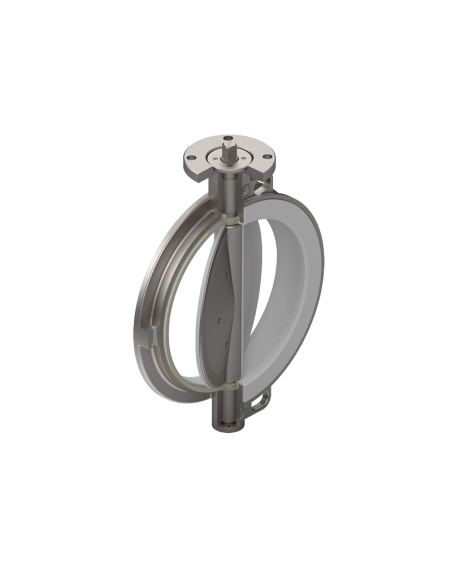
TTV Split Body Wafer Butterfly Valve PTFE

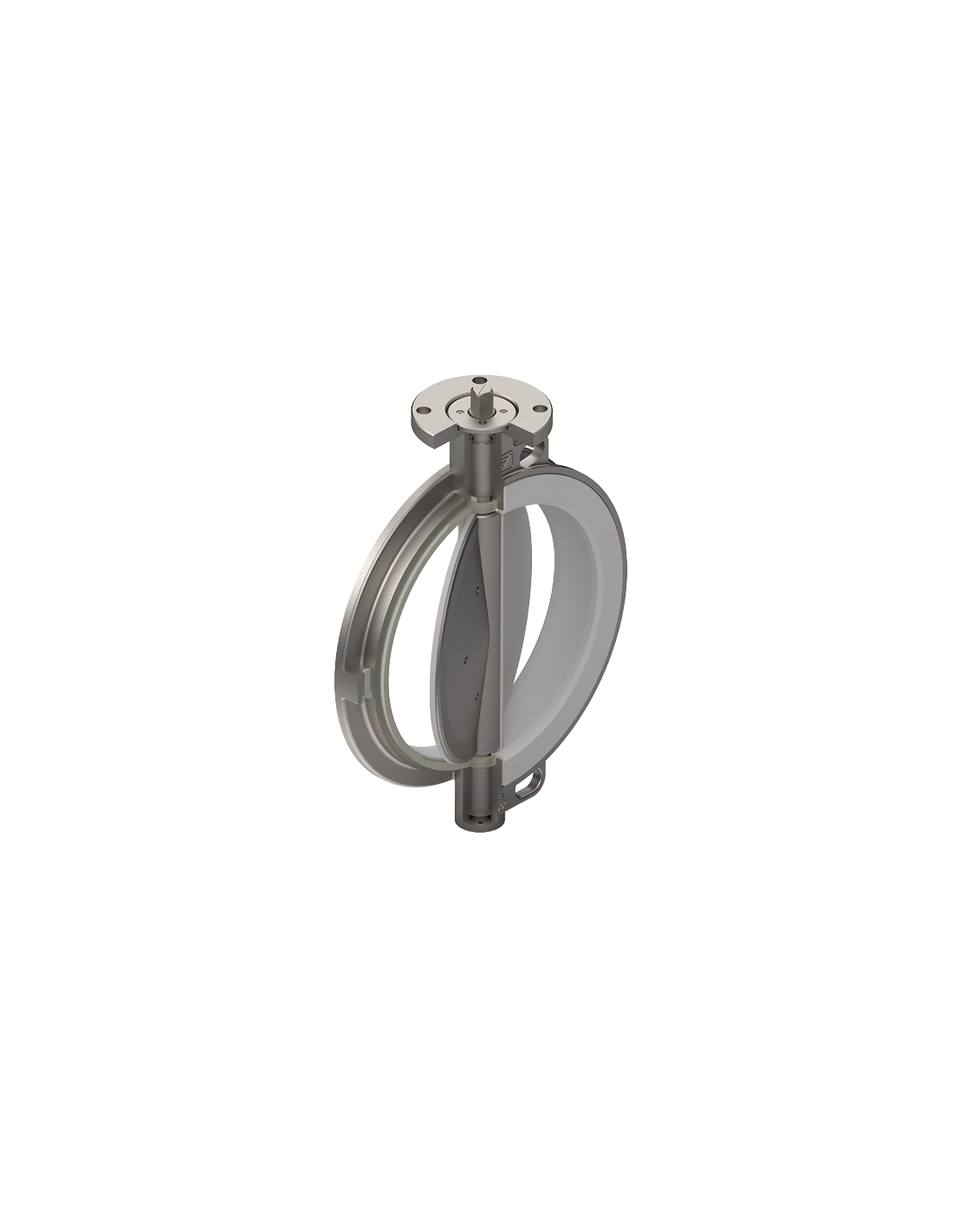
The TTV split body is a concentric wafer butterfly valve with a divided body, designed for lines requiring PTFE wetted surfaces and the ability to replace internal parts during maintenance. Manufacturing range is DN32–DN600, installed between flanges PN10/PN16 or ANSI Class 150.

Standards and Operating Limits

  • Face-to-face: EN 558 Series 20, ISO 5752 Series 20, API 609.
  • Design: EN 593.
  • Flanges: ISO 7005, DIN 2501, EN 1092-1, ANSI B16.5 Class 150.
  • Top flange: ISO 5211 for actuator or manual operation.
  • Testing: ISO 5208, zero leakage per API 598.

Pressure must be confirmed per DN. The page states up to 16 bar for DN32–DN200 and up to 12 bar for DN250–DN600, while the PTFE manual states 16 bar up to DN300 and 10 bar for DN350–DN600. For temperature, the manual provides -10 to +100 °C at maximum pressure 16 bar and -10 to +160 °C at maximum pressure 10 bar.

Construction and Sealing

The body is specified as EN-GJS-500. The split-body construction allows disassembly of the two halves for replacement of the PTFE seat, O-rings, and related seals. Disassembly is not performed under pressure or with fluid in the line; the manual requires specialized personnel and safe isolation.

Process Applications

Suitable for chemical networks, treated water, seawater, industrial fluids, toxic or corrosive media, provided compatibility of PTFE, O-rings, disc, and shaft is verified. The series is also referenced for food, pharmaceutical, chlorine, mining, and hazardous materials applications per EN 14432.

Handling

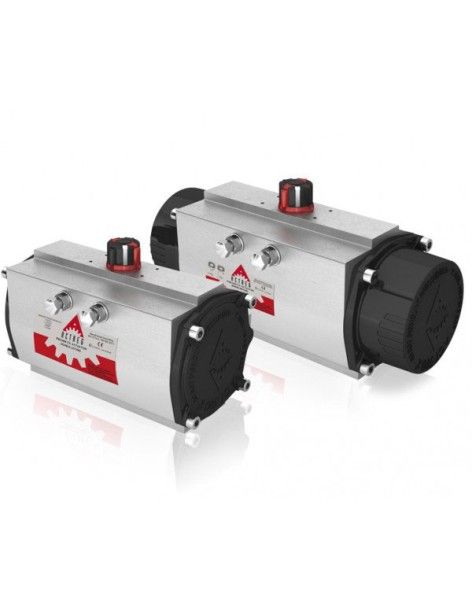
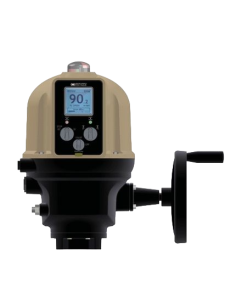
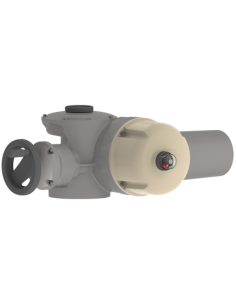
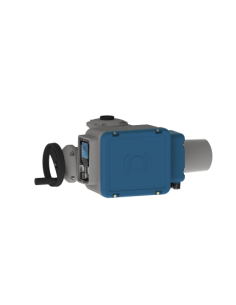
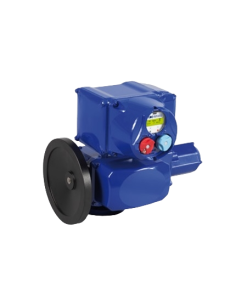
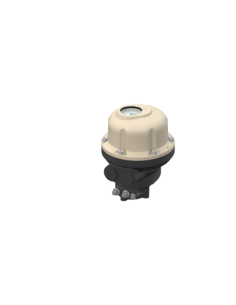
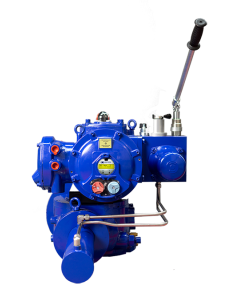
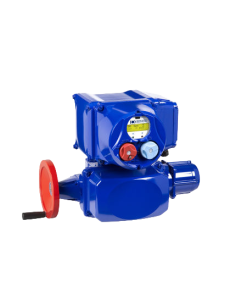
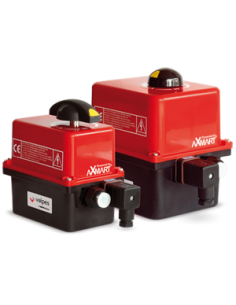
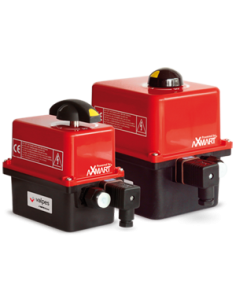
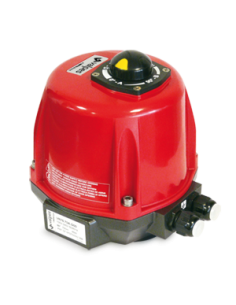
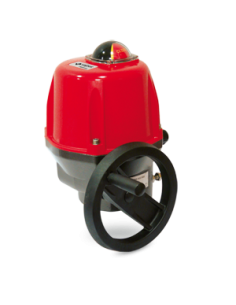
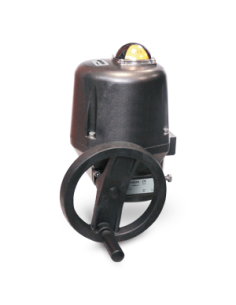
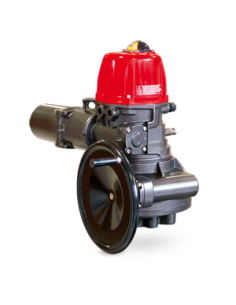
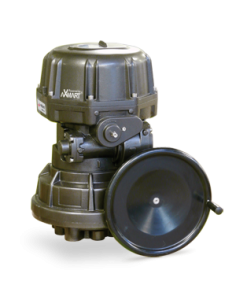
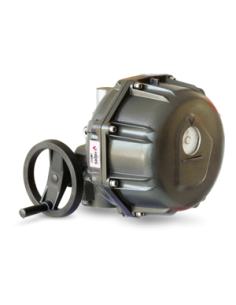
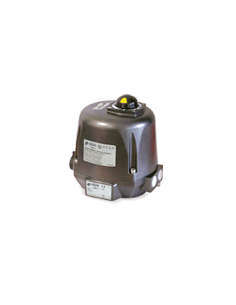
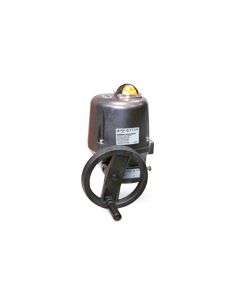
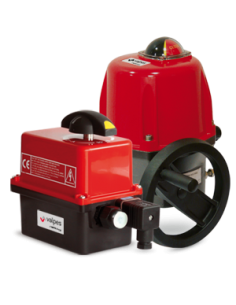
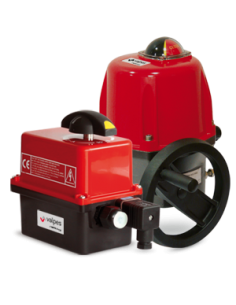
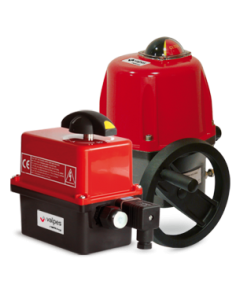
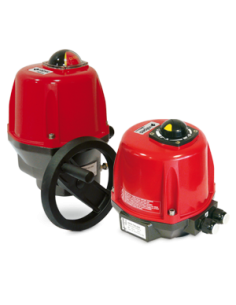
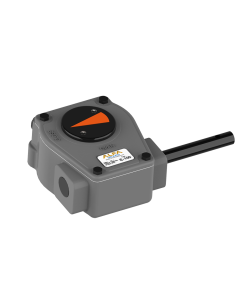
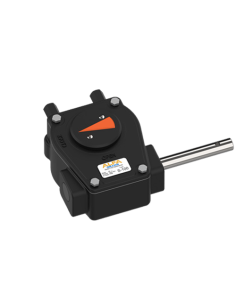
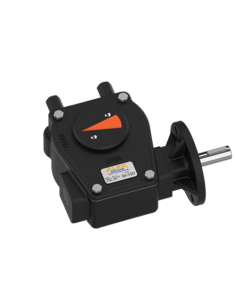
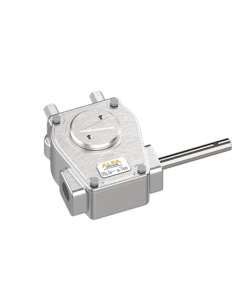
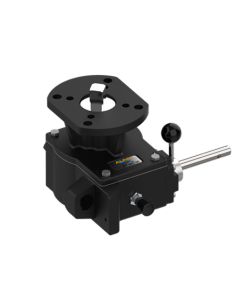
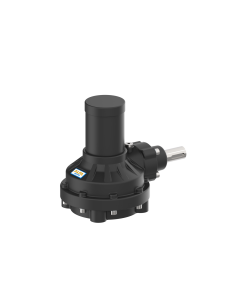
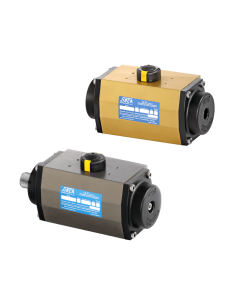
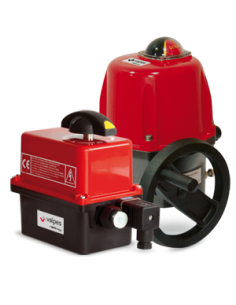
Accepts handle, gearbox, pneumatic actuator double or single acting, electric or hydraulic actuator. Actuator selection is based on DN, differential pressure, seat material, and required torque.

FAQ

When to choose split body over simple wafer?
When the application requires PTFE lining and maintenance/replacement of the seat is anticipated.

Is it a control valve?
Only for limited throttling. Continuous control requires checking Kv, torque, speed, and potential wear of the PTFE seat.

Standard (Options)
  • DIN
  • ANSI
Connection (Options)
  • Flanged (Wafer)
Material (Options)
  • EN-GJS-500
Pressure Rating (Options)
  • PN 10
  • PN 16

Datasheet and documents

Description

Manufacturing range: DN32 - DN600

Distance between flanges: EN 558 Series 20 - ISO 5752 Series 20 - API 609 - EN 593

Installation between flanges: PN10/16-ANSI150 Lbs.

Flanged: ISO 7005, DIN 2501, EN 1092-1, ANSI Class 150: ANSI B16.5

Upper flange connection: ISO 5211

Tests: ISO 5208, zero leakage API 598

Coating: Steel / nodular 

Work Pressure: DN32 - DN200, Max. 16 bar / DN250 - DN600, Max. 12 bar

Properties

  • Certified and approved valves for different applications.
  • Zero leak.
  • Replaceable or vulcanized seat.
  • One-piece shaft, complete protection of the shaft and body against circulating fluids.
  • Bidirectional flow.
  • Self-cleaning.
  • Lightweight design, easy installation.
  • Easy maintenance.
  • Possibility of operation with different controls (lever control, reducer, pneumatic, electric, hydraulic actuator...)
  • Aerodynamic disc design that minimizes pressure loss.
  • Butterfly valve with PTFE seat suitable for toxic and highly corrosive environments.
  • FDA-compliant material.
  • Split body for easy maintenance.
  • Double design: stainless steel butterfly or PTFE coated butterfly.
  • Minimum 3 mm PTFE coating that guarantees optimal permeation of the disc and shaft.
  • Design TA-LUFTVD 2440

General applications

Water:

  • Irrigation
  • Drinking water
  • Seawater
  • Water supply
  • Gasoline
  • industrial water
  • Residual water
  • Fire protection systems
  • cooling towers

Industry:

  • Food
  • Paper
  • Toxic
  • Stickers
  • Pharmaceutical
  • Hazardous materials (EN 14432)
  • Chlorine
  • Mining
Accessories & Compatibility