
Latest posts

 
Sort by:
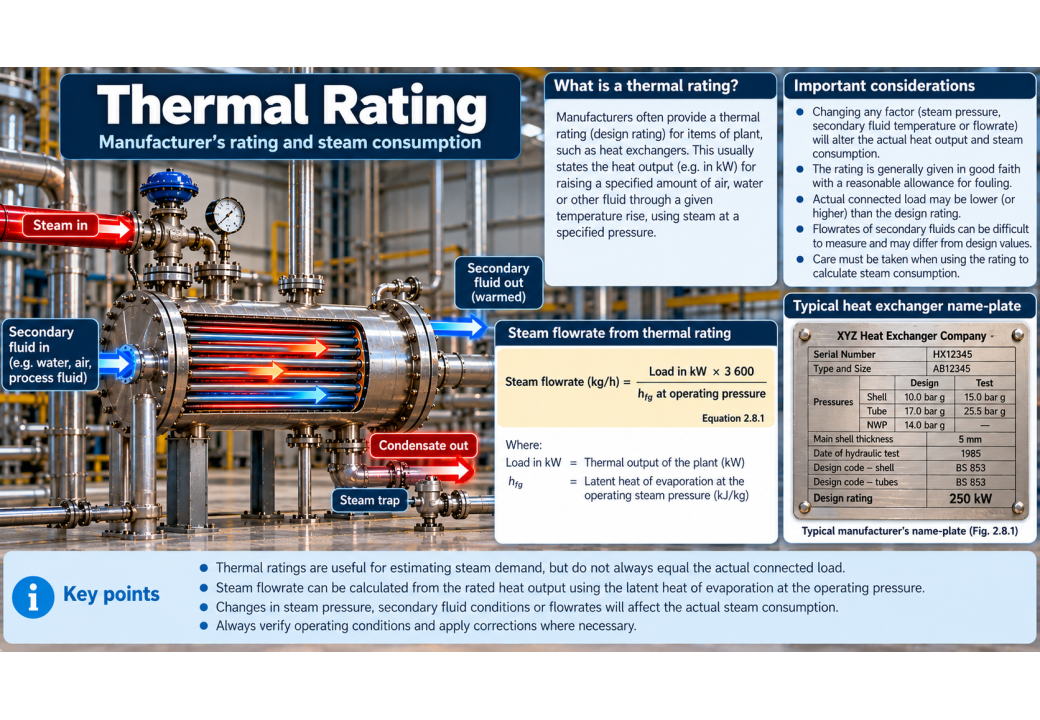
  • Steam – A Key Source of Energy and Heat in Industry
    Steam – A Key Source of Energy and Heat in Industry

    Steam is one of the most important forms of energy in industrial applications, thanks to its high thermal efficiency and ease of distribution through pipe networks. It is produced by heating water in pressurized boilers and is widely used in processes such as heating, sterilization, mechanical energy transfer, and various manufacturing operations.

    Read more
  • Industrial Globe Valves for Steam, Thermal Fluids, Process Utilities and High-Pressure Service
    Industrial Globe Valves for Steam, Thermal Fluids, Process Utilities and High-Pressure Service

    Globe valves are selected when a piping system needs positive isolation with a more controllable closing characteristic than many quarter-turn or gate-type isolation valves. In steam, condensate, hot-water, thermal-oil and process-utility systems, the seat-and-disc geometry allows progressive restriction of the flow path, so the valve can be used for isolation and, with the correct plug/disc design, limited throttling duty. The category includes bellows-sealed and packed-gland globe valves,...

    Read more
  • How to Select the Right Steam Trap for Industrial Applications
    How to Select the Right Steam Trap for Industrial Applications

    A steam trap is a self-acting valve used to discharge condensate, air, and non-condensable gases from a steam system while limiting live steam loss. Correct selection depends on the duty, not only the pipe size. A trap that works on a steam main drip leg may be unsuitable for a heat exchanger, tracing circuit, sterilizer, or pressure-reducing station. ISO classifies automatic steam traps into three main operating groups: mechanical, thermostatic, and thermodynamic. ISO/DIS 6704 is...

    Read more
  • Valves and flow equipment for the food and beverage industry
    Valves and flow equipment for the food and beverage industry

    Food and beverage plants require controlled flow in steam, hot water, chilled water, condensate, compressed air, cleaning media and auxiliary process lines. Valve selection depends on the fluid, operating temperature, pressure, cleaning method and maintenance requirements of the installation. Typical food and beverage production lines use isolation valves, control valves, check valves, safety valves, pressure reducing valves and condensate drainage equipment. Correct sizing helps limit...

    Read more
  • Valves and flow equipment for power plants and renewable energy systems
    Valves and flow equipment for power plants and renewable energy systems

    Power generation plants require controlled operation of steam, water, condensate, thermal fluid, compressed air and auxiliary service networks. Valve selection depends on pressure, temperature, fluid type, operating cycle and the safety requirements of the installation. Thermal plants, biomass systems, geothermal installations, solar thermal fields and auxiliary renewable energy units use isolation valves, control valves, check valves, safety valves, pressure reducing valves and condensate...

    Read more
  • Valves and flow equipment for the steel industry
    Valves and flow equipment for the steel industry

    Steel plants operate with cooling water, steam, condensate, compressed air, industrial gases, fuel and auxiliary fluid networks. Valves used in these circuits are selected according to pressure, temperature, fluid type, operating frequency and the environmental conditions at the installation point. Melting, casting, rolling, heat treatment and auxiliary systems use isolation valves, control valves, check valves, safety valves, pressure reducing valves and condensate removal equipment....

    Read more
|<1234567891011>|
Showing 37 to 42 of 64 (11 Pages)