


Ball Valve PN16/40 - Type 3516/3540 | JC | Philippopoulos s.a.

Ball Valve PN16/40 - Type 3516/3540 | JC

JC Ball Valve Type 3516/3540 PN16/40

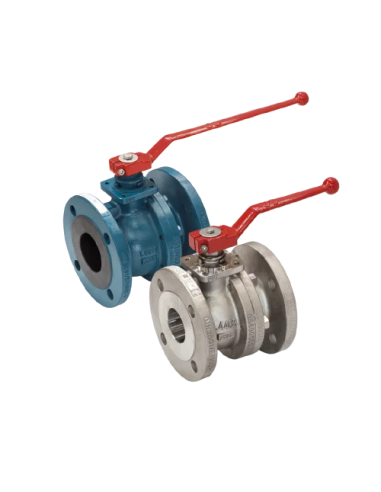
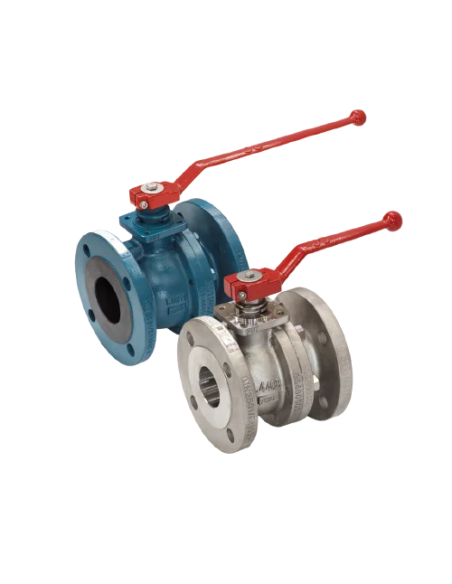
Two-way split-body, full-bore ball valve with DIN flanged ends. The valve is available in PN 16 and PN 40 pressure classes, with body materials 1.0619 carbon steel or 1.4408 stainless steel. The metallic seat configuration is AISI 316 + TCC for services where soft seats are not suitable.

Construction

  • Full-bore flow path for low pressure drop and piggable or high-flow lines where applicable
  • Split-body design for maintenance access according to valve size and installation constraints
  • Blowout-proof stem
  • Non-removable antistatic device
  • Body cavity pressure equalising hole
  • Live-loaded stem packing for improved packing load retention during thermal cycling
  • DIN flanged connection, PN 16 or PN 40

Standards and Compliance

  • PED pressure equipment requirements
  • MSS SP 55 casting visual inspection criteria
  • ATEX for potentially explosive atmospheres, when specified
  • Fire-safe design tested to API 607 / ISO 10497
  • Fugitive emissions according to ISO 15848 / TA-Luft
  • Wetted parts suitable for NACE MR0175 / ISO 15156 and NACE MR0103 / ISO 17945 sour or refinery services, subject to final material selection

Suitable Media and Operating Conditions

This valve is used for isolation duty on hydrocarbons, process gases, chemicals, petrochemical fluids, utilities, thermal oil, condensate, and services containing fine solids where a metal seat is required. Final suitability depends on pressure, temperature, corrosion allowance, differential pressure, solids content, cycling frequency, and allowable leakage class.

PN16 versus PN40 Selection

  • PN 16: used where line pressure and temperature remain within the PN 16 pressure-temperature rating of the selected body material.
  • PN 40: selected for higher design pressure, higher differential pressure, or when additional pressure margin is required by the piping specification.
  • 1.0619 body: typical for carbon steel process and utility systems compatible with the fluid.
  • 1.4408 body: used where stainless steel wetted parts are required due to corrosion, clean service, or chemical compatibility.

Sealing and Actuation Options

The AISI 316 + TCC metal seat is intended for elevated temperature service, abrasive particles, frequent operation, or conditions where seat wear would limit the use of PTFE or other soft seats. Leakage performance must be checked against the project specification.

The valve may be supplied for manual operation or with pneumatic, electric, or hydraulic actuation, including accessories such as limit switches, solenoid valves, positioners, gearboxes, and fail-open or fail-closed spring-return packages where required by the control philosophy.

Typical Industrial Use Cases

  • Oil and gas production, storage, and transfer lines
  • Chemical and petrochemical isolation duties
  • Power, pulp and paper, mining, and waste treatment plants
  • Food, pharmaceutical, and marine auxiliary systems where material compatibility is confirmed
  • Tank terminals and special-fluid handling systems

FAQ

When should the metal seat be selected?
Use the AISI 316 + TCC seat when temperature, solids, erosion, or seat wear make a soft-seated ball valve unsuitable.

What data is needed for correct valve selection?
Provide fluid, pressure, temperature range, differential pressure, required leakage class, operating frequency, flange standard, actuator requirement, and any NACE, ATEX, fire-safe, or fugitive-emission requirements.

Standard (Options)
  • DIN
Connection (Options)
  • Flanged
Material (Options)
  • 1.0619
  • 1.4408
Pressure Rating (Options)
  • PN 16
  • PN 40
Seat (Options)
  • AISI 316 + TCC

Datasheet and documents

Description

PRODUCT FEATURES

Split body, Full bore
Flanged connections
Blowout-proof stem
Non-removable antistatic devices
Cavity pressure balancing hole
Live Loaded Packing

STANDARDS

PED
Quality Standard MSS SP 55
All wetted component materials meet NACE MR0175 / ISO15156 & NACE MR0103 / ISO17945
Fire-Safe API 607, ISO 10497
Fugitive Emissions : ISO 15848 / TA-LUFT
ATEX

INDUSTRIES

Oil & Gas
Chemical & Petrochemical
Pulp & Paper
Energy & Renewable
Food & Pharma
Marine
Tank terminals
Mining
Waste treatment
Special fluids transport

Certificates

Fugitive Emissions ISO 15848 TA LUFT (VDI 2440)

PED 2014/68/EU - CE marking

ATEX 2014/34/EU– (II2GD)

Russian Federation Certificate TRCU 10, TRCU 12, TRCU 32

Food processing and pharmaceutical industry FDA, USP CLASS VI COMPLIANCE (CE 1935/2004)

Safety Integrity Level (SIL) LEVEL 3 IEC 61508