


Ball Valve Floating Ball | Fluitek | Philippopoulos s.a.

Ball Valve Floating Ball | Fluitek

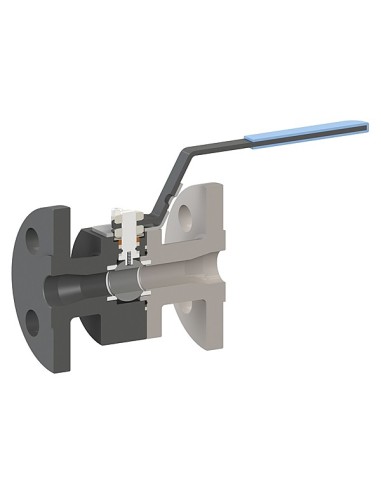
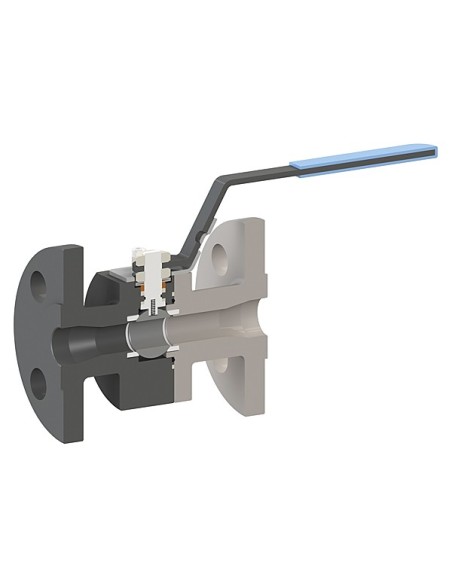
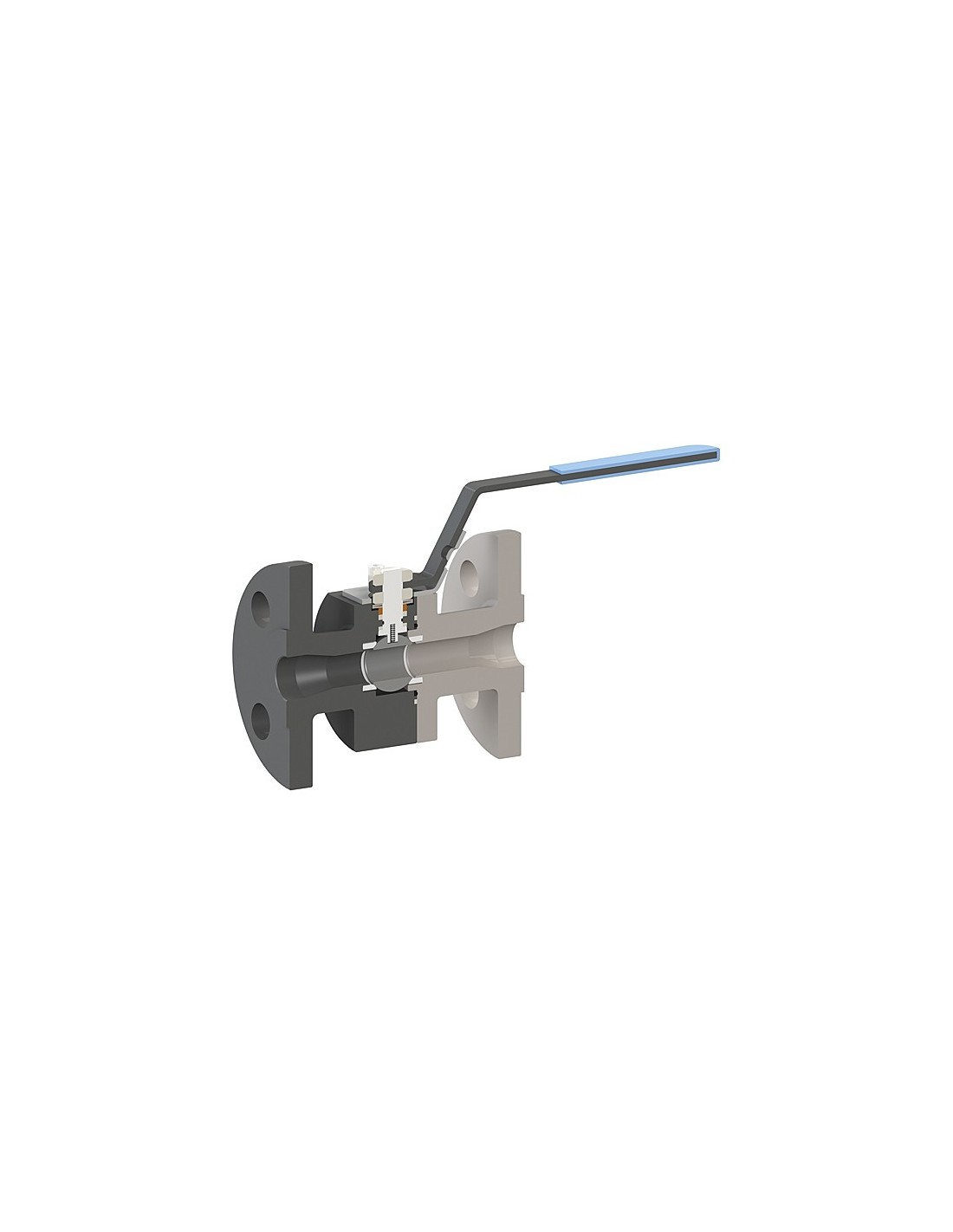
Fluitek Floating Ball Valve

Two-way floating ball valve for on/off isolation in industrial liquid and gas services. Line pressure pushes the ball against the downstream seat, generating the sealing load required for tight shut-off.

Construction

  • Two-piece or three-piece body, bolted or threaded construction
  • Materials: carbon steel, stainless steel, duplex, super duplex, nickel alloys, titanium, aluminium bronze
  • Anti-blowout stem design
  • Automatic body cavity pressure relief through floating ball geometry
  • End connections: ASME B16.5 RF, FF or RTJ flanges, socket weld, butt weld, female threaded ends

Standards and Certifications

Design in accordance with API 6D and ISO 17292 / BS 5351. Antistatic execution to API 6D and ISO 17292. Fire-safe configurations are available to BS 6755, API 6FA and API 607, using graphite secondary seals and metal contact after soft-seat degradation. Available certifications include PED 2014/68/EU, ATEX 2014/34/EU, IEC 61508 SIL and API 6D.

Seat and Service Variants

  • Soft seated: used for clean liquids and gases where low operating torque and bubble-tight isolation are required.
  • Metal-to-metal seated: selected for temperatures above 250°C, abrasive fluids, slurry, suspended solids or services with deposits. Ball and seat hard facing can be supplied in tungsten carbide or chromium carbide.
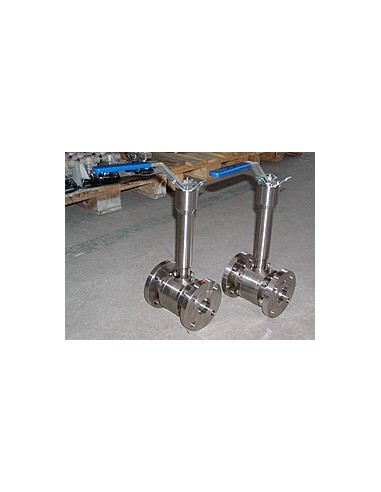
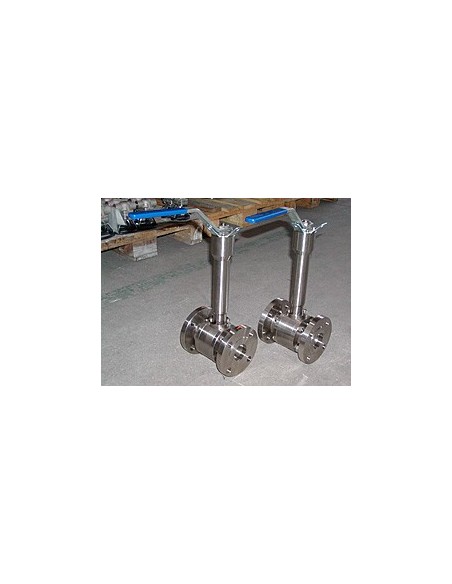
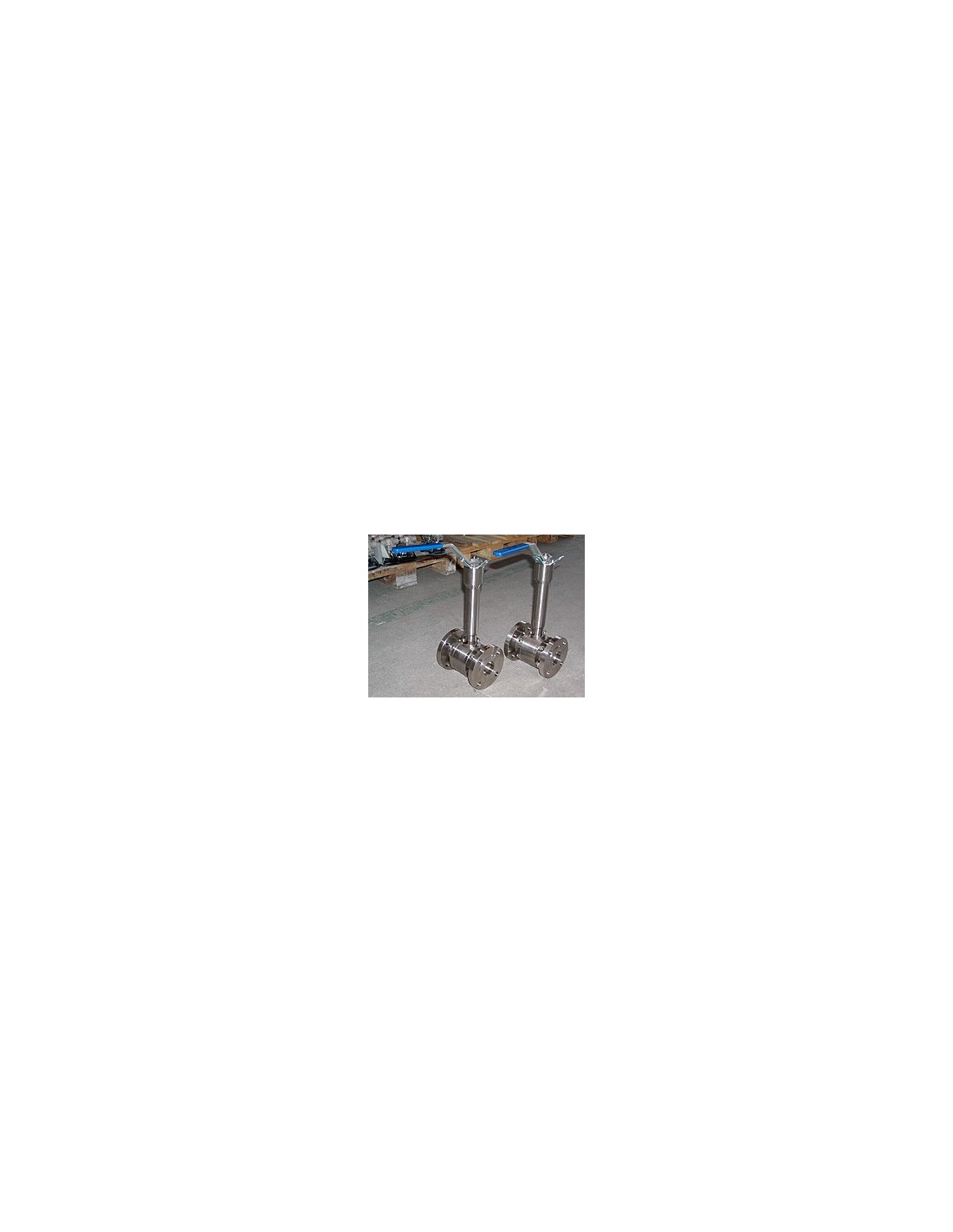
  • Cryogenic: stainless steel construction with PCTFE or metal seats, lip seals and extended stem according to BS 6364 for low-temperature operation.

Actuation and Operation

Manual operation is by lever or gearbox, depending on valve size, pressure class and torque. Automation options include electric, pneumatic, hydraulic and gas-over-oil actuators for remote isolation, ESD duties or process interlocking.

Typical Applications and Media

  • Chemical and petrochemical process units
  • Natural gas, fuel gas, liquid fuels and utility systems
  • Water, steam, condensate and thermal fluids
  • High-temperature or corrosive services, subject to correct body, trim and seat material selection

Selection Notes

Soft seats are normally preferred for clean isolation duties. Metal seats are used when temperature, erosion or solids can damage polymer seats. Cryogenic valves require stem extension and sealing materials compatible with thermal contraction and low-temperature cycling.

FAQ

When is a floating ball valve suitable?
For shut-off service where pressure-assisted downstream seat sealing is acceptable and operating torque remains within manual or actuator limits.

Is it suitable for throttling?
No. It is primarily an isolation valve. Continuous throttling can damage seats and increase leakage risk.

What affects leakage performance?
Seat material, differential pressure, temperature, cleanliness of the medium, cycling frequency and maintenance condition.

Description

They are characterized by simple design, easy maintenance, low cost and quick delivery. Body construction can be two or three pieces, bolted or screwed body, made by forging, forged or rolled bar. Wide range of materials: carbon steels, austenitic or martensitic SS, duplex-superduplex SS, nickel-based alloys, titanium, aluminium-bronze and other exotic materials. Valve main technical features include automatically self relieving body cavity (due to floating ball) and anti blow-out stem. Main reference codes:

  • Standard design in accordance with API 6D and ISO 17292/BS 5351.
  • Antistatic design as per API 6D and ISO 17292.
  • Valve ends can be flanged (RF, FF, MF or FF, RTJ) according to ASME B16.5, Socket Welding, Butt-Welding, Female Threaded etc
  • Fire Safe according to BS6755 / API 6FA / API 607, since each sealing point is provided by a secondary fire-safe seal in graphite. Valve soft seats also are provided with secondary metal-to-metal seal in case of fire.

Floating ball valves can be manual operated (lever or gearbox depending on valve size), but also equipped with an actuator (electric, pneumatic, hydraulic, gas-over-oil etc.).

Standard design is soft seated and lever operated, the following special designs are also available:

  • CRYOGENIC (see specific section): full austenitic stainless steel valve, provided with PCTFE or metal seat, lipseals as static and dynamic seals, stem extension according to BS6364 (or as per customer requests).
  • METAL-TO-METAL SEAT: for high temperatures (larger than 250°C) or dirt/slurry service, Floating Ball Valves can be provided with a spring-energized seat, and hard facing on seat and ball contact surfaces (Tungsten or Chromium Carbide).
  • STEM EXTENSION. For special applications the operator (lever/gear/actuator) can be lifted by an extension fixed to valve body, and a joint coupled to the stem.

The following optional features are also available:

  • Locking device
  • Body drain connection
  • SS lever group
  • Dead man’s handle

Certifications