


Swing Check Valve - Bolted Bonnet | Fluitek | Philippopoulos s.a.

Swing Check Valve - Bolted Bonnet | Fluitek

Fluitek Bolted Bonnet – Swing Check Valve

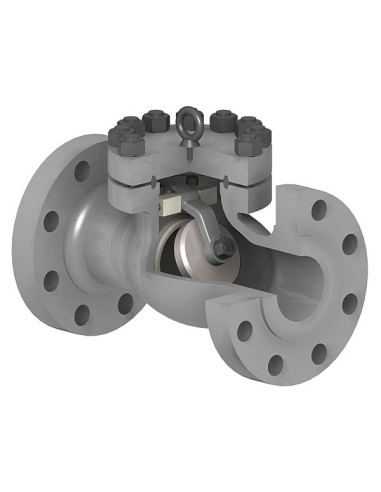
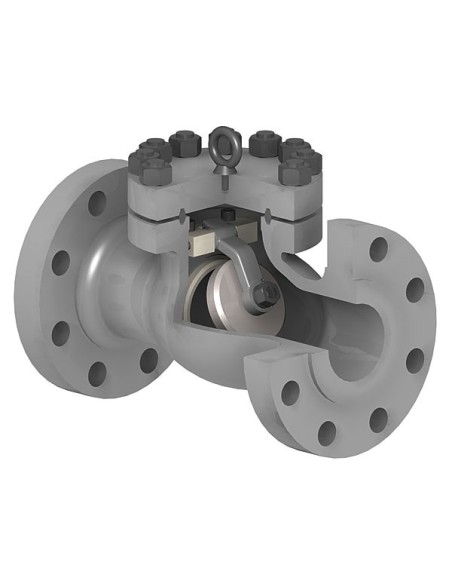
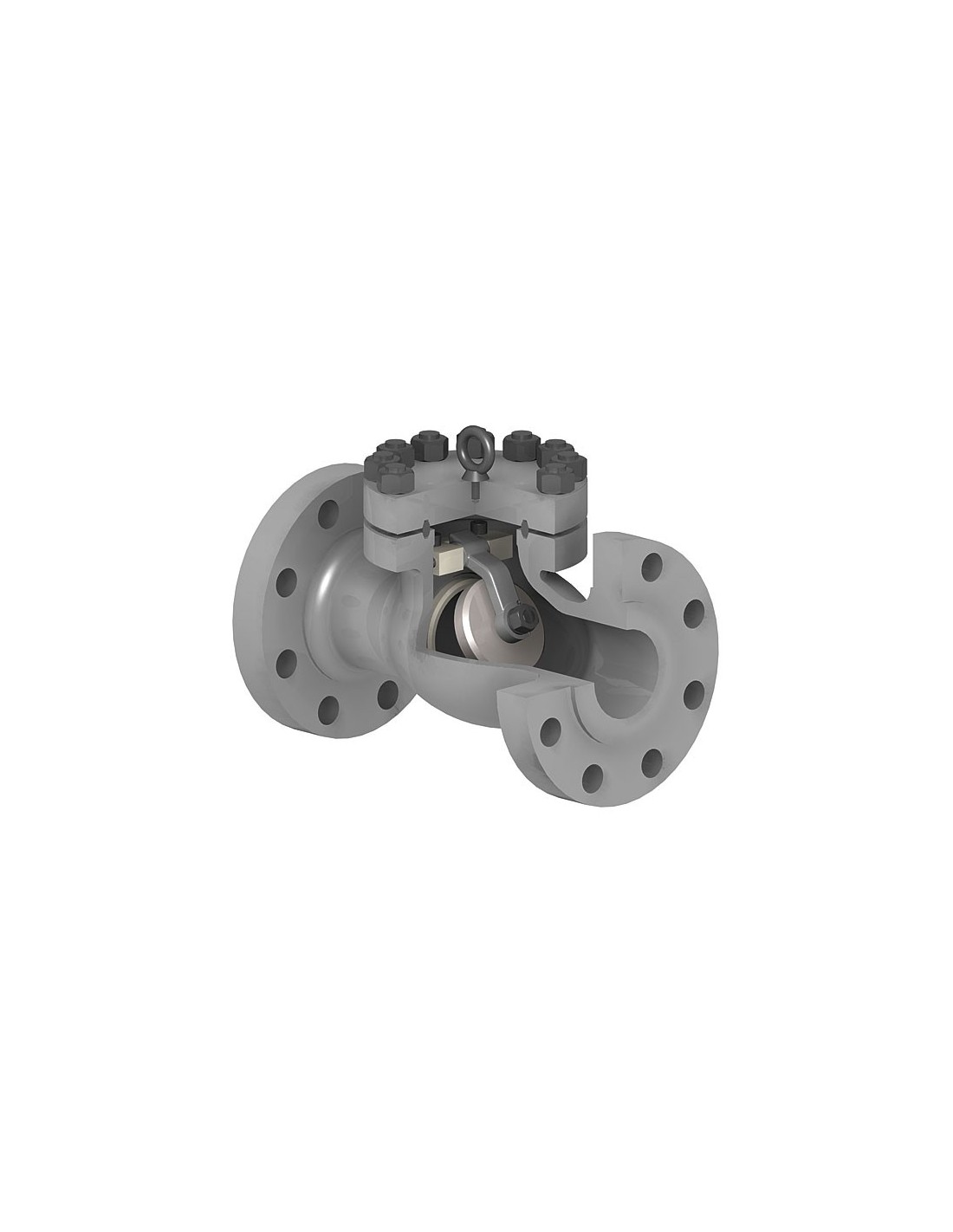
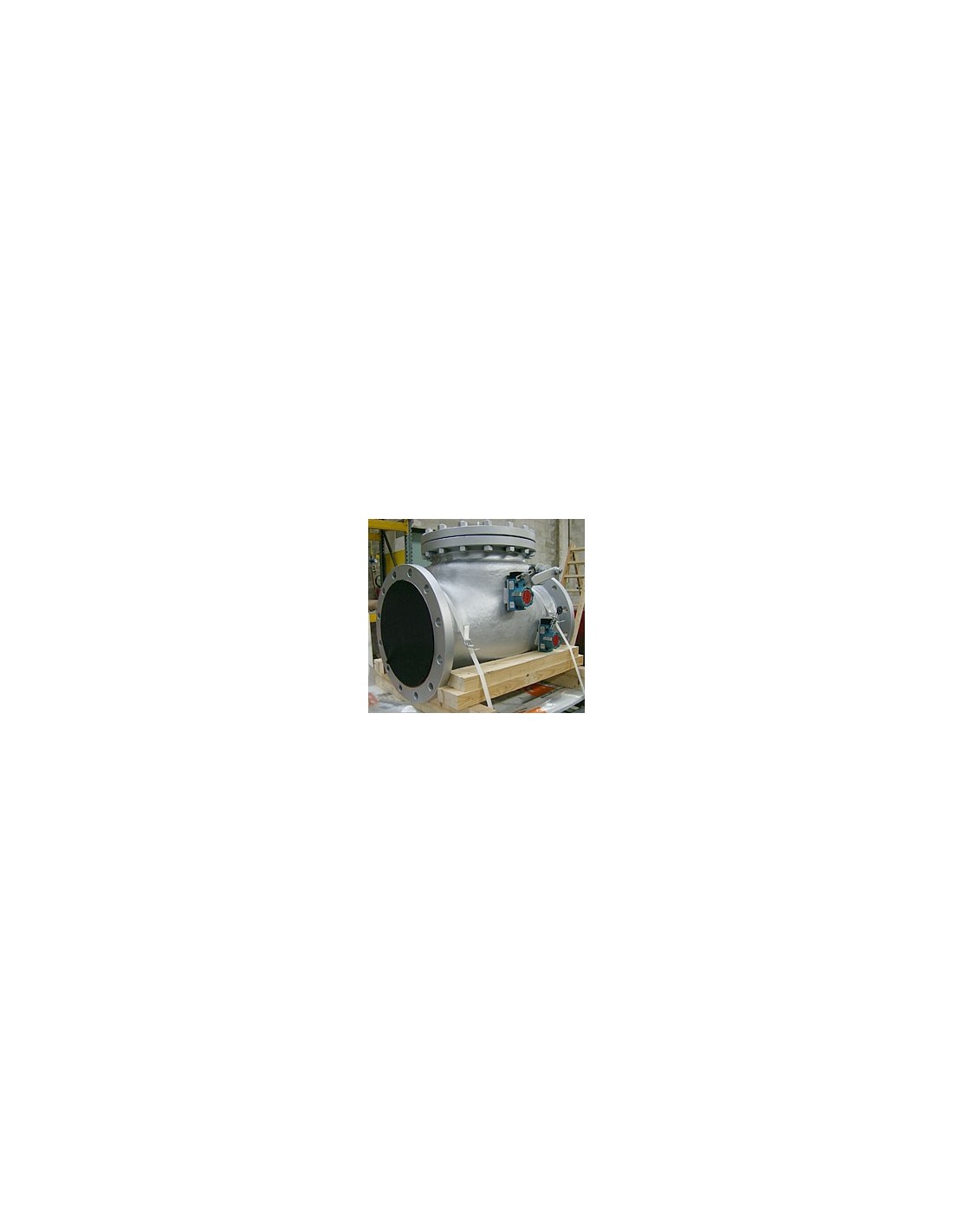
The Fluitek Bolted Bonnet is a swing check valve with a bolted cover, designed to prevent reverse flow in industrial ANSI pipelines. The disc opens with forward flow and closes automatically when differential pressure decreases or reverses. No actuator is required for operation.

Standards and Pressure Classes

This valve series is manufactured in accordance with API 6D, API 594, and BS 1868. EN/ISO standards are also available on request. Typical pressure classes include ANSI Class 150, 300, and 600. Standard end connections are flanged. Body materials include cast carbon steel, austenitic stainless steel, low temperature carbon steel, high strength carbon steel, and low alloy steel.

Construction

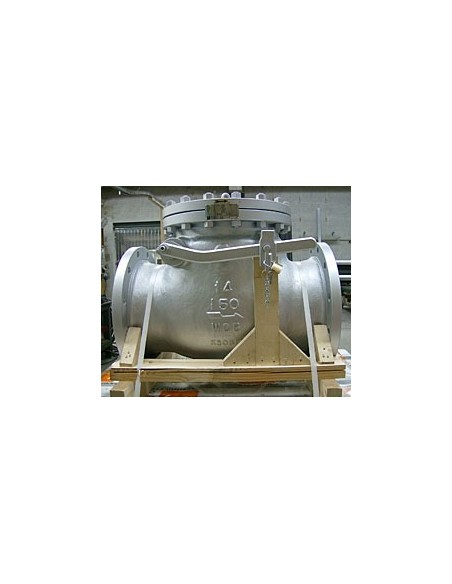
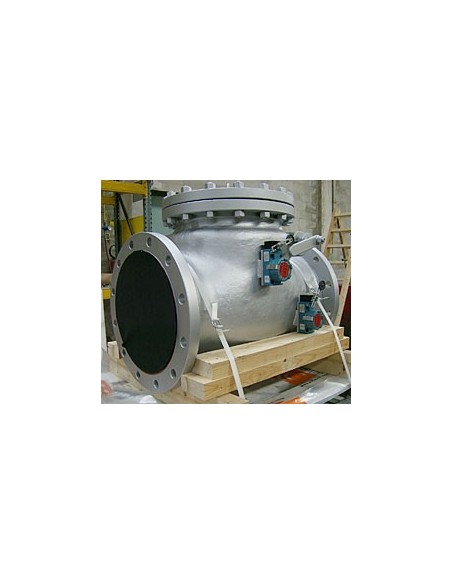
Available in versions with internal hinge pin or with hinge pin accessible from the body side. The latter allows for additional features such as:

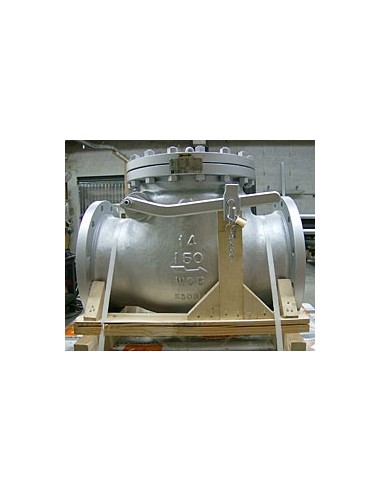
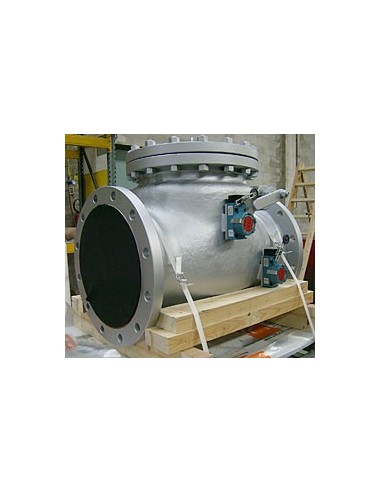
  • Position indicator, with or without limit switches
  • Locking system in open position
  • External anti-slam counterweight
  • Rotary dashpot mounted externally on the hinge pin

Reference Dimensions

Technical datasheets provide indicative sizing for ANSI Class 600 from 2" to 30". Larger sizes are available upon request. Weight increases significantly with size (e.g., 24" ≈ 2340 kg, 30" ≈ 3400 kg), requiring verification of pipe supports and flange loadings.

Applications

Suitable for water, steam, condensate, hydrocarbons, gases, and thermal fluids, provided body and trim materials, pressure, temperature, and media compatibility are confirmed. Commonly installed with bolted bonnet gate or globe valves in on/off isolation lines.

Selection Considerations

Selection should be based on pressure class, NPS, flow rate, pressure drop, flow velocity, and risk of slam. For pump stations, large diameters, or transient conditions, consider counterweight or dashpot options.

FAQ

When is a bolted bonnet preferred over a pressure seal?
Typically used in ANSI lines with low to medium ratings, usually Class 150–600.

Is minimum flow verification required?
Yes. Low flow can cause unstable disc movement and seat wear.

Standard (Options)
  • ANSI
Connection (Options)
  • Flanged
Material (Options)
  • Carbon Steel
  • Austenitic Stainless Steel
  • Low Temperature Carbon Steel
  • High Strength Carbon Steel
  • Low Alloy Steel
Pressure Rating (Options)
  • 150 lbs
  • 300 lbs
  • 600 lbs

Datasheet and documents

Description

Most used standard of reference are API 6D, regular opening, API 594, BS 1868. EN and ISO standard can also be referred to.

Constructions with internal hinge pin are available, together with the more traditional construction with hinge pin inserted from the side. The latter allows application of optional requests, such as position indicator (with or without limit switches), locking systems in the open position (to exclude the unidirectional non return function), anti-slam external counter weights. A rotary anti-slam system applied to the external part of the hinge pin is also available (industry calls it “dash pot system”).

Materials available include carbon steel, low temperature carbon steel, low alloy steel, austenitic stainless steels, austenitic-ferritic duplex stainless steel, nickel alloys. ANSI classes normally available are 150#, 300# and 600#.

Certifications