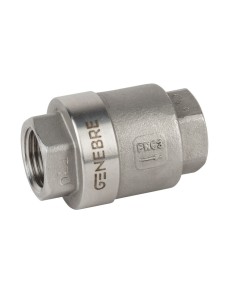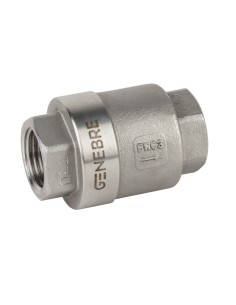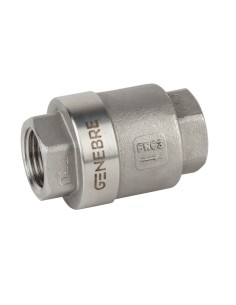

Check Valves
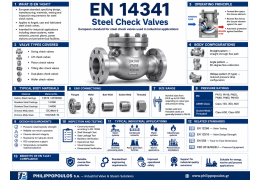
Check valves are used to prevent reverse flow automatically in steam, condensate, water, compressed air, oil, hydrocarbon, chemical fluid, and auxiliary process utility systems. Selection should be based on DN, PN or ANSI Class, flow rate, cracking pressure, available differential pressure, pressure loss under steady-state flow, installation position, risk of water hammer, and material compatibility with the process medium.
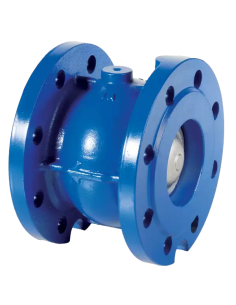
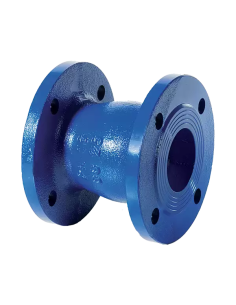
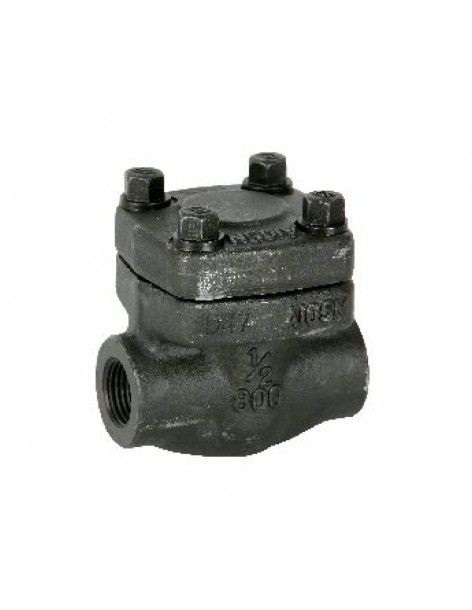
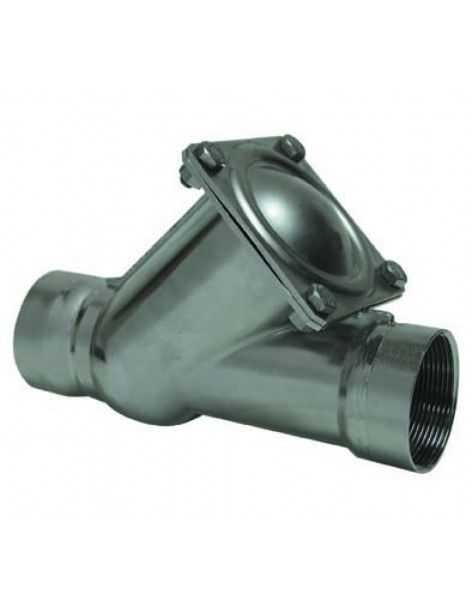
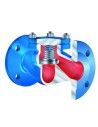
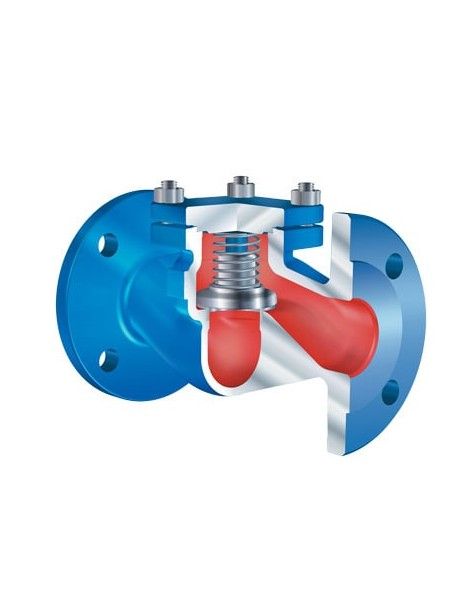
Piston check valves are applied in lines where controlled closing action and mechanical stability under pressure variation are required. ARI CHECKO V is available in straight-through, angle, and Y-pattern configurations, with flanged or butt-weld ends, in cast iron, ductile iron, carbon steel, and stainless steel 1.4408, with pressure ratings from PN6 to PN40.
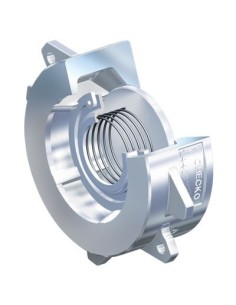
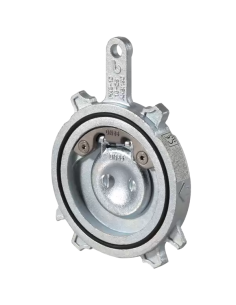
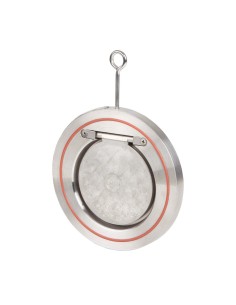
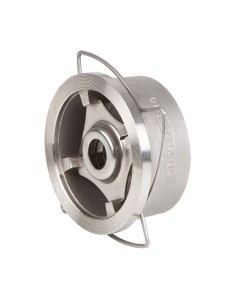
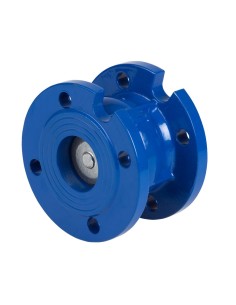
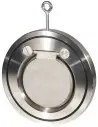
Wafer spring-loaded disc check valves are used where short face-to-face length and rapid disc return are required. ARI CHECKO D is specified in stainless steel 1.4408, PN40, for smaller sizes DN15 to DN100, with metal seat or optional soft sealing depending on shut-off and media requirements.
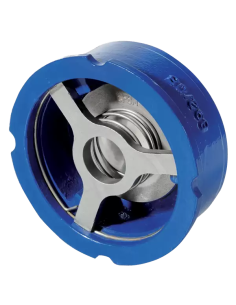
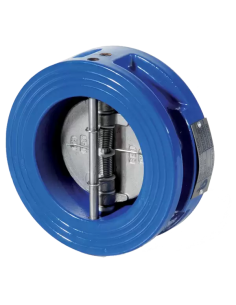
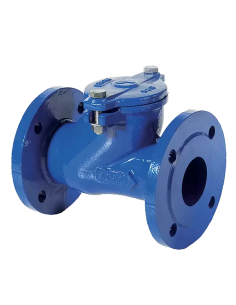
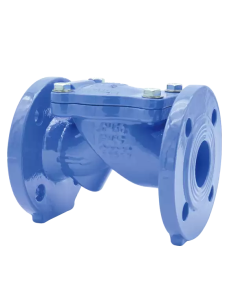
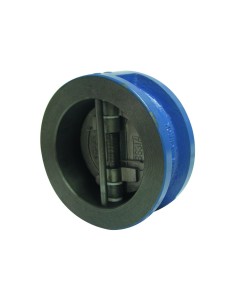
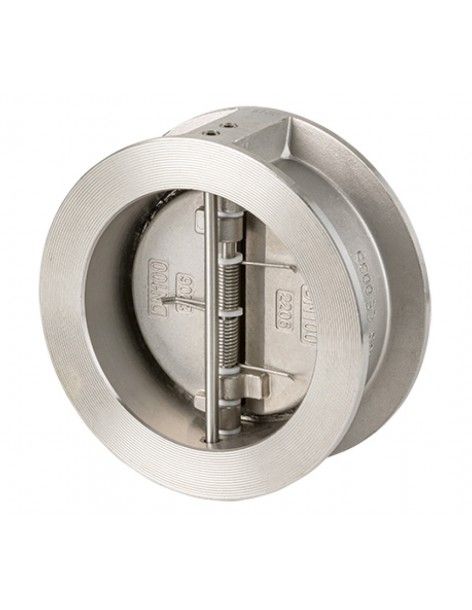
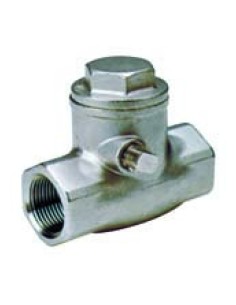
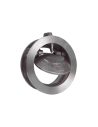
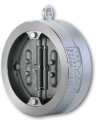
Dual-plate and swing check valves are typically selected for larger diameters and for water distribution, HVAC networks, pump stations, water treatment, and general industrial service. Brandoni D6 is a dual-plate wafer design with body material EN-GJL-250 or ASTM A351 CF8M, PN10/PN16, and EPDM seat. Swing wafer type 06-M6 covers PN6 to PN25, with ASTM A216 WCB or CF8M construction and seat materials including FKM, NBR, or PTFE.
During installation, flow direction, horizontal or vertical orientation, distance from pumps and elbows, pulsating service conditions, and fluid cleanliness must be checked. Maintenance is focused on the seat, disc, spring, hinge, or ball, since wear, fouling, or deposits can lead to internal leakage, noise, chatter, slam, and unintended pressure backflow.