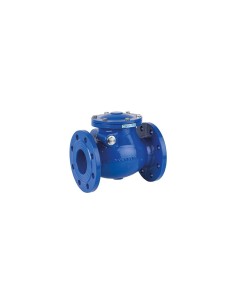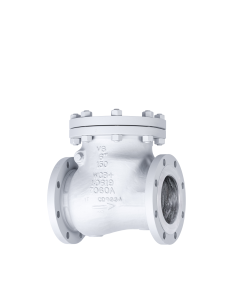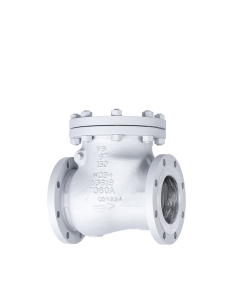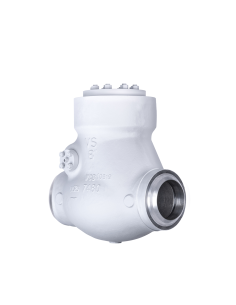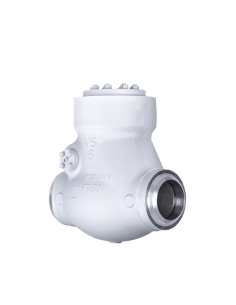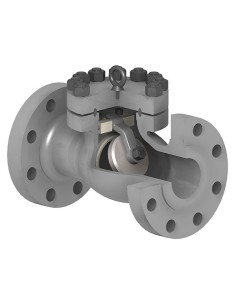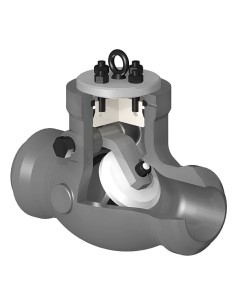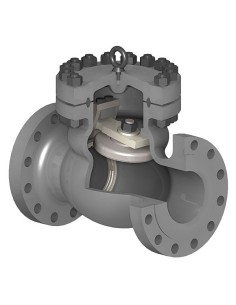

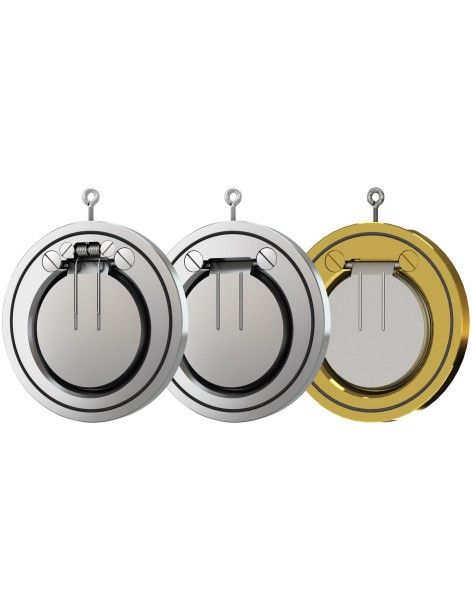
Swing
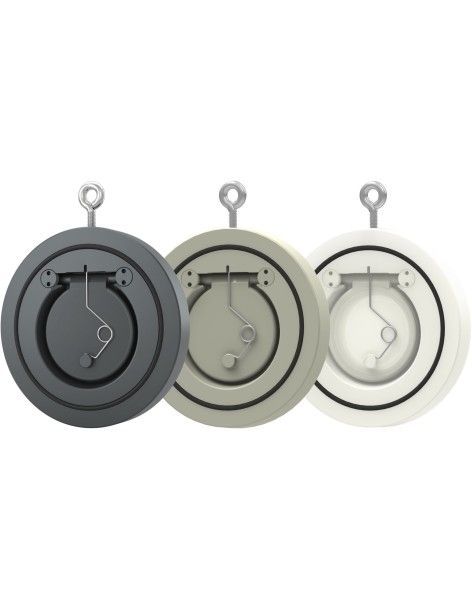
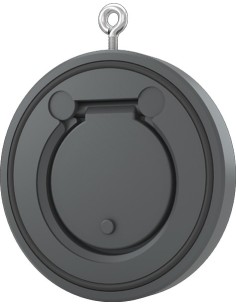
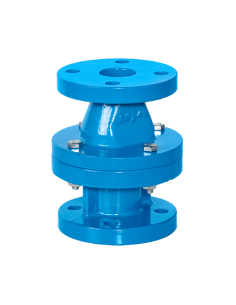
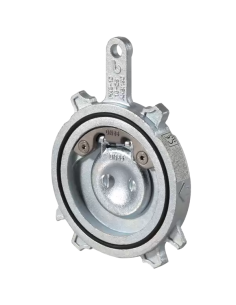
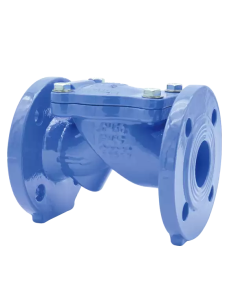
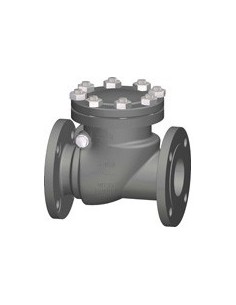
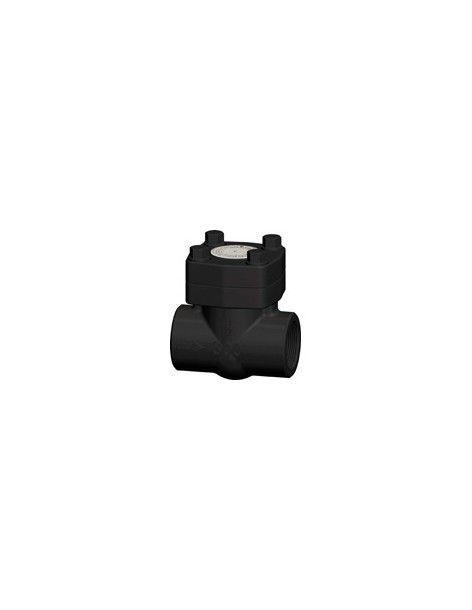
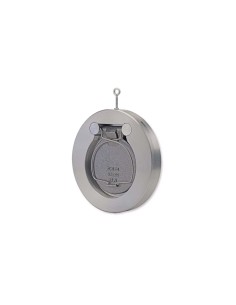
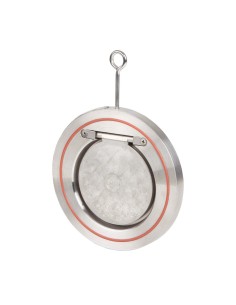
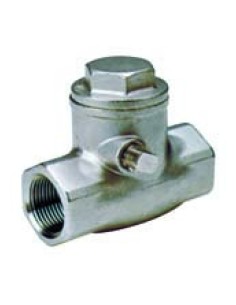
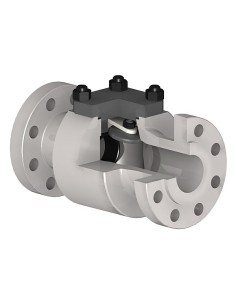
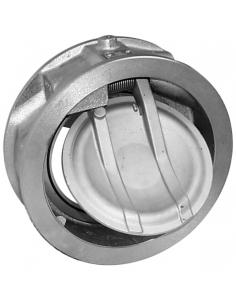
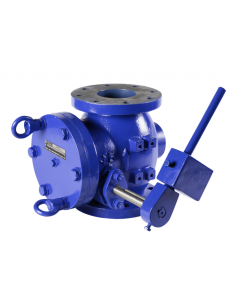
Swing check valves are used to prevent reverse flow in water, steam, condensate, compressed air, technical gases, oils, hydrocarbons, and industrial liquid service. Operation is based on a hinged disc or flap that opens under forward flow and returns to the seat when flow velocity drops or back pressure develops. The category includes AWS, Zubi, Brandoni, Comeval, Gestra, Genebre, Valvosider, Fluitek, Cla-Val, Mei, and Neway designs in flanged, wafer, bolted bonnet, pressure seal, forged steel, piggable, and cryogenic construction.
Valve selection should be based on service medium, flow rate, minimum opening pressure, allowable pressure drop, installation orientation, line velocity, water hammer risk, back pressure, and required seat tightness. In pump discharge lines and large-diameter piping, the dynamic closing behavior of the disc should be checked to limit slam during flow reversal. In steam and condensate service, the installation point should be drained, liquid entrapment should be avoided, and thermal expansion effects should be considered. Wafer designs reduce face-to-face length, while pressure seal and forged steel constructions are used for higher pressure and temperature duty.
Available standards include DIN, ANSI, and JIS, with pressure ratings from PN6 to PN420, ASME Class 125 to 4500, and JIS 10K depending on series. End connections include BSP, NPT, ISO 7 Rp, ISO 228-1, flanged, wafer, socket weld, and butt weld. Body materials include EN-GJL-250, EN-GJS, 1.0460, 1.0619, 1.4408, 1.4469 super duplex, ASTM A105N, ASTM A216 WCB, ASTM A217 WC6/WC9, ASTM A351 CF8/CF8M/CF3M, carbon steel, alloy steel, stainless steel, duplex, nickel alloys, PVC, PP, and PVDF. Seat materials include bronze C954, EPDM, FKM, NBR, and PTFE.