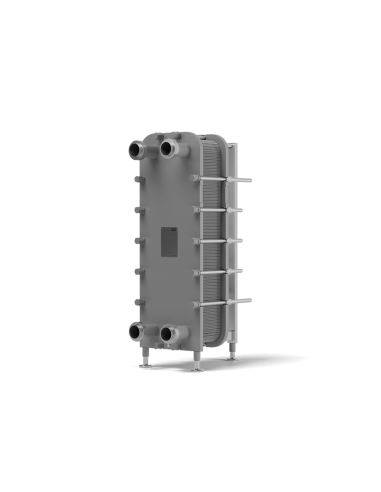


Sanitary plate heat exchangers | Sondex/Danfoss

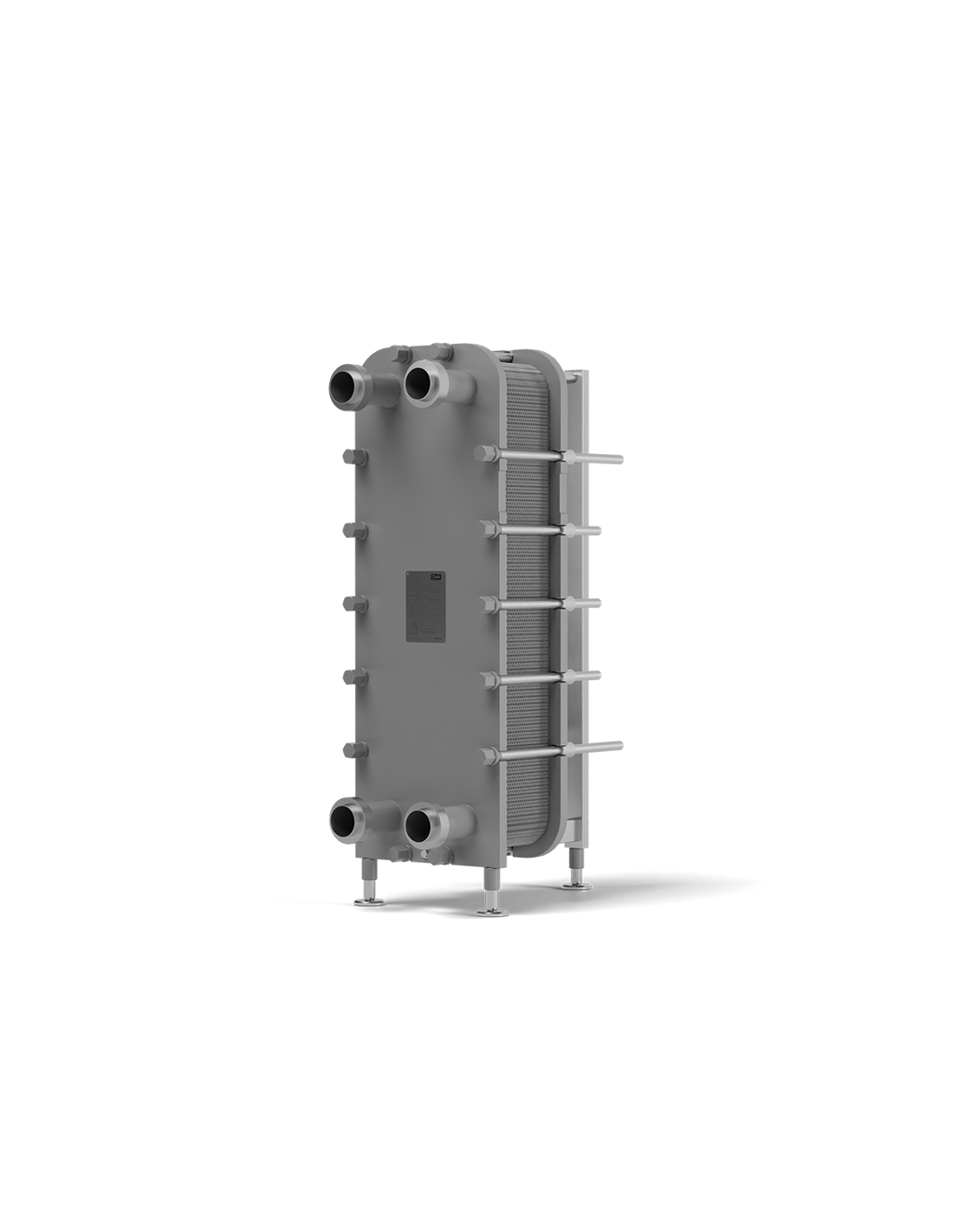
SONDEX® / Danfoss Hygienic Plate Heat Exchangers
Hygienic plate heat exchangers are utilized in processes requiring controlled residence time, stable temperature profiles, and the ability to clean without full disassembly. This series is designed for applications in food, dairy, beverages, and other productions with stringent hygiene requirements. Materials in contact with the product comply with FDA standards.
Process Applications
Typical uses include:
- pasteurization of milk, juices, and soft drinks,
- regenerative pasteurization with heat recovery,
- heating or cooling products before filling,
- CIP circuits in food and beverage lines,
- industries with sanitary heat transfer requirements.
Selection Criteria
Selection is not solely based on required power. Considerations include:
- product and auxiliary medium flow rates,
- inlet/outlet temperatures,
- allowable pressure drop,
- viscosity, product sensitivity, and fouling,
- CIP program, cleaning chemicals, and wash temperatures.
Plate geometry affects turbulence, residence time, and thermal stress on the product. In pasteurization, temperature profile stability is a critical design element.
Technical Specifications
Available versions cover connections DN25–DN800, flow rates up to 1,600 m³/h, operating pressure up to 25 bar, and temperatures from -20 °C to 180 °C, depending on gasket and configuration. Frames are designed according to PED 2014/68/EU, EN 13445, and ASME Section VIII Div. 1.
Materials and Sealing
Plates are available in AISI 304, AISI 316, titanium, SMO, and Hastelloy. Gaskets are selected in EPDM-HT, NBR-HT, or Viton, based on temperature, fats, pH, and CIP chemicals.
FAQ
When to choose a hygienic heat exchanger?
When the product requires controlled thermal processing, CIP cleaning, and materials suitable for food contact.
When is a regenerative setup needed?
When the heat of the outgoing product can preheat the incoming, reducing the thermal load of the process.
What data is required for sizing?
Flow rates, temperatures, product properties, operating pressure, pressure drop limits, materials, CIP program, and available installation space.
Datasheet and documents

Description
Tap to zoom