
Plate Ηeat Εxchangers
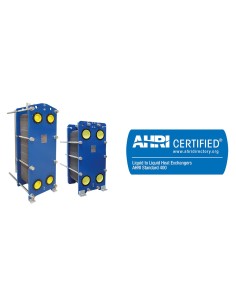
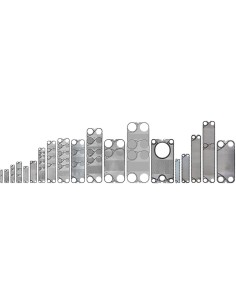
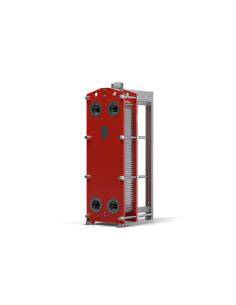
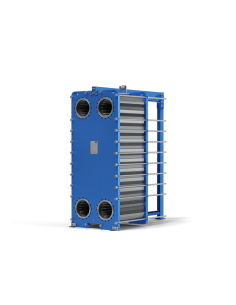
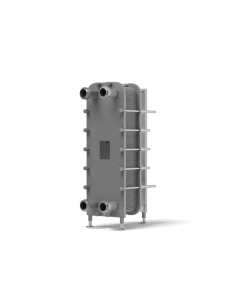
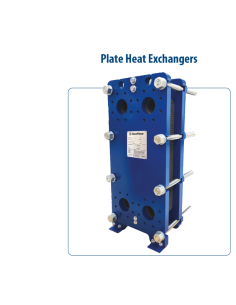
Plate heat exchangers are used to transfer heat between two fluids without cross-contamination in heating and cooling networks, domestic hot water systems, heat recovery duties, industrial process service, marine installations, food and beverage lines, and refrigeration plants. The category includes gasketed plate heat exchangers, brazed plate heat exchangers, free-flow plate designs, semi-welded units for ammonia refrigeration, sanitary plate heat exchangers, and replacement plates from SonFlow and Sondex/Danfoss.
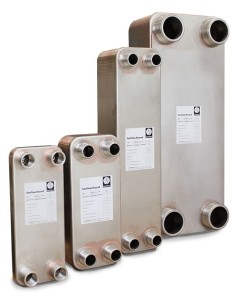
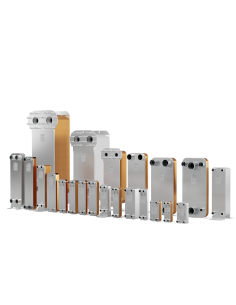
Selection is based on heat duty, primary and secondary flow rates, inlet and outlet temperatures, allowable pressure drop, fouling factor, viscosity, solids content, plate and gasket chemical compatibility, and cleaning requirements. Gasketed designs can be opened for inspection, mechanical cleaning, gasket replacement, and capacity adjustment by adding or removing plates. Brazed plate heat exchangers are permanently sealed, without elastomer gaskets, typically with AISI 316 plates and copper brazing, and are used in compact HVAC, refrigeration, heat pump, marine, and general heating/cooling duties.
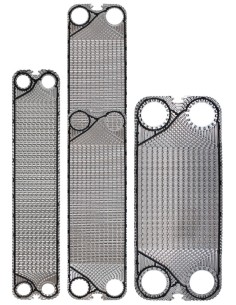
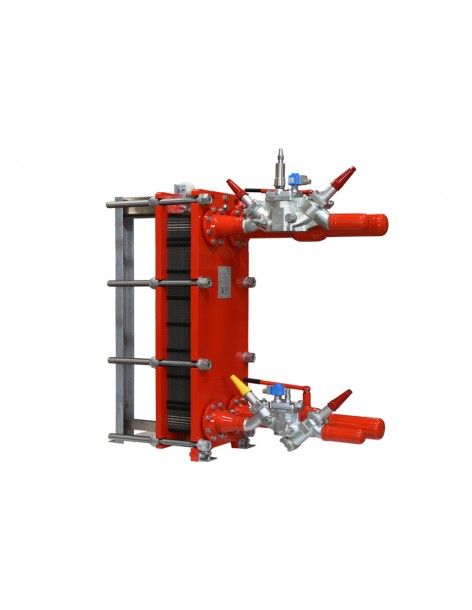
For fluids containing fibres, suspended solids, particulate matter, or elevated viscosity, free-flow plate patterns should be considered. These use wider channels and fewer contact points along the flow path to reduce blockage risk, maldistribution, and localized temperature deviation. In industrial refrigeration using natural refrigerants, semi-welded Sondex/Danfoss units are applied as condensers, flooded or pumped evaporators, subcoolers, desuperheaters, economizers, and oil coolers, with operating temperatures from -40 to 150 °C and design pressures up to 40 bar.
Available materials include AISI 304, AISI 316, titanium, SMO, and Hastelloy plates, with EPDM-HT, NBR-HT, or Viton gaskets selected according to media composition and temperature. Standard Sondex/Danfoss units cover connection sizes from DN25 to DN600, flow rates up to 7,200 m³/h, operating pressures up to 35 bar, and temperatures from -20 to 180 °C. Sanitary versions use FDA-compliant materials, support CIP cleaning, and are available with DN25 to DN800 connections, flow rates up to 1,600 m³/h, pressures up to 25 bar, and temperatures from -20 to 180 °C.