
Heat Exchangers
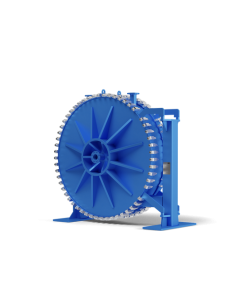
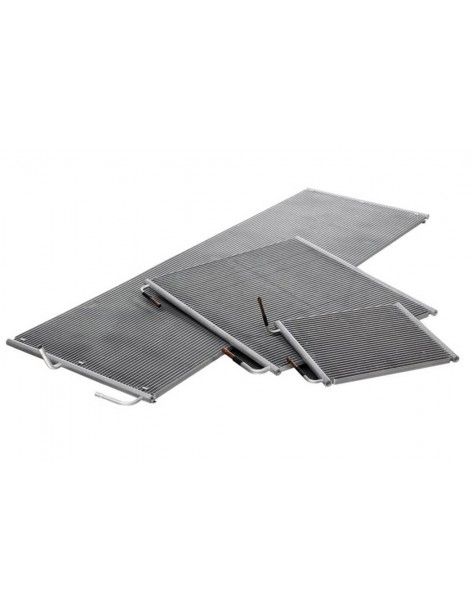
Heat exchangers are used for controlled transfer of thermal energy between two fluids without cross-mixing, in steam, hot water, chilled water, condensate, glycol, oil, process liquid, industrial refrigeration, and heat recovery duties. Selection should be based on heat load in kW, inlet and outlet temperatures, available temperature approach, flow rates, allowable pressure drop, fouling factor, corrosion risk, and required cleanability.
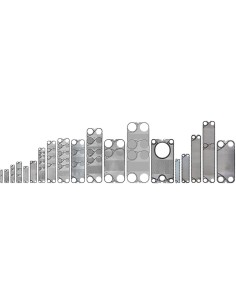
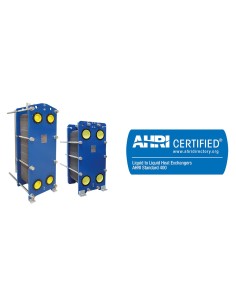
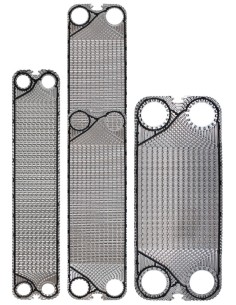
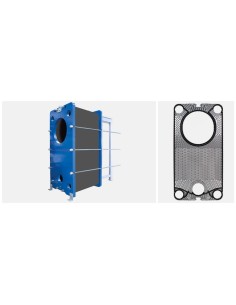
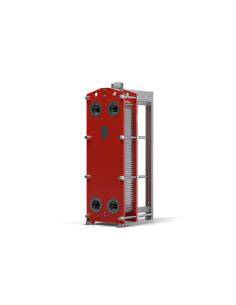
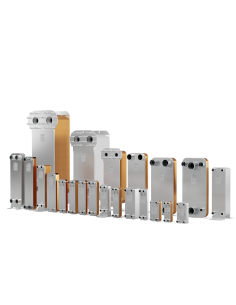
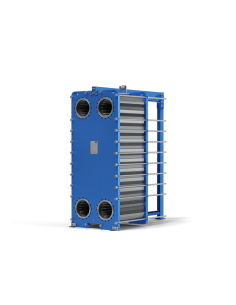
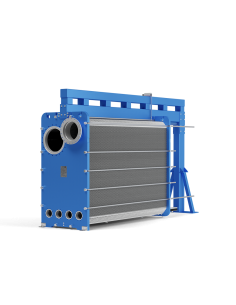
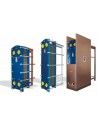
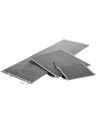
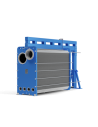
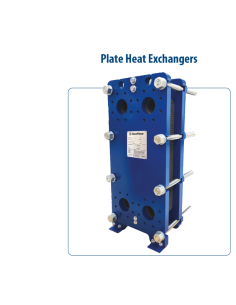
Gasketed plate heat exchangers are applied where plate access is required for mechanical cleaning, gasket replacement, or modification of heat transfer area. Plate materials may be specified in stainless steel, titanium, or nickel alloys according to fluid chemistry and operating temperature. Plate corrugation geometry affects the heat transfer coefficient, turbulence level, pressure loss, and fouling tendency.
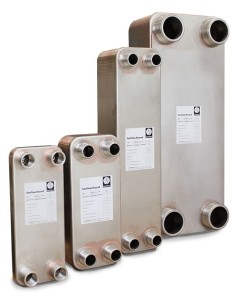
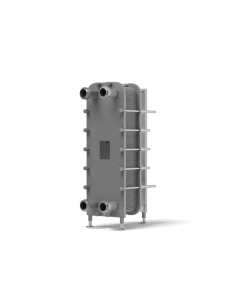
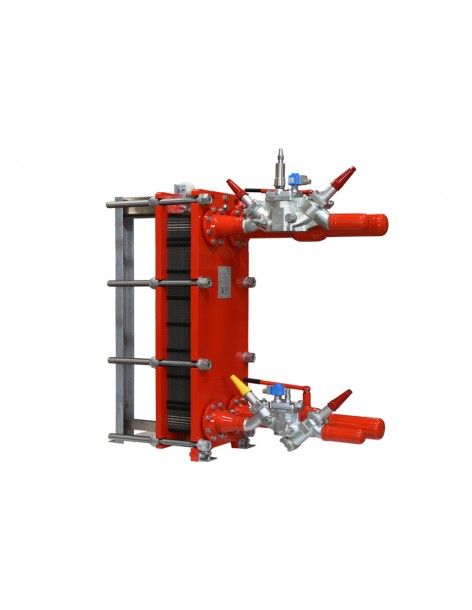
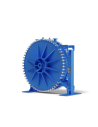
Welded and semi-welded plate heat exchangers are used where reduced atmospheric leakage risk is required or where refrigerants such as ammonia must be handled. Semi-welded units for industrial refrigeration are used as condensers, evaporators, sub-coolers, desuperheaters, economizers, and oil coolers, with a stated operating range of -40°C to 150°C and pressures up to 40 bar.
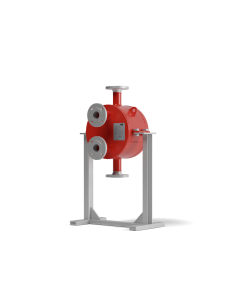
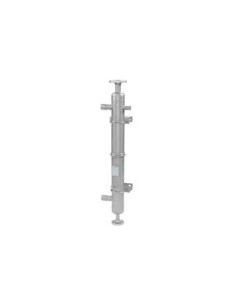
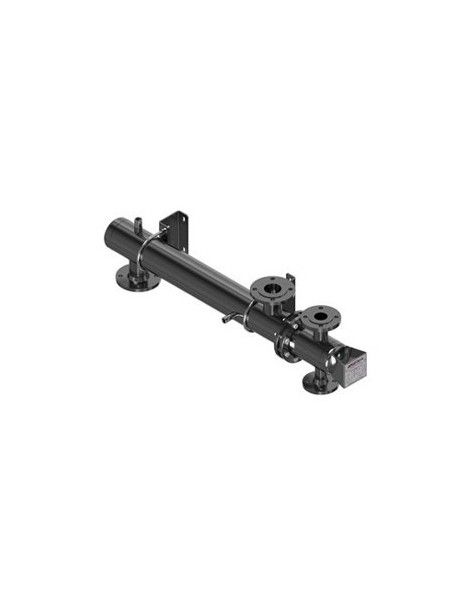
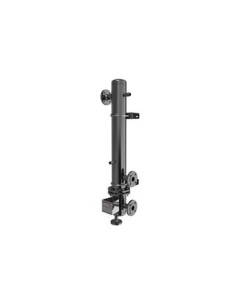
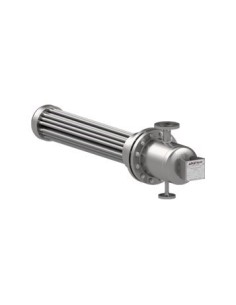
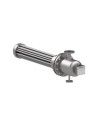
Shell-and-tube heat exchangers and tubular elements are generally selected for steam service, higher mechanical stress, separation of shell-side and tube-side circuits, or where tube bundle replacement is required for maintenance. ADCA STS and R types are referenced with stainless steel construction, EN or ASME connections, maximum pressure 16 bar, and operating temperature up to 250°C.
Maintenance should include monitoring of differential pressure, thermal duty, leakage between circuits, gasket condition, fouling, and corrosion. In steam service, proper condensate drainage, air venting, and protection against water hammer are required to maintain heat transfer stability and avoid mechanical damage.