

Free Flow plate heat exchangers | Sondex/Danfoss

SONDEX® / Danfoss Free Flow Plate Heat Exchangers
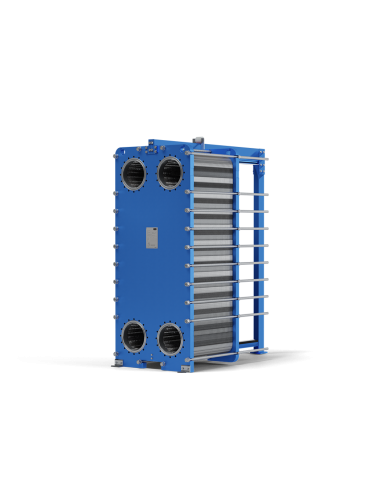
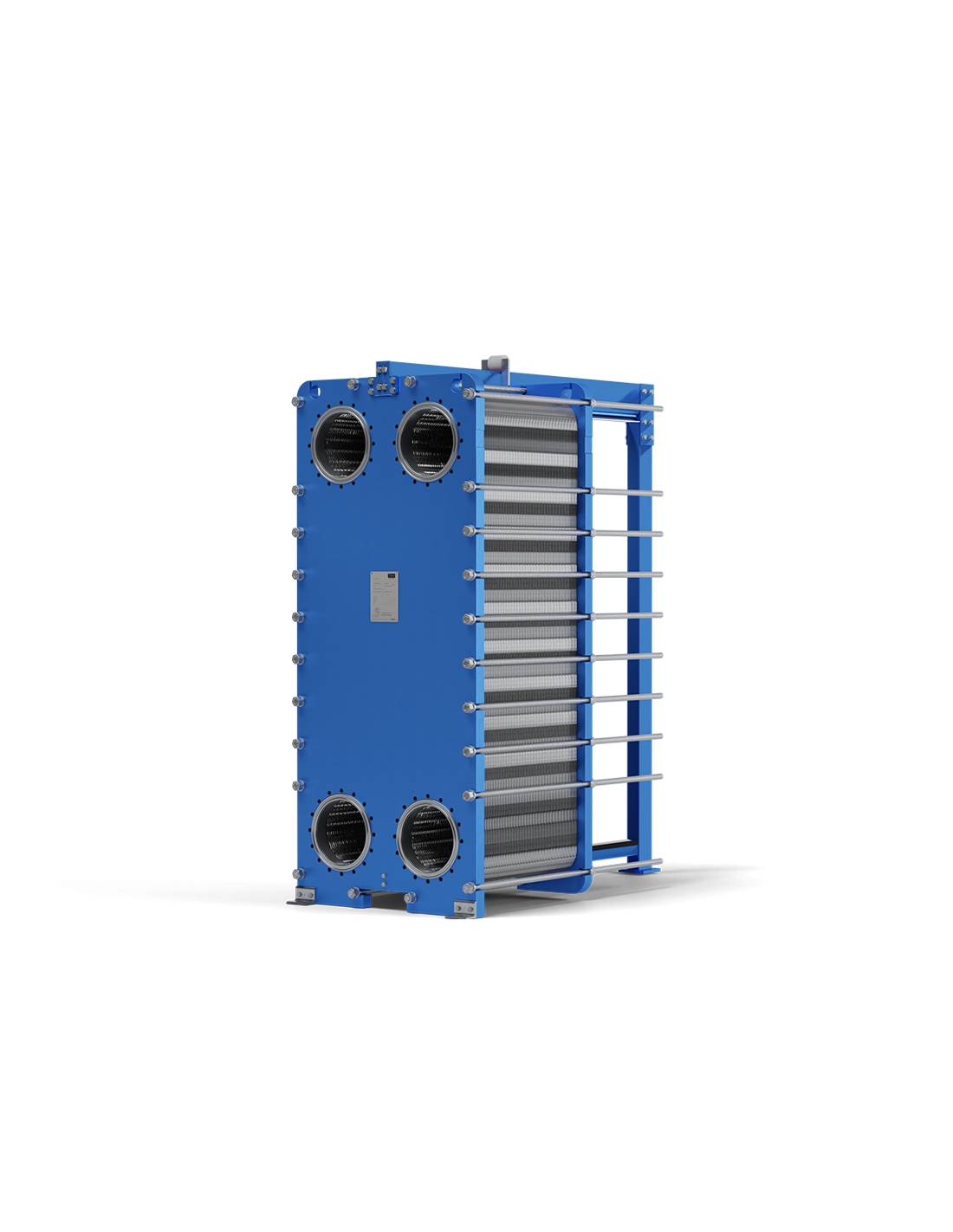
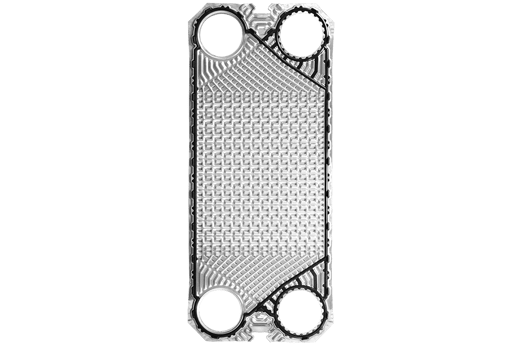
Free flow heat exchangers are utilized when the medium is unsuitable for conventional plate heat exchangers with narrow channels. The plate geometry creates a larger flow gap, without contact points in the channel, minimizing the risk of clogging in fluids with fibers, solids, pulp, or increased fouling tendencies.
Typical Media and Applications
Suitable for:
- juices with pulp, alcoholic and dairy products,
- sugar solutions and cane juice,
- wastewater, biogas, paper pulp, and cellulosic streams,
- industrial heat recovery from contaminated process waters.
Technical Selection Criteria
Selection is based on flow rate, viscosity, solids content, allowable pressure drop, and temperature program. Available configurations include connections DN25–DN500, plate gaps 5–12 mm, flow rates up to 1,600 m³/h, operating pressure up to 10 bar, and temperatures from -20 °C to 180 °C.
Materials and Gaskets
Plates are available in AISI 304/316, titanium, SMO, and Hastelloy, depending on the chemical composition and corrosiveness of the medium. Gaskets are selected in EPDM-HT, NBR-HT, or Viton, according to temperature, pH, oils, organic loads, and cleaning schedule.
Standards and Maintenance
Frames are designed according to PED 2014/68/EU, EN 13445, and ASME Section VIII Div. 1. The demountable construction allows opening of the plate pack for inspection, mechanical cleaning, and gasket replacement. In fouling fluids, monitoring pressure drop is a key indicator for cleaning scheduling.
FAQ
When is free flow selected? When fibers, particles, high viscosity, or frequent fouling are present.
Does it always replace conventional plate types? No. In clean water or closed HVAC circuits, conventional types may offer smaller volume and lower cost.
What data is required for sizing? Flow rates, inlet/outlet temperatures, operating pressure, media composition, solids, viscosity, and pressure drop limits.
Datasheet and documents
Description
Tap to zoom