


Gate Valve - Bellows Seal For Nuclear Power Generation | Fluitek | Philippopoulos s.a.

Gate Valve - Bellows Seal For Nuclear Power Generation | Fluitek

Fluitek Bellows Seal Gate Valve for Nuclear Power Generation

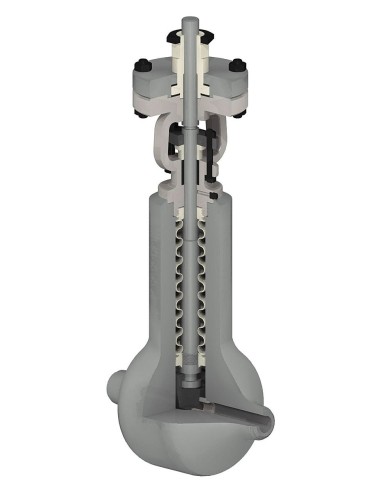
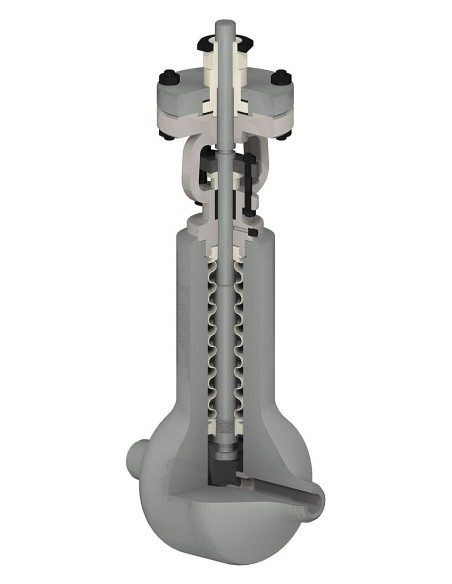
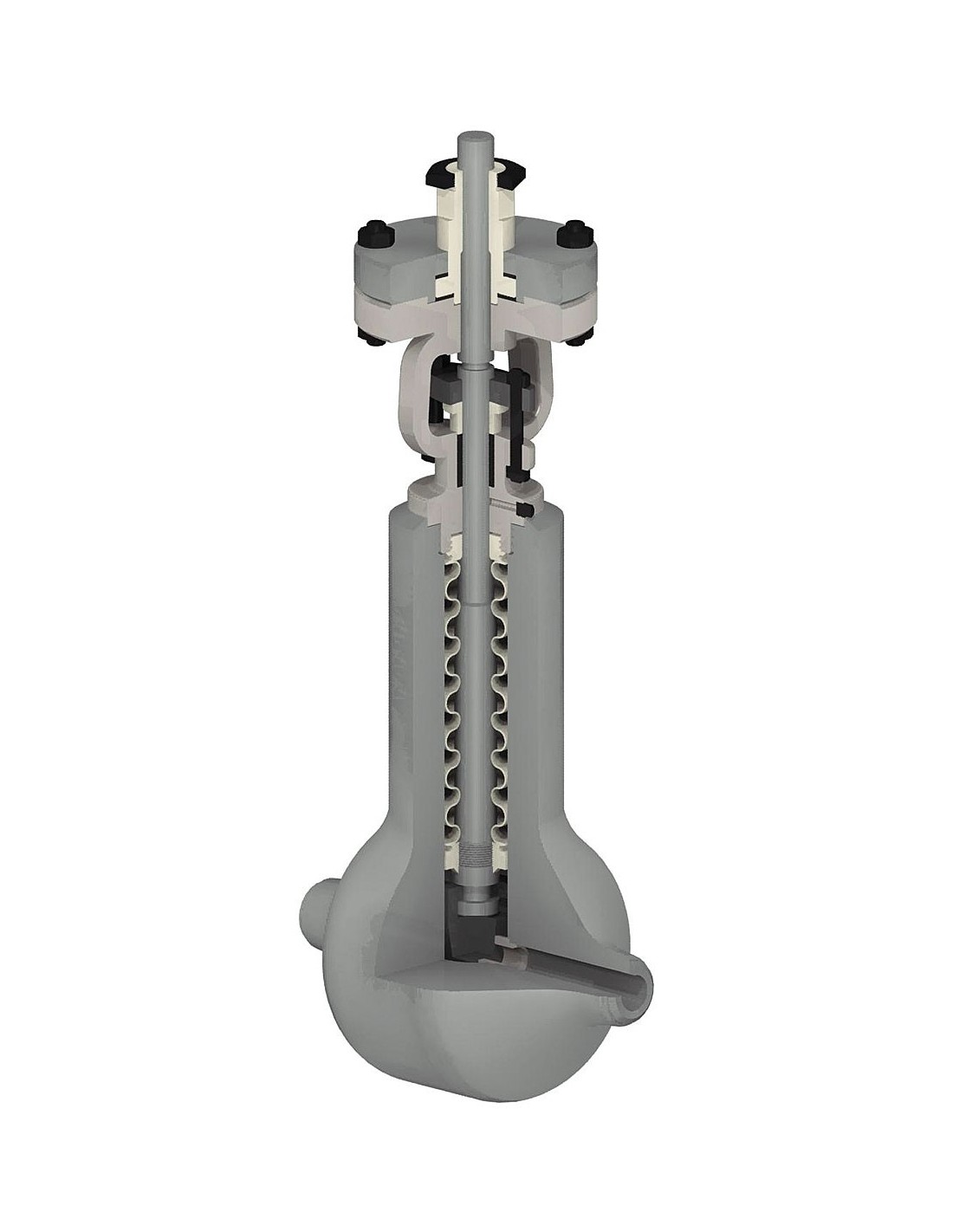
The Fluitek Bellows Seal for Nuclear Power Generation is a gate valve designed for isolation in critical circuits of nuclear facilities, such as primary heat transport systems. Key design requirements include stem tightness, seismic resistance, and documented operational cycle endurance. The design adheres to the ASME Boiler and Pressure Vessel Code, Section III, Subsection NB.

Technical Configuration

  • Standardization: ANSI
  • Ends: butt weld
  • Pressure classes: Class 600, 900, 1500
  • Sizes: 3/4" to 8"
  • Materials: low temperature carbon steels, austenitic stainless steels, nickel alloys
  • Typical construction: forged integral body, no cast pressure-containing parts
  • Application: isolation, not throttling

Bellows Seal and Secondary Packing

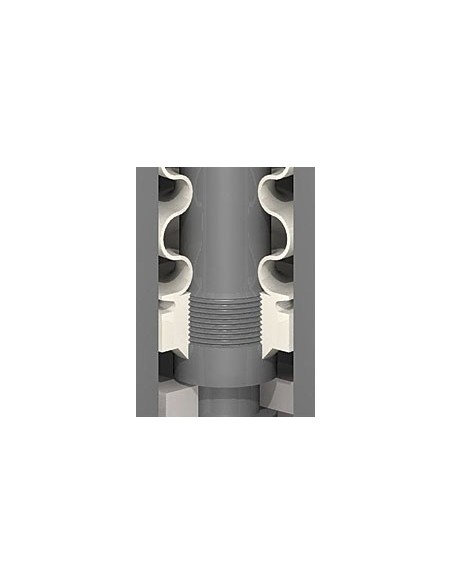
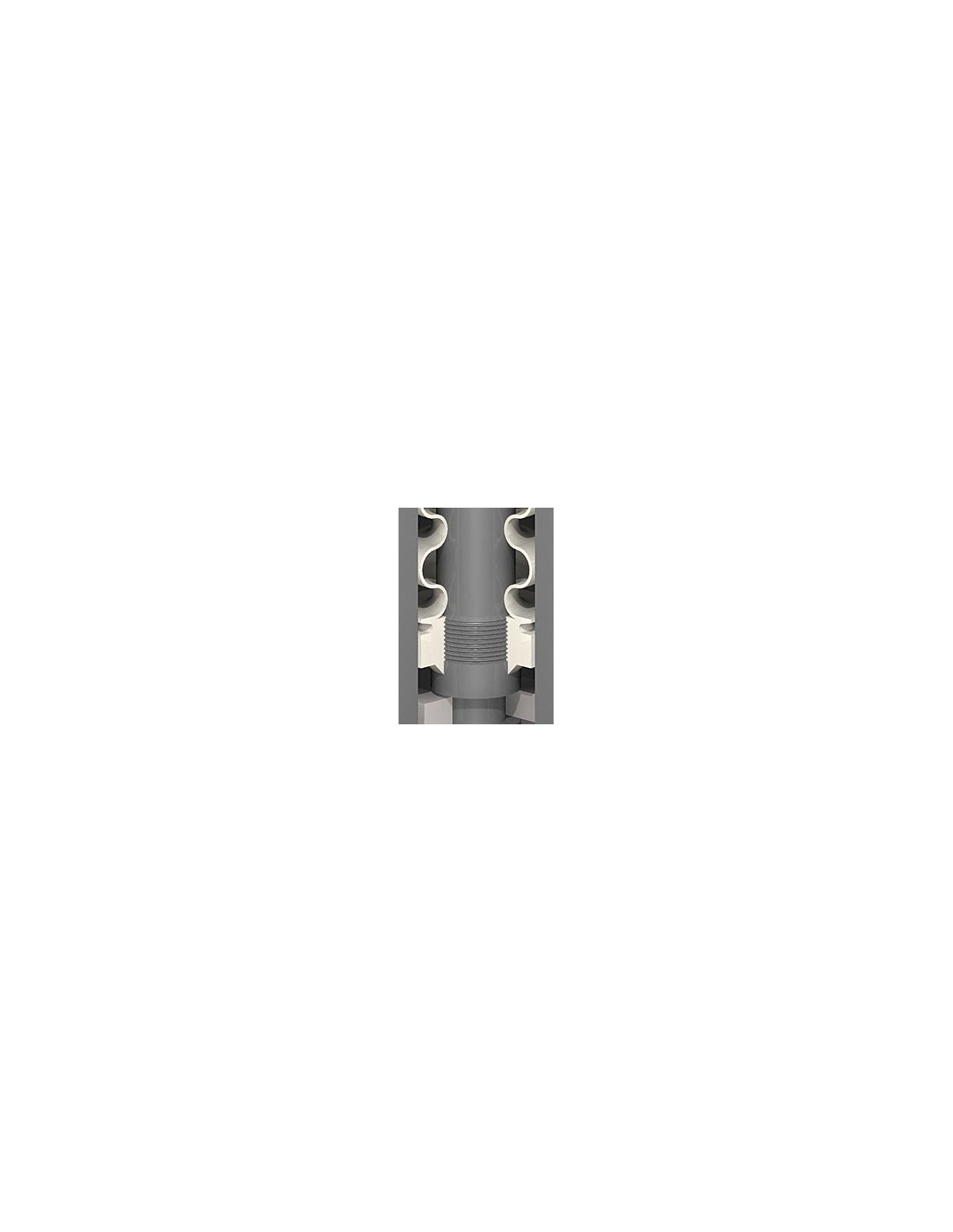
The bellows is used to limit leakage of radioactive or hazardous fluid to the atmosphere. The design includes a system for monitoring bellows integrity during operation and simultaneous control of secondary stem sealing. This is crucial in installations where packing should not be the sole barrier to leakage.

Design Requirements

The series avoids castings in pressure parts and limits strength welds, using threaded and seal welded connections where necessary. The compact geometry aims to reduce stress concentration points, critical in thermal cycles, seismic loads, and high-pressure operation.

Testing and Verification

The manufacturer offers endurance tests on production samples, with cycles to failure under operating pressure and temperature. Seismic resistance verification is conducted using shake table and operating base earthquake data.

FAQ

When is it selected?
When specifications require bellows seal, nuclear-grade documentation, and fugitive emissions limitation.

Why butt weld?
To reduce potential external leakage points in critical lines.

What should be checked before selection?
ASME class, body material, temperature, seismic loads, required operational cycles, actuator torque, and bellows inspection process.

Standard (Options)
  • ANSI
Connection (Options)
  • Butt Weld
Material (Options)
  • Austenitic Stainless Steel
  • Low Temperature Carbon Steel
  • Nickel Alloys
Pressure Rating (Options)
  • 600 lbs
  • 900 lbs
  • 1500 lbs

Datasheet and documents

Description

Valves used in the primary heat transport system of nuclear power plants are designed in accordance with ASME Boiler And Pressure Vessel Code, Section III, Subsection NB. They have to answer to three major technical requirements: tightness of sealing system to prevent radioactive fluid leakages into the atmosphere, earthquake resistant constructions, construction in accordance with normally required endurance tests at service condition.

A typical well proven construction are bellows seal gate valves, ASME/ANSI classes 600#, 900# and 1500#, materials low temperature carbon steels, austenitic stainless steels, nickel alloys, sizes ranging from 3/4” to 8” nominal size. FLUITEK ORSENIGO VALVES design has considered and applied the following principles:

  • eliminate the use of castings for pressure containing parts
  • eliminate the use of strength welds, using threaded and seal welded connections where needed
  • use of a very compact and geometrically homogeneous design, reducing stress concentration points
  • introduction of a system (see separate presentation) allowing verification in service of the integrity of the bellows and, at the same time, verification of the sealing capacity of the secondary stem sealing system.

The ability of submitting production samples to endurance tests (e.g. cycling to failure at pressure and temperature conditions), to demonstrate conformity with the guaranteed minimum cycle life required, is available. The verification of the design in relation to the ability of withstanding earthquake loads is carried out using a shake table and operating base earthquake details.

Certifications