

Gate Valve - Bellows Seal Bolted Bonnet | Fluitek | Philippopoulos s.a.

Gate Valve - Bellows Seal Bolted Bonnet | Fluitek

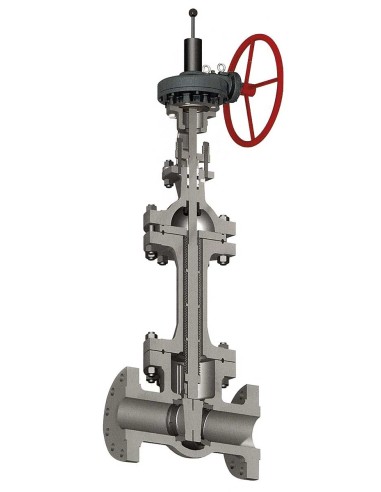
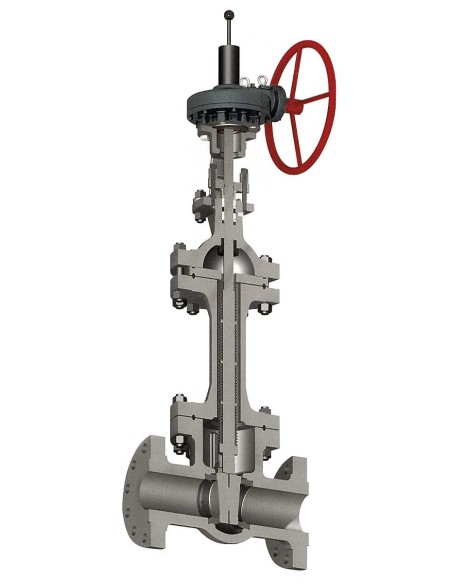
Fluitek Bellows Seal Bolted Bonnet Gate Valve

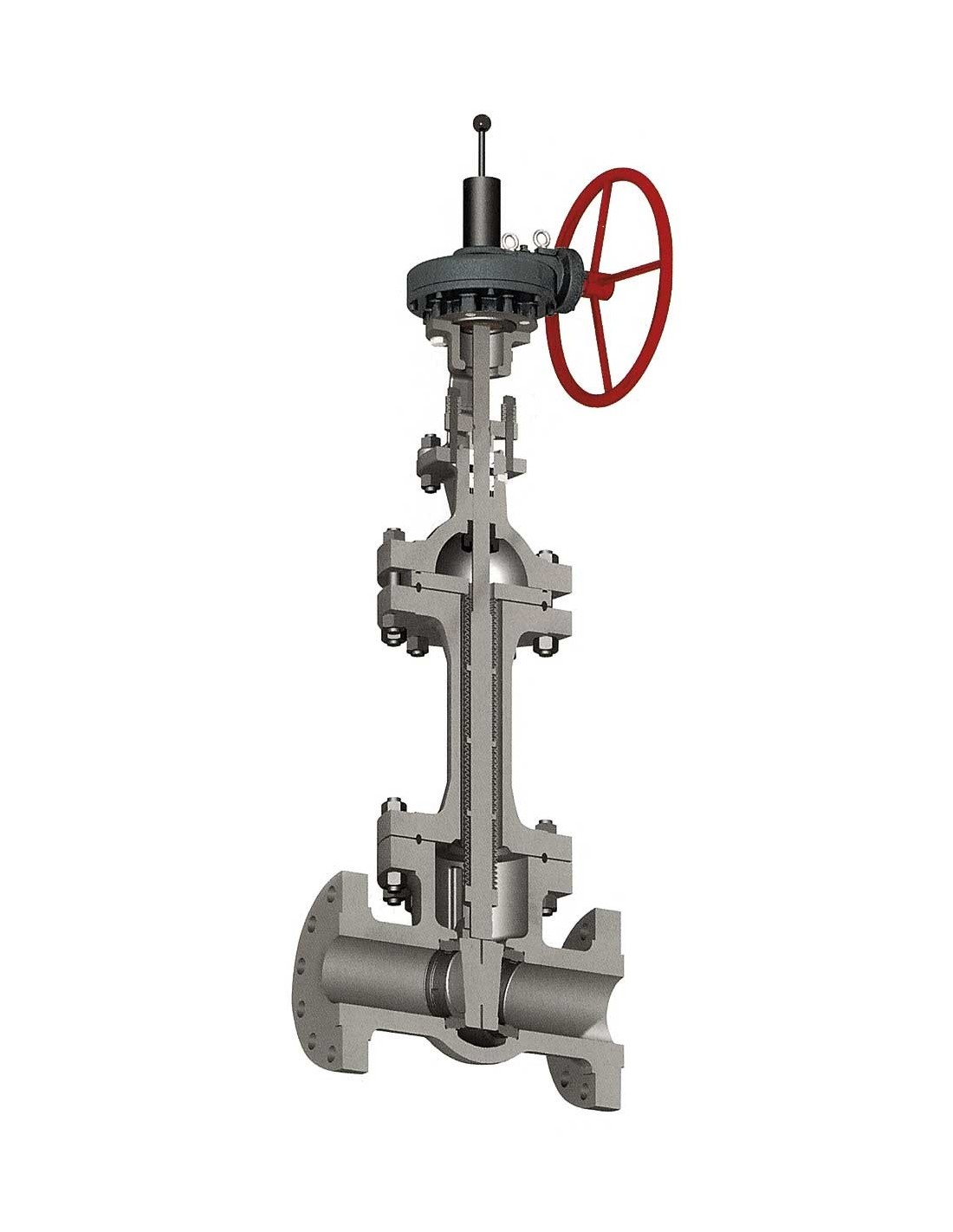
The Fluitek Bellows Seal Bolted Bonnet gate valve is designed for flow isolation in applications where fluid leakage to the atmosphere must be minimized: toxic, aggressive, radioactive, hot, or high-value process media. It is used for on/off applications and is not suitable for throttling.

Construction and Pressure Classes

  • Standardization: ANSI
  • Connection: flanged
  • Pressure classes: Class 600, 900, 1500, 2500
  • Body materials: cast steel, low alloy steel, nickel alloys
  • Configuration: gate valve with bellows seal and bolted bonnet

The technical datasheet indicates large diameters for lower pressures, such as 48" in Class 300, and medium/small diameters 1/2"–12" for Class 600, 900, 1500, and 2500.

Bellows Seal and Secondary Sealing

The bellows is subjected to fluid pressure from the outside, making material, configuration, and connection method critical selection points. Common bellows materials include AISI 316L, Inconel 625, and Inconel 718. The valve is also available with stem packing as a secondary safety seal.

Materials and Applications

Materials include cast or forged carbon steel, low alloy steel, austenitic stainless steel AISI 316L / AISI 321, and nickel alloys Inconel 600 / 718. Selection should consider pressure, temperature, corrosion, thermal cycles, fluid compatibility, and fugitive emissions requirements.

Emission Testing

Fluitek bellows seal valves are internally tested according to ISO 15848 with helium. The datasheet example mentions a pressure of approximately 150 bar, open-close cycles at ambient temperature and 400 °C, as well as leakage checks at the body-to-bonnet joint and emergency packing.

FAQ

When is a bellows seal chosen?
When stem leakage is not acceptable as a normal operating condition.

Is packing needed if a bellows is present?
Yes. Packing serves as a backup seal.

What certifications are mentioned?
ISO 9001, PED 2014/68/EU, ATEX 2014/34/EU, IEC 61508/SIL, API 6A, API 6D, API 6DSS, and TR-CU.

Standard (Options)
  • ANSI
Connection (Options)
  • Flanged
Material (Options)
  • Carbon Steel
  • Low Alloy Steel
  • Nickel Alloys
Pressure Rating (Options)
  • 600 lbs
  • 900 lbs
  • 1500 lbs
  • 2500 lbs

Datasheet and documents

Description

Bellows seal valves are used in applications where a hermetic tightness is essential in order to prevent any possible leakage of process fluid into the atmosphere, where the fluid is particularly hazardous (poisonous, aggressive, radioactive). FLUITEK ORSENIGO VALVES is specialised in gate valves with bellows seals, in particular in the manufacturing of:

  • Valves of large diameter (eg. 48”gate) normally for low pressure applications (typically class 300 ANSI)
  • Valves of medium-small diameter (eg from 1/2” to 12”) normally for high pressure applications (class 600, 900, 1500, 2500 ANSI)

In both cases the construction of the bellows and its assembly system to other components of the valve are essential, in particular for the resistance of the bellows which is subjected to fluid working pressure on the external side.

Materials used are all grades normally required by the various services: cast or forged carbon steel, low alloy steel, austenitic steel (AISI 316L, AISI 321) or nickel alloys (INCONEL 600, INCONEL 718). Bellows are hydroformed to shape. Bellows materials are usually AISI 316L, INCONEL 625, INCONEL 718). FLUITEK ORSENIGO VALVES bellows seal valves are always supplied with a packing system (stem packing) for safety secondary seal.

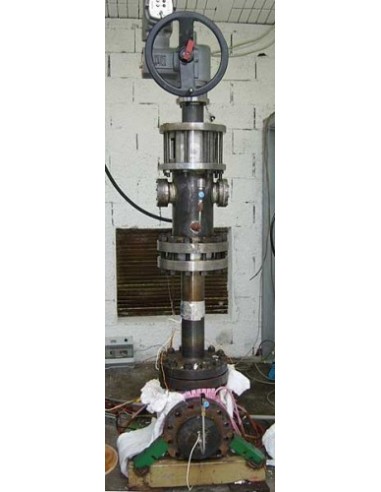
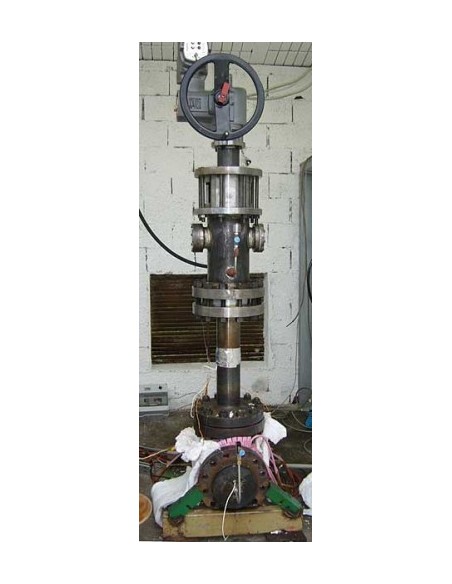
FLUITEK ORSENIGO VALVES bellows seal valves are also tested in-house for fugitive emissions. The test standard is ISO 15848 that requires the valve to be pressured with helium gas. The Gate valve is pressurised at about 150 Bar. For example the valve is then open-close cycled at room temperature 250 times total and 250 times total at 400°C. Helium leakages are detected with an appropriate helium gas leak detector called sniffer.

Leakages are checked at body-tobonnet joint at emergency stem packing system. The packing system test is done by creating a vacuum around the area. Leakages rates are less than 10 at minus six measuring units for packing system and 50 parts per million for body to bonnet joint. The test qualifies bellow seal gate valves with similar construction for all pressure classes below the tested one and stem dimensions that are not less than half or above double of the valve tested.α

Certifications