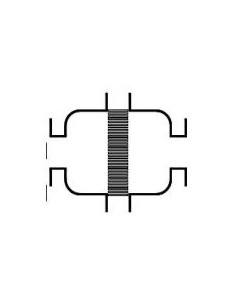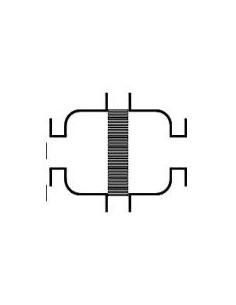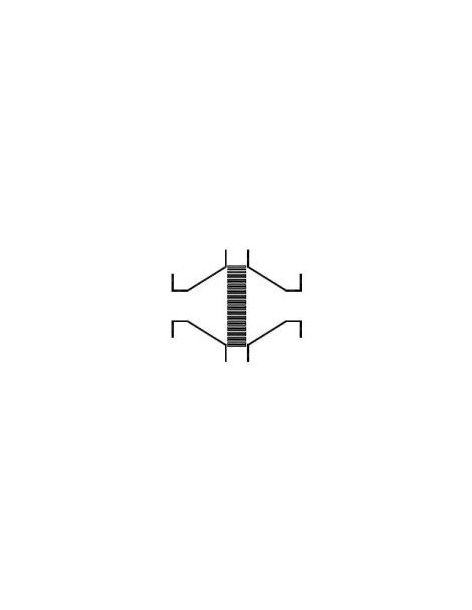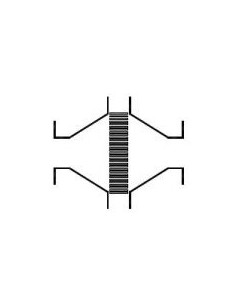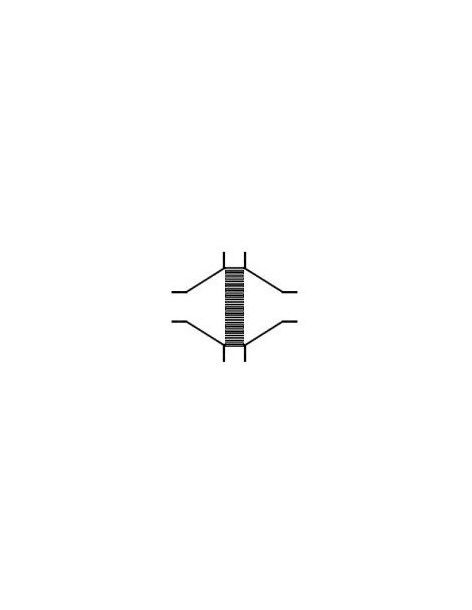

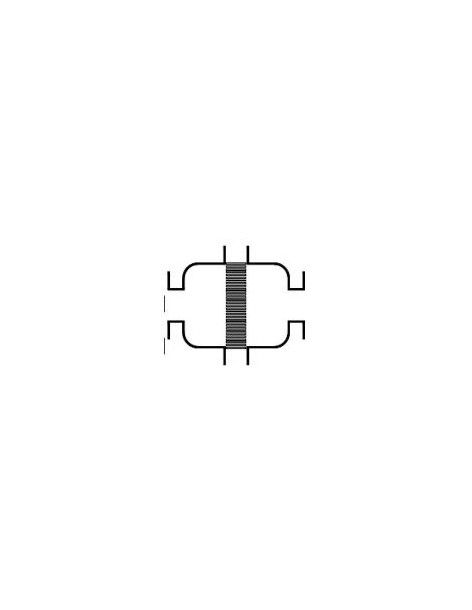
Inline Deflagration
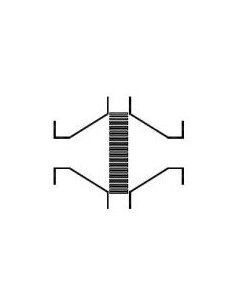
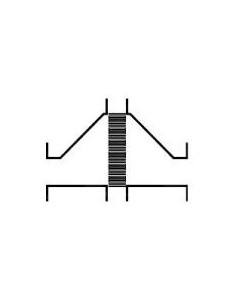
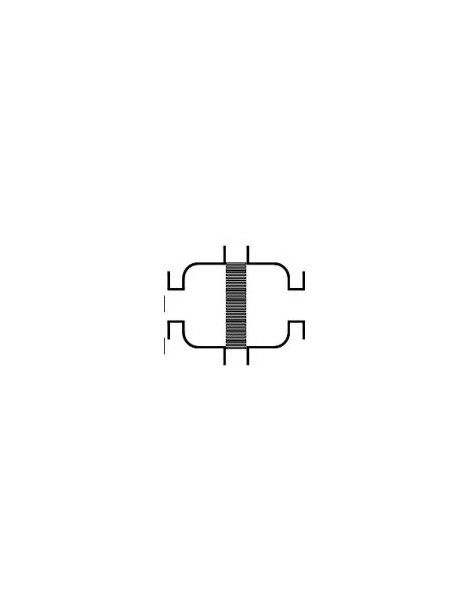
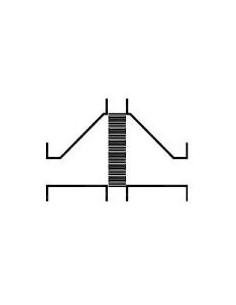
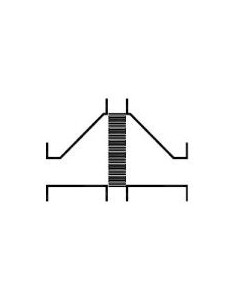
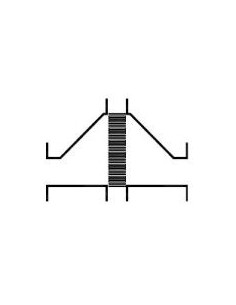
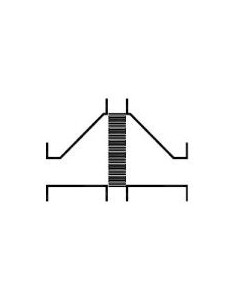
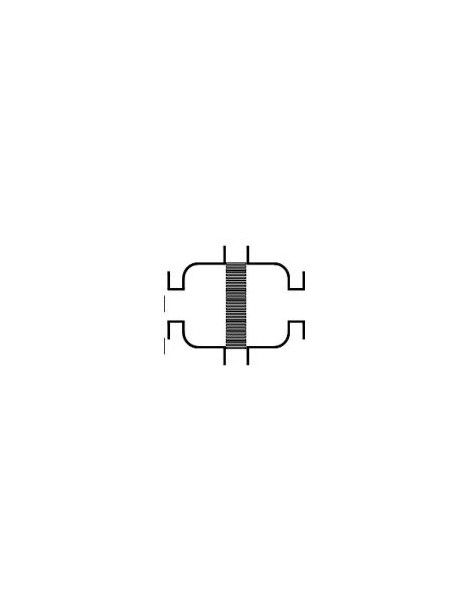
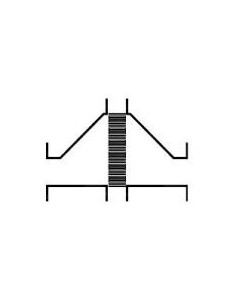
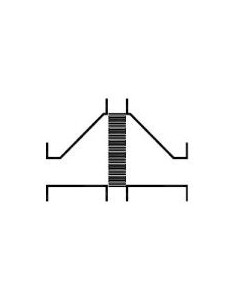
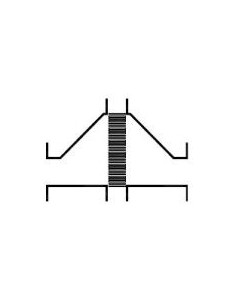
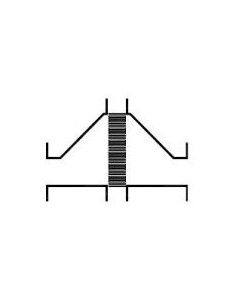
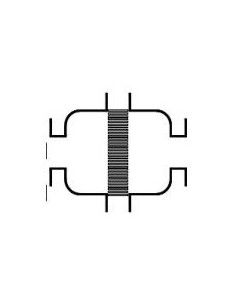
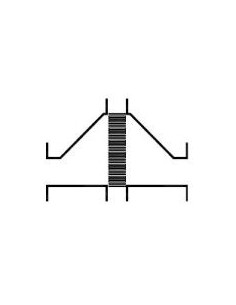
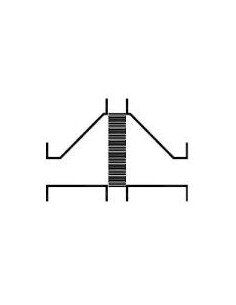
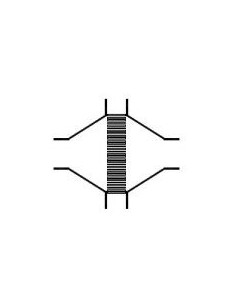
Inline deflagration flame arresters are installed in process piping that handles flammable gases or vapors where a potential flame front is expected to propagate as a subsonic deflagration rather than a fully developed detonation. The flame arrester element removes heat from the combustion front and reduces the gas mixture temperature below the limit required to sustain flame propagation, thereby preventing transmission to upstream or downstream sections of the line.
This category includes KITO inline deflagration flame arresters for both unidirectional and bidirectional flow service. Unidirectional designs include types H26N, H26.1N, and H26.2N. Bidirectional designs include series H31N, H32N, H33N, H34N, H35N, H36N, H37N, H39N, H40N, H41N, H42N, H44.1N, H45.1N, and H46.1N. Short-time burning proof and endurance burning proof versions are also available and should be selected based on the ignition scenario, expected flame holding duration, and installation location within the piping system.
Technical selection should be based on gas explosion group, maximum operating pressure and temperature, line size, piping geometry, expected flame propagation direction, allowable pressure loss, and the presence of condensate, fouling, or deposits. The referenced designs include flanged constructions to DIN standards with pressure ratings PN 10, PN 16, and PN 40, and material options including 1.0619, 1.4408, 1.4571, and carbon steel or stainless steel configurations as required by the process medium and corrosion conditions.
During maintenance, the flame arrester element should be inspected periodically for contamination, corrosion, mechanical deformation, and increasing differential pressure. In ATEX applications, the arrester should be assessed as part of the overall explosion protection concept, including pipe length, ignition sources, vent points, isolation valves, and the full hazardous area and ignition risk evaluation.