

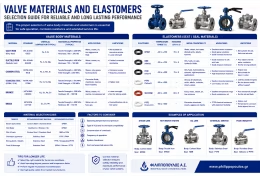
Valve material selection should not be based only on nominal pressure or valve size. Operating pressure, temperature,...
What is EN 12266?
EN 12266 specifies the mandatory inspection and testing procedures for industrial valves. It defines how valves are tested to verify pressure containment, seat tightness and overall compliance with design requirements.
The standard is widely used throughout Europe and international markets for valves installed in steam systems, process plants, power generation facilities, marine applications and industrial piping networks.
Structure of the Standard
EN 12266-1
Defines mandatory pressure tests, tightness tests and acceptance criteria for industrial valves.
EN 12266-2
Defines supplementary testing requirements, optional tests and additional procedures where specified by the purchaser or project documentation.
Applications of EN 12266
- Globe Valves
- Gate Valves
- Ball Valves
- Butterfly Valves
- Check Valves
- Knife Gate Valves
- Pressure Reducing Valves
- Control Valves
- Industrial Isolation Valves
Main Tests Defined by EN 12266
Shell Strength Test
The shell test verifies the mechanical integrity of the valve body, bonnet and pressure-retaining components under a specified test pressure.
No visible external leakage is permitted during the test.
Seat Tightness Test
The seat tightness test verifies the leakage performance of the valve closure element when the valve is in the fully closed position.
The allowable leakage rate depends on the valve type and specified leakage class.
Backseat Test
Where applicable, the backseat arrangement is tested to verify sealing performance and packing isolation during maintenance operations.
Closure Test
The closure test confirms compliance with the specified seat leakage requirements.
Test Media
- Water
- Air
- Nitrogen
- Approved inert gases
Leakage Rate Categories
| Rate | Description |
|---|---|
| A | No visible leakage |
| B | Very low leakage |
| C | Low leakage |
| D | Standard industrial tightness |
| E | Higher allowable leakage |
| F | High allowable leakage |
| G | Special applications |
Shell Test versus Seat Tightness Test
| Test | Purpose |
|---|---|
| Shell Test | Verification of pressure-containing components |
| Seat Tightness Test | Verification of sealing performance across the closure element |
Relationship with Other Standards
| Standard | Scope |
|---|---|
| EN 12266 | Industrial Valve Testing |
| ISO 5208 | Valve Pressure Testing |
| API 598 | Valve Inspection and Testing |
| API 6D | Pipeline Valve Testing |
Relationship with PED 2014/68/EU
Testing performed in accordance with EN 12266 is frequently used as part of the conformity assessment process required by the European Pressure Equipment Directive (PED 2014/68/EU).
Typical Industrial Applications
Steam Systems
- Globe Valves
- Steam Traps
- Pressure Reducing Stations
- Strainers
Power Generation
- Main Steam Isolation Valves
- Feedwater Valves
- Control Valves
Chemical Processing Plants
- Ball Valves
- Butterfly Valves
- Control Valves
- Check Valves
Marine Applications
- Gate Valves
- Butterfly Valves
- Check Valves
Benefits of EN 12266 Testing
- Verification of pressure integrity
- Validation of seat tightness performance
- Improved operational reliability
- Compliance with project specifications
- Support for quality assurance procedures
- Reduced risk of leakage in service
Frequently Asked Questions
Is EN 12266 mandatory?
EN 12266 is the primary European valve testing standard and is widely specified for industrial valve procurement and acceptance testing.
What is the difference between EN 12266 and API 598?
Both standards define valve testing requirements. EN 12266 is the main European reference, while API 598 is commonly specified for valves manufactured to American standards.
What is a Shell Test?
A shell test verifies the strength and pressure integrity of the valve body and pressure-retaining components.
What is a Seat Tightness Test?
A seat tightness test verifies the leakage performance of the closure element when the valve is fully closed.
Why is EN 12266 important?
It provides standardized testing procedures that ensure industrial valves meet specified safety, performance and quality requirements before entering service.