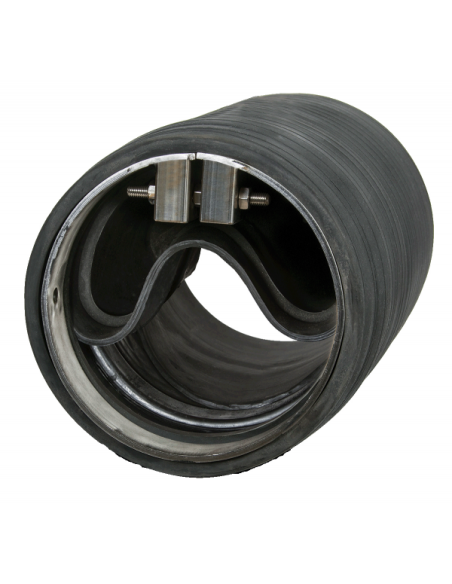

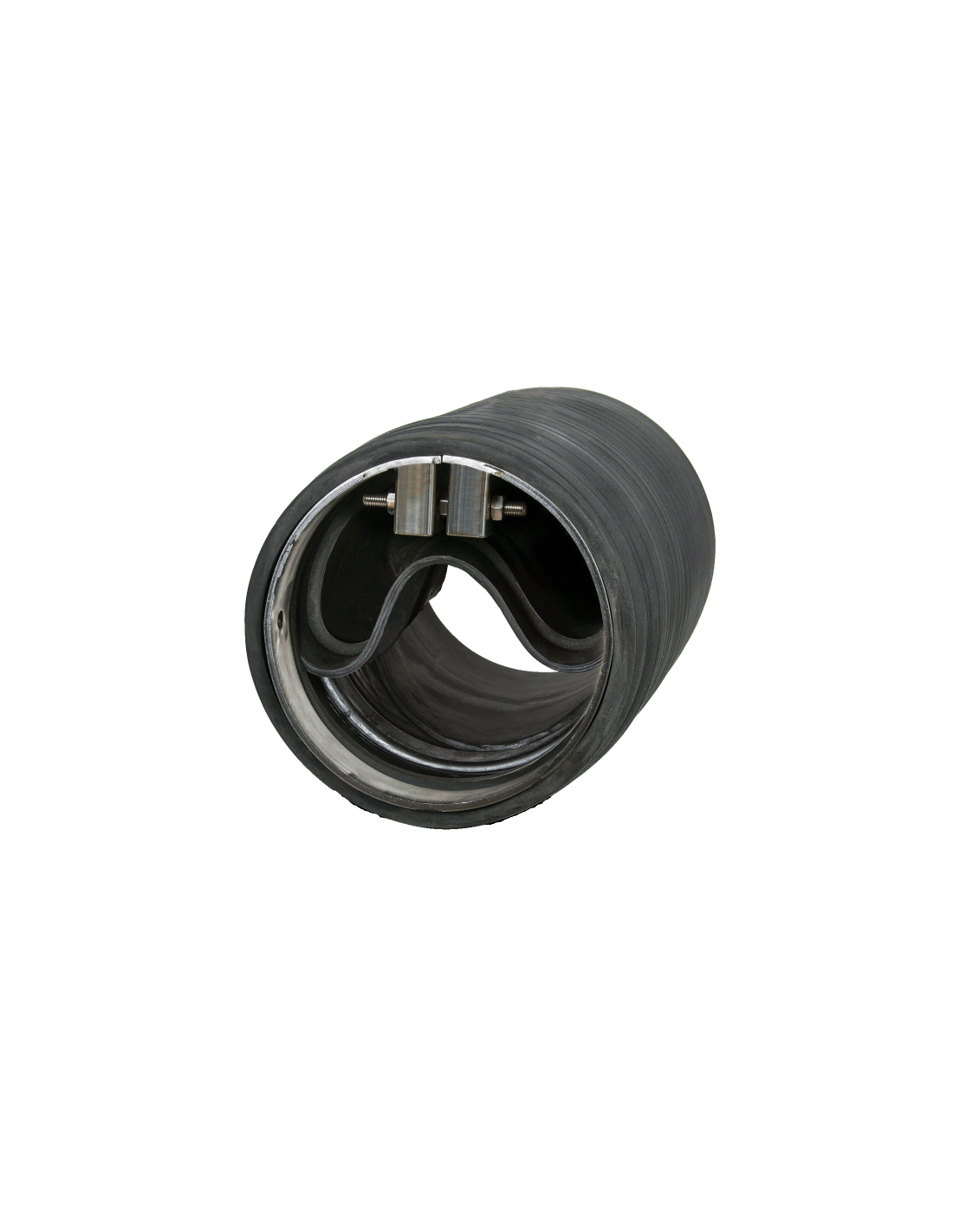
Cla-Val Series RF-DBI-LH Low Headloss In-line Rubber-Flex™ Duckbill Check Valve design allows for a passive flow and allows the valve to be installed without having to do any modifications to existing structures or costly pre-install planning. The unique fold-away design of the inner sleeve also allows for a near-full port flow, allowing for quick drainage and low head loss.


Rubber-Flex Duckbill Check Valves - RF-DBI-LH Low Head Loss In-Line | Cla-Val
Cla-Val RF-DBI-LH Low Head Loss In-Line Duckbill Check Valve
The RF-DBI-LH is an elastomeric in-line check valve engineered for low head loss in pipelines where passive backflow prevention is required. The internal duckbill profile folds against the pipe wall under forward flow, providing a near-full flow area for rapid drainage and minimized pressure drop.
Operation and Hydraulic Performance
The valve opens under differential pressure from normal flow. Under backpressure, the elastomer returns to the closed position, restricting reverse flow without shafts, hinges, metal seats, or external actuators. This design reduces maintenance and eliminates external leakage paths.
Dimensions and Installation
- Nominal sizes: 3"–72".
- 3"–24": designed for installation inside Sch 40 steel pipe.
- 30" and above: nominal fit for reinforced concrete pipe.
- Maximum rated backpressure: 40 ft / 12 m for 3"–12", decreasing by size to 12 ft / 4 m for 72".
Materials and Retaining Components
Available elastomers: Neoprene, EPDM (NSF/ANSI 61 option), Nitrile, Natural Rubber, CSM, Chlorobutyl, Viton. Support rings: 316 SST. Clamps: 304 SST standard; other alloys on request. Material selection should consider media compatibility and site conditions.
Typical Applications
- Stormwater pipelines requiring rapid discharge
- Pumping stations and wastewater outfalls
- Networks with limited available head
- Installations where standard RF-DBI head loss is excessive
- Retrofit into existing pipelines with minimal structural modification
RF-DBI-LH vs RF-DBI
The RF-DBI is a general-purpose in-line duckbill check valve. The RF-DBI-LH is selected where available hydraulic head is limited and a larger effective flow area is required. Selection should be based on flow rate, line pressure, backpressure, internal pipe diameter, and elastomer compatibility.
FAQ
Is an actuator required?
No. Operation is driven by fluid differential pressure.
When is the LH version preferred?
When valve pressure drop impacts drainage or pump station operation.
Datasheet and documents
Description
Tap to zoom
