
Duckbill
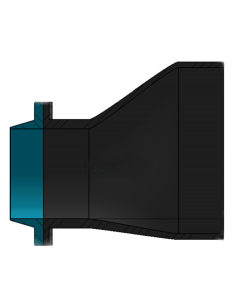
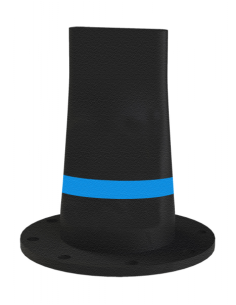
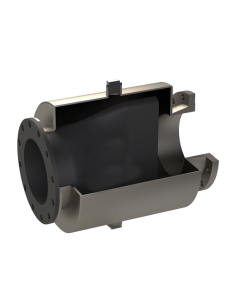
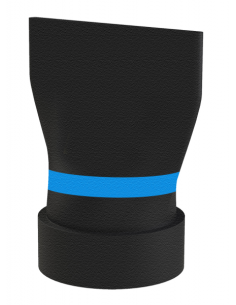
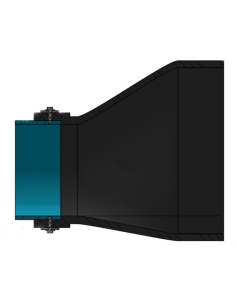
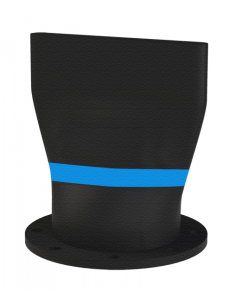
Duckbill check valves are used for passive prevention of reverse flow at pipeline outfalls, pump stations, sewer networks, wastewater treatment plants, tanks, marine discharges, industrial liquid services, and applications with limited available hydraulic head. Operation is based on an elastomeric body with a slit outlet that opens under forward differential pressure and closes when backpressure or reverse liquid level is present, without shaft, hinge, spring, or external power. The category includes Cla-Val Rubber-Flex Duckbill configurations RF-DBF flanged, RF-DBF-SB sloped bottom, RF-DBI in-line, RF-DBI-IN, RF-DBI-LH low head loss, RF-DBJ jacket, RF-DBO slip-over, and RF-DBO-SB sloped bottom.
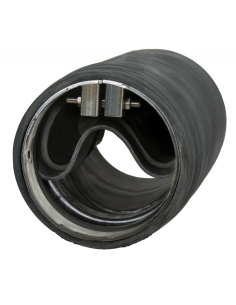
Valve selection is based on pipe size, available head, backpressure, submergence level, flow rate, pressure loss, installation orientation, end connection, and elastomer compatibility with sewage, seawater, industrial liquids, or chemically contaminated media. RF-DBF flanged units are installed directly on flanged pipe ends, tank walls, or headwalls. RF-DBI units are intended for in-line service in pressurized pipelines between mating flanges.
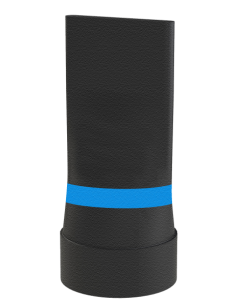
RF-DBI-LH versions are selected where pressure drop must be minimized, as the internal geometry provides a near full-bore flow path and rapid drainage. RF-DBO slip-over versions are fitted over the pipe end and secured with a stainless steel clamp, generally for low inlet pressure service. In solids-bearing or debris-laden flow, the absence of metallic moving parts reduces fouling points; however, the elastomer should be inspected for fatigue, tearing, deposits, chemical attack, and proper slit closure after repeated duty cycles. Material selection should also consider operating temperature, continuous submergence, UV exposure where applicable, and leakage requirements under low reverse differential pressure.