


Ball Valves Double Block and Bleed | Fluitek | Philippopoulos s.a.

Ball Valves Double Block and Bleed | Fluitek

Fluitek Double Block and Bleed Ball Valve

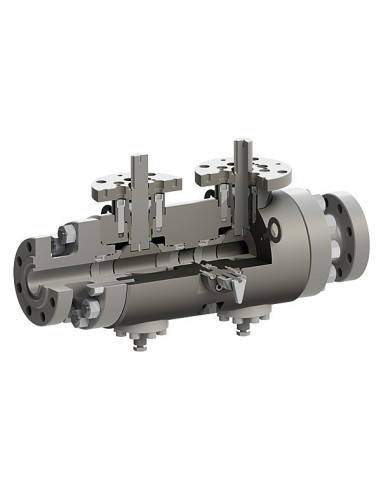
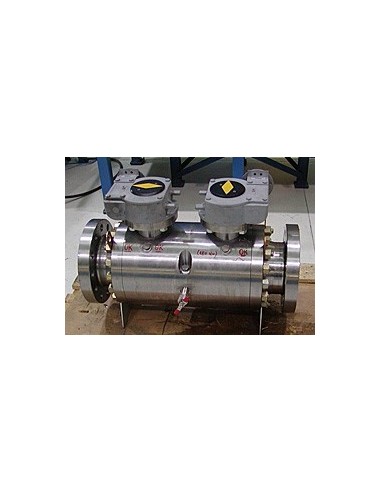
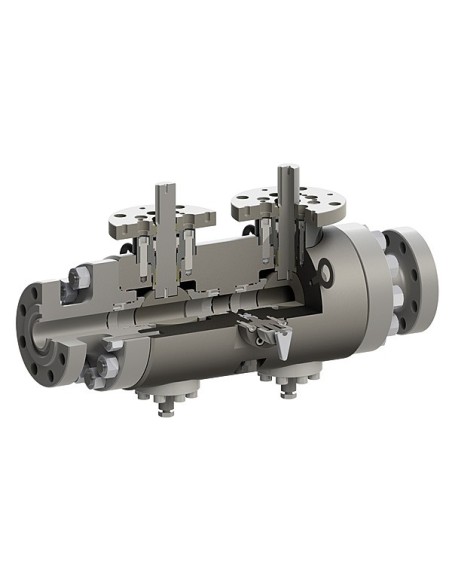
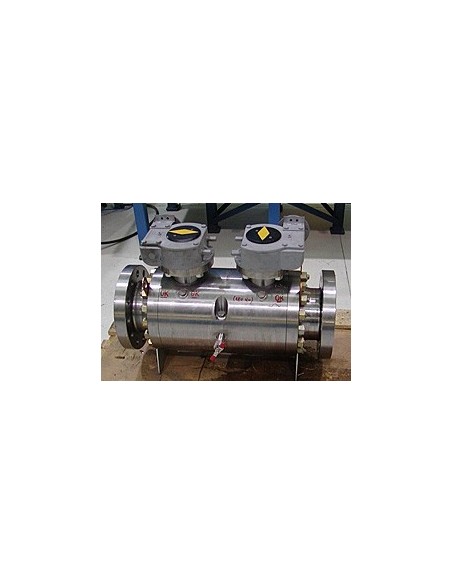
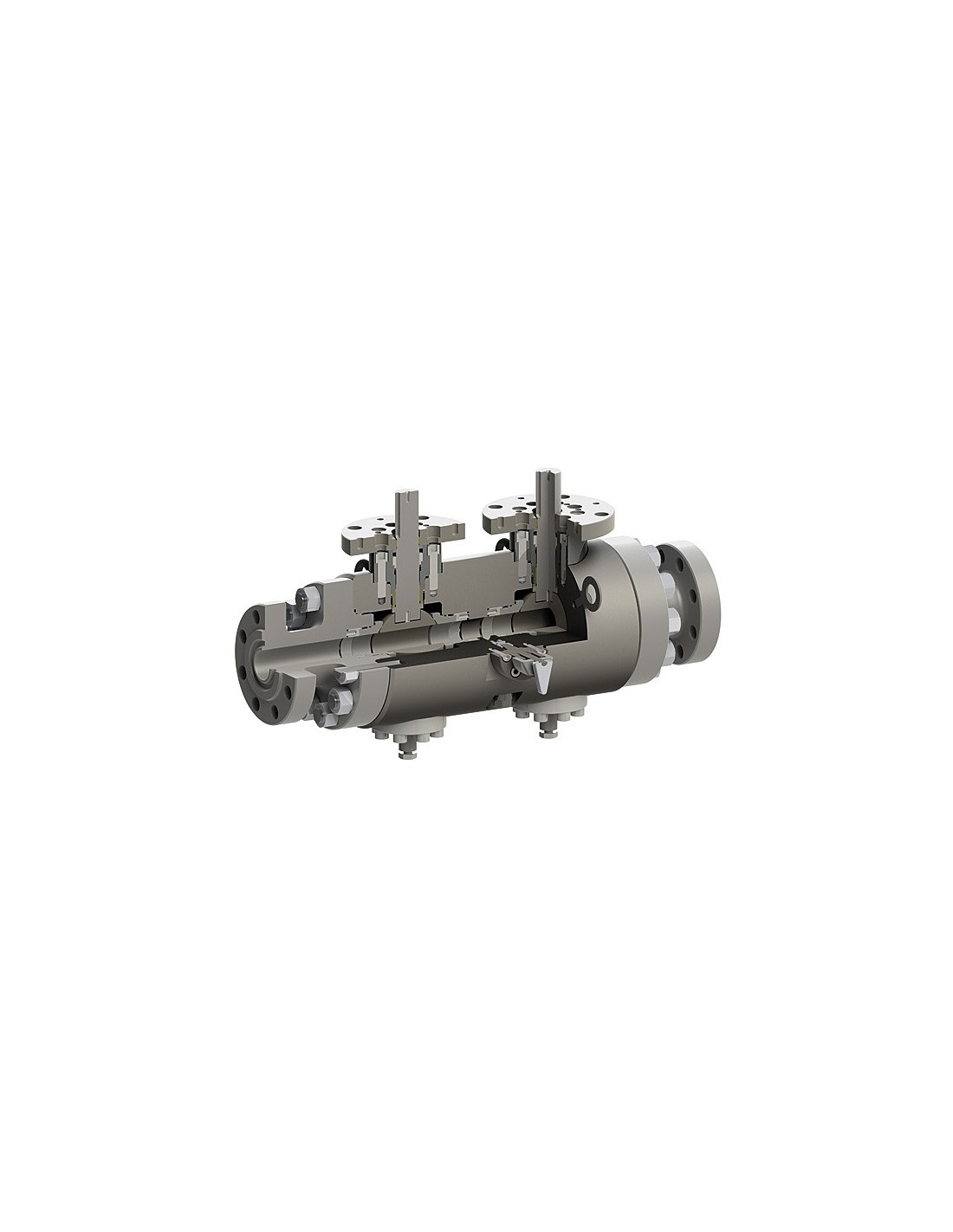
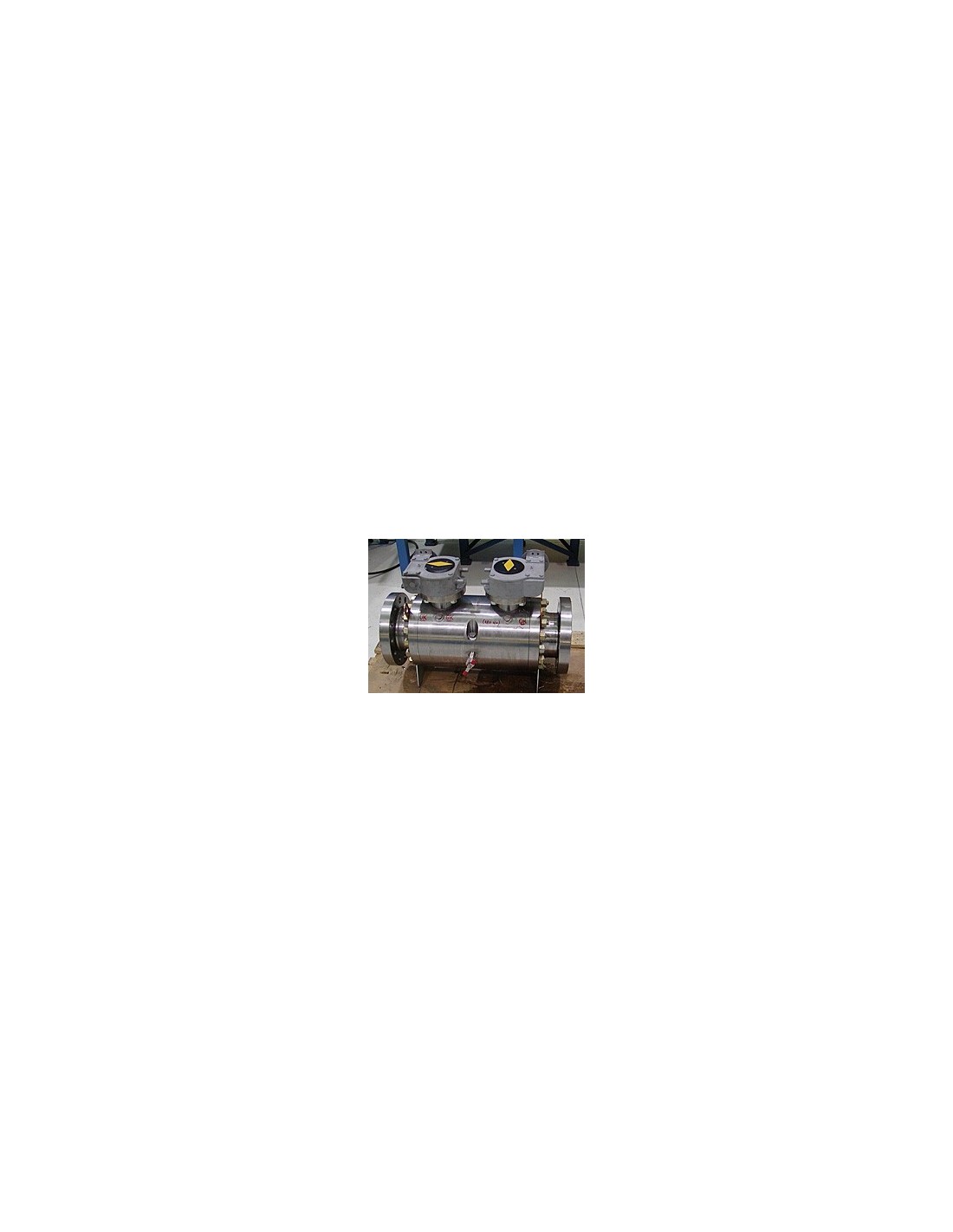
DBB ball valve for line isolation with two independent sealing points and an intermediate bleed cavity. It is used where leakage verification is required before maintenance, instrument removal, metering work, or equipment disconnection.

Design

The valve construction may be trunnion mounted or floating ball, depending on size, pressure class, differential pressure, and operating torque. The stem is anti-blow-out. Seat arrangement is commonly SPE, with cavity pressure relieved through the drain/bleed connection.

  • Floating ball: typically selected for smaller sizes and moderate pressure classes.
  • Trunnion mounted: used for larger sizes, higher pressure classes, and lower operating torque.
  • Bleed port: usually supplied with a floating ball valve for connection to the user drain or vent line.

Standards and Connections

  • API 6D / ASME B16.34 / API 6A, as applicable to the project specification
  • Anti-static design according to API 6D and ISO 17292
  • RF, FF, MF, RTJ flanged ends to ASME B16.5 up to 24"
  • ASME B16.47 for 26" and above
  • Butt-weld ends to ASME B16.25
  • Fire-safe design to BS 6755 / API 6FA / API 607

Sealing Options

Seats are available as soft seated or metal-to-metal hard-faced. Soft seats are selected for tight shut-off with clean compatible fluids. Metal seats are used for higher temperature, erosive service, dirty fluids, or where seat damage is expected.

Fire-safe construction uses secondary graphite seals and metal contact after thermal degradation of soft sealing elements.

Suitable Media and Operating Conditions

  • Natural gas, fuel gas, crude oil, refined hydrocarbons, condensate, water, compatible chemicals, and utility fluids
  • Selection depends on pressure class, temperature range, corrosion allowance, seat material, elastomer compatibility, and solids content
  • Not all variants are suitable for slurry, flashing service, oxygen, sour service, or high-temperature operation without material review

Optional Equipment

  • Locking device
  • Emergency stem seal injection
  • Emergency seat sealant injection
  • 316 or Inconel 625 weld overlay
  • Removable supports
  • Certified lifting devices
  • Seal-welded fittings

Actuation

Standard operation is manual. Electric, pneumatic, or hydraulic actuators can be fitted for remote operation, interlocking, ESD service, or integration with DCS/PLC systems. Actuator sizing shall consider break torque, differential pressure, safety factor, cycle frequency, and fail position.

Typical Applications

  • Oil and gas pipelines and manifolds
  • Metering skids and custody transfer packages
  • Fuel lines and terminal loading systems
  • Chemical process units
  • Isolation points requiring bleed, depressurisation, and leakage confirmation before intervention

FAQ

What does the bleed connection confirm? It allows the cavity between the two sealing points to be vented or drained, confirming whether either seat is passing before work starts.

When is DBB preferred over a single block valve? When maintenance procedures require positive isolation verification, reduced piping complexity, or a compact alternative to two valves and a spool bleed.

Description

Valve design can be either Trunnion or Floating type, anti blow-out stem and typically SPE seat design. Drain port is normally provided with a floating ball valve, to be fitted with Final User drain line. Valve seats can be soft or metal to metal hard-faced.

Main reference codes:

  • Standard design in accordance with API 6D / ASME B16.34 / API 6A.
  • Antistatic design as per API 6D and ISO 17292.
  • Valve ends can be flanged (RF, FF, MF or FF, RTJ), according to ASME B16.5 (up to 24”) or ASME B16.47 (26” and above), Butt-Welding according to ASME B16.25, or Hub, according to customer Requirements.
  • Fire Safe according to BS6755 / API 6FA / API 607, since each sealing point is provided by a secondary fire-safe seal in graphite. Valve soft seats also are provided with secondary metal-to-metal seal in case of fire.

Double Block and Bleed ball valves are typically manual operated, but can be equipped also with an actuator (electric, pneumatic, hydraulic).

The following optional features are available:

  • Locking device.
  • Emergency stem seal injection;
  • Emergency seats sealant injection;
  • Weld overlay (316 or Inconel 625) on dynamic sealing areas or in all wetted parts
  • Removable supports;
  • Certified lifting devices;
  • Seal welded fittings.

Certifications