
Size:2"~24"(DN50~DN600)
Pressure Rating: ASME CLASS 150~2500(PN16~PN420)
Body material:Carbon steel, Stainless steel, Alloy steel, Duplex stainless steel,ect.
End connection: FLAN(RF,RTJ) ect.
Operation:Manual, Pneumatic, Electric, Hydraulic,ect.



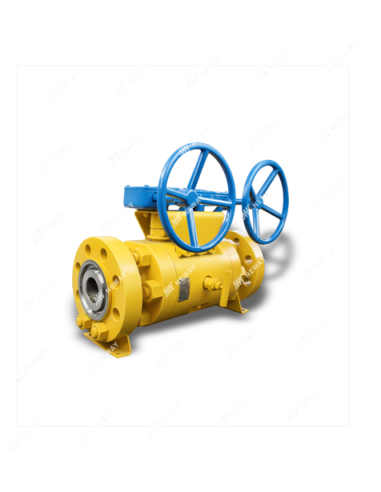
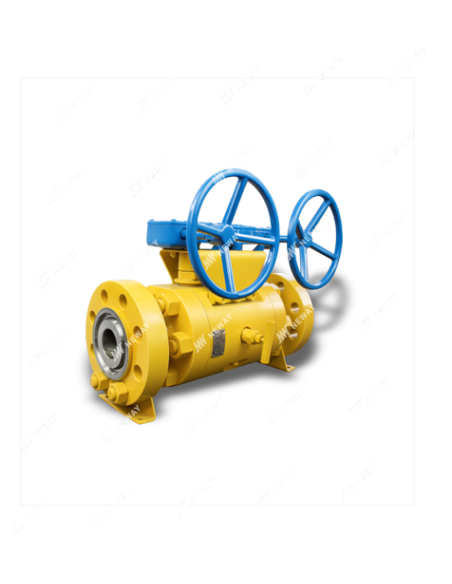
The Neway Double Ball Floating DBB is a compact double block and bleed ball valve manifold for positive isolation in process piping. It covers DN50–DN600 / 2"–24" and pressure ratings ASME Class 150–2500 / PN16–PN420, subject to material, trim and end-connection selection.
The body is available in carbon steel, stainless steel, alloy steel and duplex stainless steel. Flanged ends are supplied as RF or RTJ according to pressure class, piping specification and gasket practice.
The two-ball arrangement isolates the upstream and downstream sides while the cavity between the seats can be vented or drained. This allows verification of zero pressure before maintenance, sampling, instrument removal or equipment disconnection.
A double ball DBB manifold provides two independent isolation points in one body. Compared with two separate block valves and a spool bleed arrangement, it reduces flange joints and installation length. Compared with a single ball valve with cavity vent, it provides a more defined upstream/downstream isolation sequence.
Available with manual gear operator, pneumatic actuator, electric actuator or hydraulic actuator. Actuator sizing shall consider maximum differential pressure, seat material, safety factor, operating frequency and fail-safe position where required.
When is DBB used?
When maintenance or disconnection requires isolation on both sides with depressurization of the intermediate cavity.
Is it a replacement for a full isolation procedure?
No. It is a valve arrangement used within the plant isolation and lockout procedure.
What affects leakage performance?
Seat material, pressure, temperature, cleanliness of the medium, cycling frequency and correct actuator torque setting.
Size:2"~24"(DN50~DN600)
Pressure Rating: ASME CLASS 150~2500(PN16~PN420)
Body material:Carbon steel, Stainless steel, Alloy steel, Duplex stainless steel,ect.
End connection: FLAN(RF,RTJ) ect.
Operation:Manual, Pneumatic, Electric, Hydraulic,ect.