
List of products by brand Tassalini
Tassalini – Technical profile of a hygienic stainless steel valve and process fitting manufacturer
Tassalini S.p.A. is an Italian manufacturer of stainless steel valves, fittings and process components for food, beverage, wine, dairy, pharmaceutical, biotechnology and hygienic chemical applications. The company manufactures products mainly in AISI 304L and AISI 316L stainless steel, with hygienic connections and surface finishes suitable for clean process lines.
The product range represented through Philippopoulos S.A. includes:
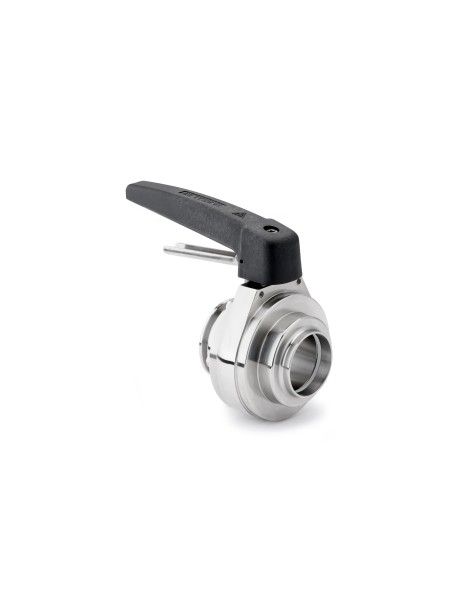
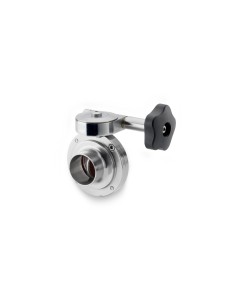
- butterfly valves,
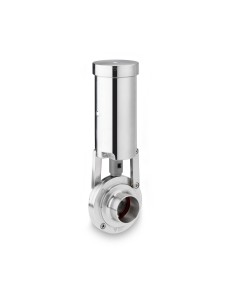
- pneumatic butterfly valves,
- ball valves,
- aseptic ball valves,
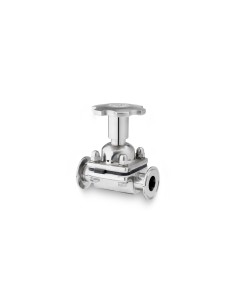
- diaphragm valves,
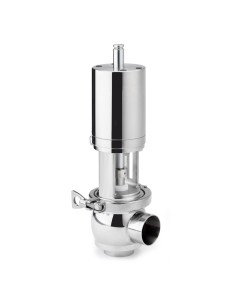
- 3-A / mix proof pneumatic valves,
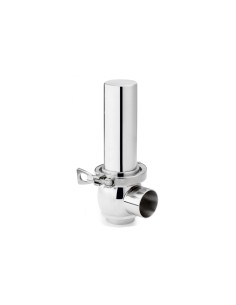
- pressure relief valves,
- check valves,
- vacuum relief valves,
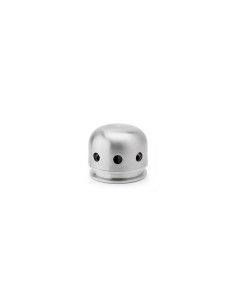
- filters,
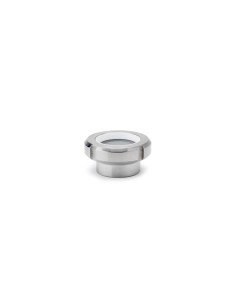
- sight glasses,
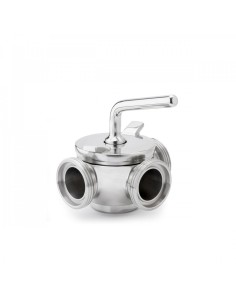
- sampling and plug valves.
Tassalini butterfly valves are used for isolation and simple flow control in hygienic pipelines. They are available with different seals such as silicone, EPDM, FKM and PTFE-based materials. Selection must consider product compatibility, CIP / SIP conditions, pressure, temperature and required cleanability.
Pneumatic butterfly valves are used in automated hygienic lines. They must be selected according to fail position, air pressure, opening / closing time, valve feedback and CIP sequence.
Ball valves are used where full-bore flow and low pressure drop are required. In hygienic applications, the potential product retention inside the ball cavity must be considered. Drainable or aseptic designs are required when product hold-up is not acceptable.
Mix proof valves are used where two fluids must remain separated, for example between production and CIP circuits. Leakage chamber design, drainability and cleaning of the leakage area are critical.
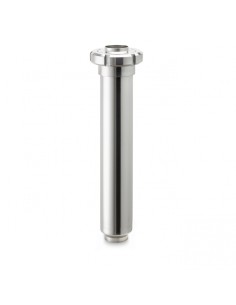
Filters and sight glasses are used for local protection and observation of product lines. Filter perforation or mesh size, pressure drop, cleaning access and hygienic surface finish must be defined.
For hygienic process engineers, Tassalini products should be evaluated according to product contact material, surface roughness, seal material, cleanability, drainage, certification and maintenance method.