


Ball Valve Floating Ball - Metal-sealed Floating Ball Valve | Neway | Philippopoulos s.a.

Ball Valve Floating Ball - Metal-sealed Floating Ball Valve | Neway

Neway Floating Ball Valve, Metal-Seated

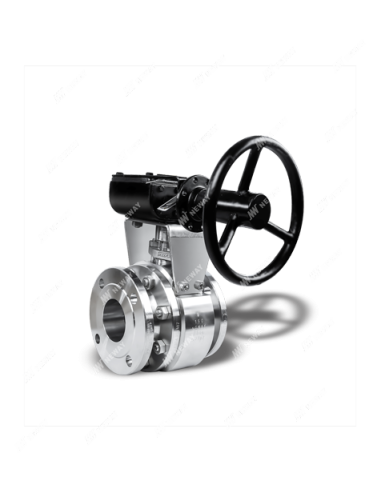
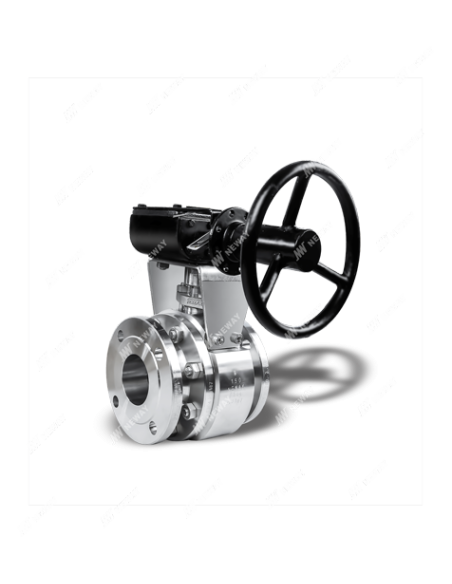
The Neway floating metal-seated ball valve is a cast isolation valve for services where PTFE, RPTFE or other soft seats are not suitable because of temperature, solids, erosion or seat wear. The range covers DN15–DN200 / 1/2"–8", with ASME Class 150–2500 / PN16–PN420 ratings.

Construction and End Connections

Body materials include carbon steel, stainless steel, alloy steel, duplex stainless steel and special alloys, selected according to process fluid, corrosion allowance, design temperature and pressure class. Available end connections include flanged and butt-weld types.

Typical Applications and Media

  • Steam, condensate and thermal oil circuits
  • Hydrocarbons, fuel oils and lubricating oils
  • Process gases and utility gases
  • Fluids containing fines, coke particles, scale or deposits
  • Chemical and petrochemical process units
  • High-pressure isolation lines

Operating and Selection Notes

  • Intended primarily for on/off isolation, not continuous throttling unless specifically engineered for that duty.
  • Selection should consider shutoff differential pressure, temperature, cycling frequency, solids content and allowable leakage rate.
  • Seat and ball coating or hardfacing, surface finish and lapping affect leakage performance and operating torque.
  • Packing and body gasket materials should be checked against temperature, emissions and media compatibility requirements.

Difference from Soft-Seated Ball Valves

Metal seats tolerate thermal cycling, abrasive particles and erosive service better than soft seats. Soft-seated valves normally provide lower leakage and lower torque in clean services at moderate temperature. For metal-seated valves, leakage class and torque must be confirmed against pressure class, Δp, trim material and actuator sizing.

Standards, Testing and Certifications

Typical specifications may reference ASME B16.34 for pressure-temperature design, ASME B16.5 for flanges, ASME B16.25 for butt-weld ends, and API 598 or ISO 5208 for pressure and seat leakage testing. NACE MR0175/ISO 15156 or MR0103 may be required for sour or refinery service when ordered with suitable materials.

Actuator Options

Operation can be manual, pneumatic, electric or hydraulic. Actuator sizing should include maximum Δp, breakaway torque, seat friction, temperature effects, safety factor and required fail position.

FAQ

When should a metal-seated design be selected?
When service temperature, abrasive solids, deposits or erosion make polymer seats unsuitable.

Is zero leakage expected?
No. Seat leakage should be specified and verified according to the applicable test standard and leakage class.

What maintenance points are important?
Check packing adjustment, actuator torque margin, cycling history, seat wear and leakage trend during shutdown inspection.

Datasheet and documents

Description

Size:1/2"~ 8"(DN15~DN200)

Pressure Rating: ASME CLASS 150~2500(PN16~PN420)

Body material:Carbon steel, Stainless steel, Alloy steel, Duplex stainless steel,exotic alloy etc.

End connection:FLNG, BW

Operation:Manual, Pneumatic, Electric, Hydraulic,ect.