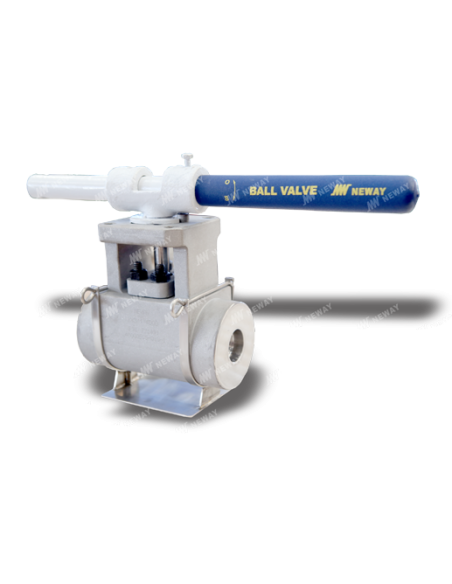


Size:1/2”~24”(DN15~DN600)
Pressure Rating: ASME CLASS 150~4500(PN16~PN760)
Body material: Carbon steel, Stainless steel, Alloy steel
End connection: BW,SW,RF
Operation: Handwheel, Gearbox, Pneumatic, Hydraulic, Electric



Neway ball valves are specified for isolation duties in conventional power plants where pressure, temperature, shutoff requirement, and cycling frequency must be checked against the project datasheet. Typical size range is DN15–DN600 / 1/2"–24", with pressure ratings ASME Class 150–4500 / PN16–PN760. Body materials include carbon steel, stainless steel, and alloy steel.
Applicable media include steam, boiler feedwater, condensate, treated water, compressed air, nitrogen, and compatible auxiliary gases. Selection must account for steam temperature, pressure drop, flashing risk, erosion potential, oxygen content in water service, and required leakage class.
Project specifications commonly reference ASME B16.34, ASME pressure classes, applicable flange or weld-end standards, and pressure testing to API 598 or equivalent project requirements. Material certificates such as EN 10204 3.1 may be required for pressure-retaining parts.
Can it be used for throttling? A standard ball valve is primarily an isolation valve. Throttling requires a characterized or control-trim design.
What drives the final selection? ASME class, design temperature, Δp, body material, end connection, seat type, leakage requirement, and actuator torque margin.
Size:1/2”~24”(DN15~DN600)
Pressure Rating: ASME CLASS 150~4500(PN16~PN760)
Body material: Carbon steel, Stainless steel, Alloy steel
End connection: BW,SW,RF
Operation: Handwheel, Gearbox, Pneumatic, Hydraulic, Electric
