
Automation
Valve and field instrument accessories are used for signal conversion, actuator positioning, pressure supervision, operating status indication, and interface with PLC, DCS, or local control panels. Selection should be based on valve type, on/off or modulating duty, control signal, instrument air pressure, supply voltage, feedback requirement, enclosure protection, and installation conditions.
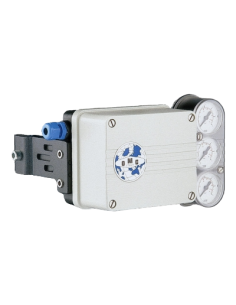
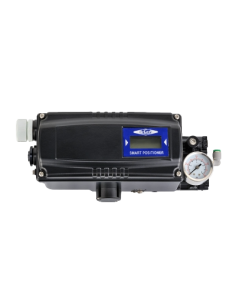
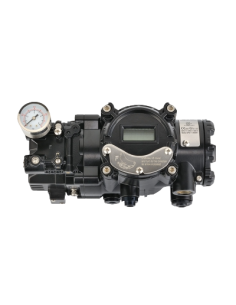
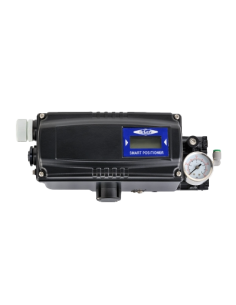
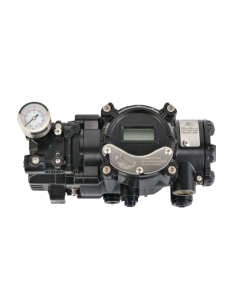
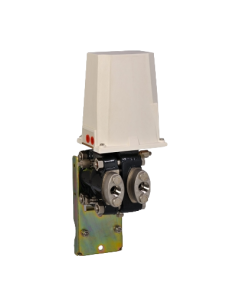
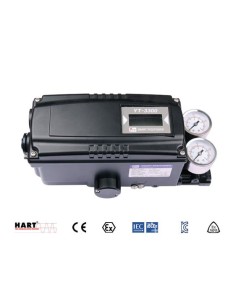
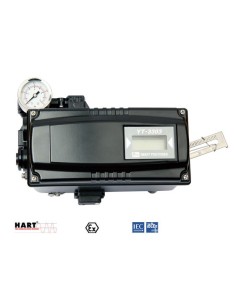
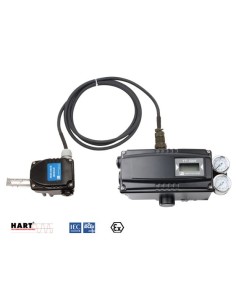
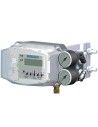
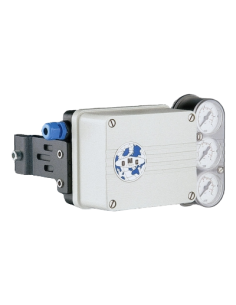
Positioners are applied on pneumatic linear or rotary actuators where the actual valve position must follow an analog command signal. As a reference, the STEVI-POS P20 operates with a 4–20 mA input and supports linear stroke from 10 to 120 mm or rotary travel from 25° to 100°. Instrument air supply is 1.4 to 7 bar, pneumatic connection is G1/4, enclosure protection is IP66, and ambient temperature range is -20°C to +80°C. These units are typically used on control valves in steam, condensate, water, thermal oil, and general process service where stable positioning and repeatability are required.
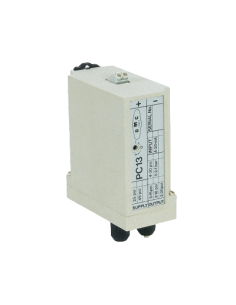
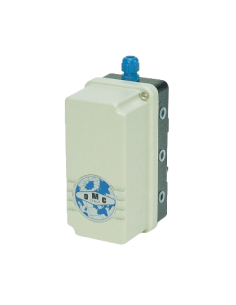
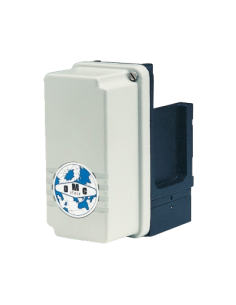
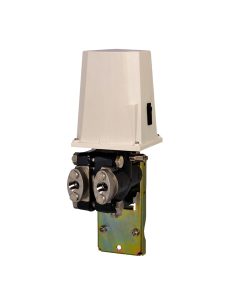
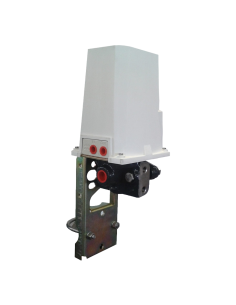
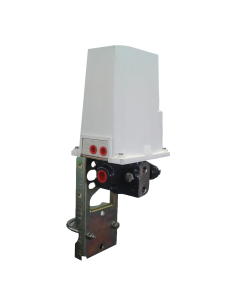
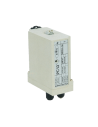
I/P converters are used to convert a DC electrical signal into a pneumatic output for positioners, pneumatic actuators, and analog control loops. The PC13 type is specified with pneumatic output ranges of 3–15, 2–18, 2–20, or 4–30 psi, with an ABS enclosure rated IP20 for panel installation. Selection should consider output range, air quality, signal compatibility, mounting arrangement, and suitability for the control architecture.
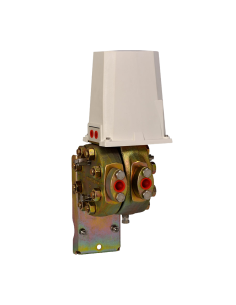
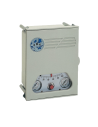
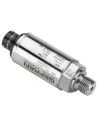
Gauge and differential pressure transmitters, as well as pressure sensors, are used in filters, pumps, tanks, HVAC systems, hydraulic systems, and pneumatic circuits for monitoring differential pressure, filter condition, line pressure, and equipment protection. Selection is based on measuring range, allowable overpressure, media compatibility, electrical output, process connection, and required accuracy. In wet steam, condensate, or contaminated service, attention should also be given to wetted materials, sealing arrangement, and clogging risk at impulse points.
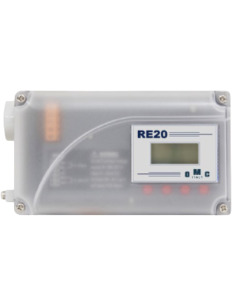
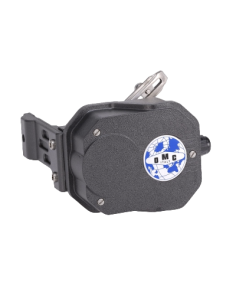
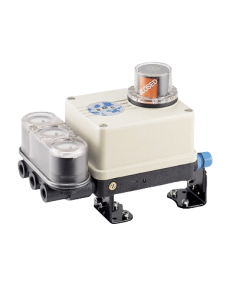
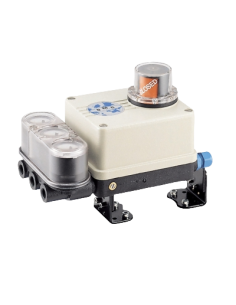
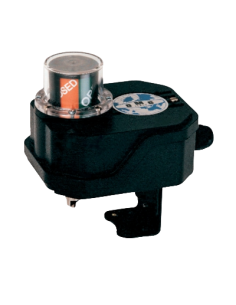
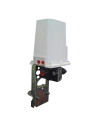
Position indication and alarm units, together with limit switches, confirm open/closed status, transmit discrete signals to PLC systems, and support interlocks or alarm logic. During maintenance, checks should include mechanical coupling, calibration, wiring integrity, enclosure sealing, repeatability, and correct signal assignment relative to valve position.