
Controllers & Programmers
Process controllers and programmers are used for local or embedded control of temperature, pressure, force, differential pressure, and valve position in industrial automation panels. Selection should be based on sensor type, input signal, PID control strategy, control outputs, alarm requirements, PLC/SCADA integration, and the dynamic response of the process.
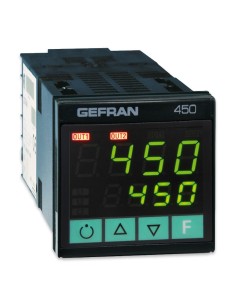
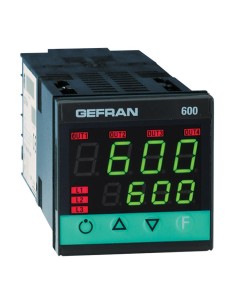
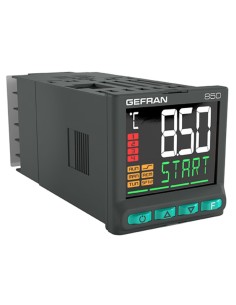
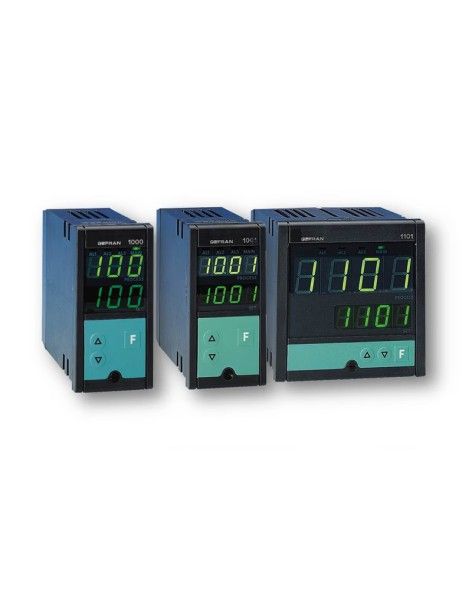
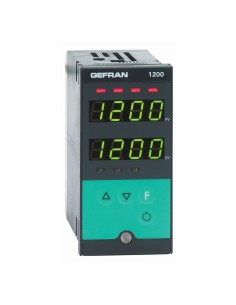
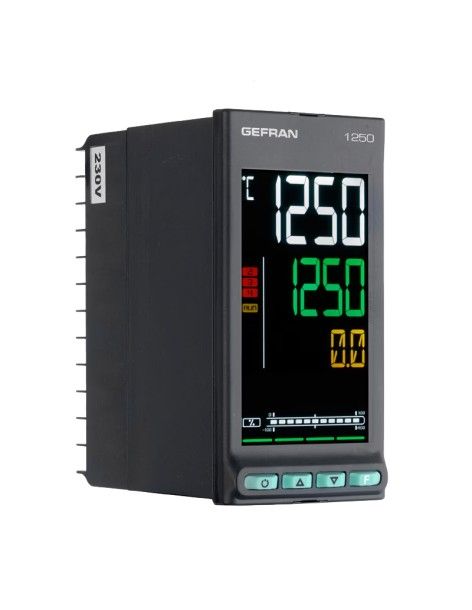
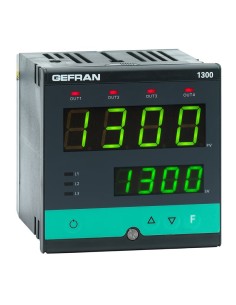
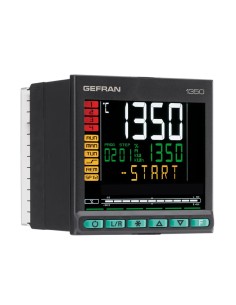
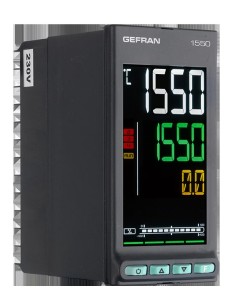
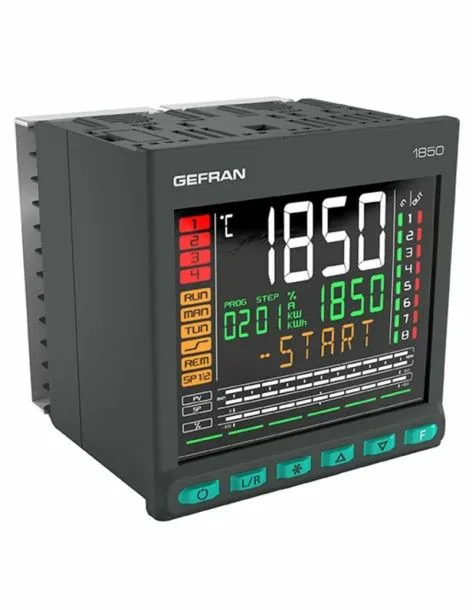
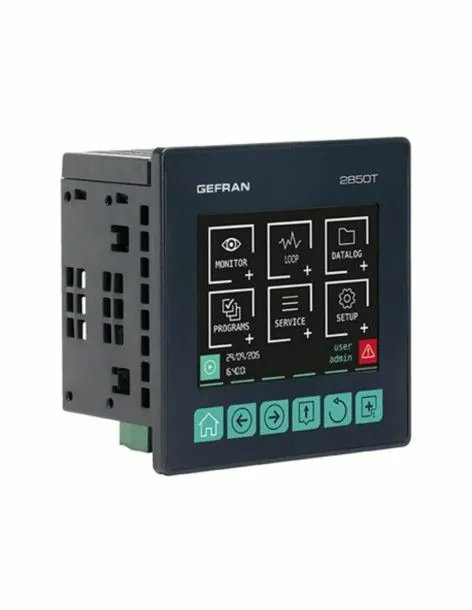
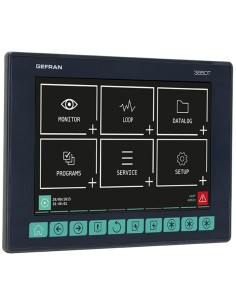
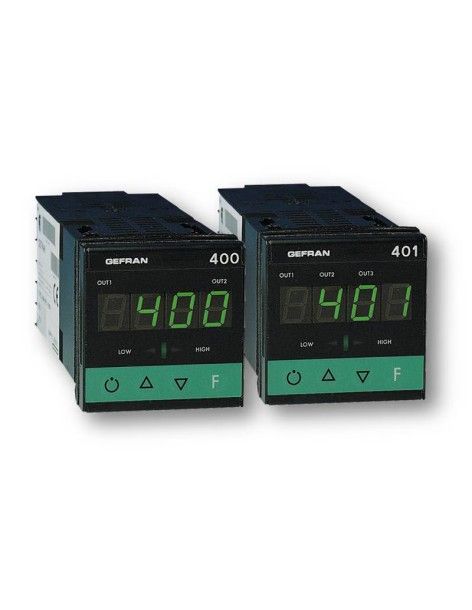
This category includes Gefran controllers in the 400-401, 450, 600, 600 OF, 650, 850, 1000-1001-1101, 1200, 1250, 1300, 1350, 1550, 1650, 1650CC, 1850, 2500, 2850T, and 3850T series, together with GFX Termo4 and GFX Valvole units. Compact panel controllers such as the 400-401 provide universal input for thermocouples, RTD Pt100, PTC, and linear signals including 0/4-20 mA and 0/2-10 V, with relay or logic outputs for heating, cooling, and alarm functions.
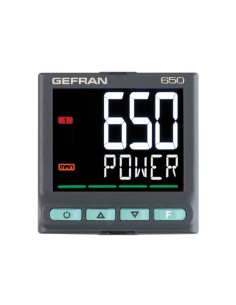
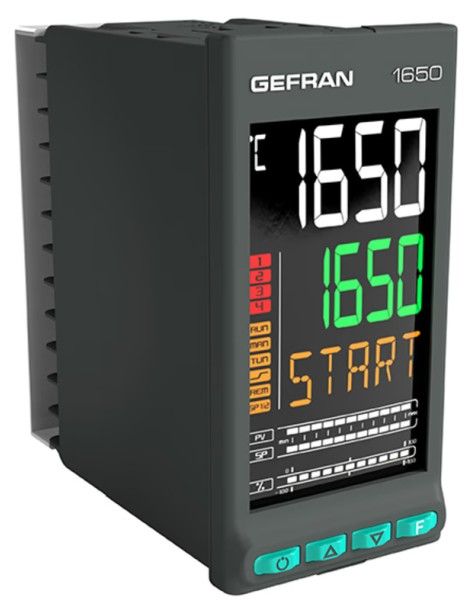
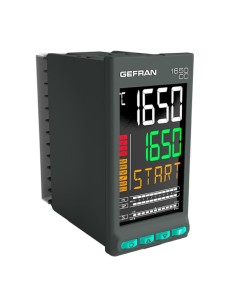
The 650 and 1650 series are applied in thermal processes requiring diagnostics, setpoint profiles, timers, parameter recipes, and Modbus communication. The 650 supports setpoint programming with ramp/hold steps, Modbus RTU, and 60 ms sampling time. The 1650 provides two PID loops, three universal inputs, up to 128 program steps, Modbus RTU/TCP, and an integrated web server for remote engineering access.
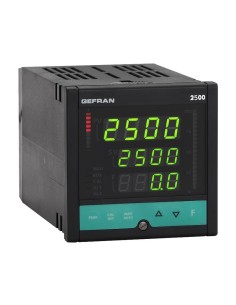
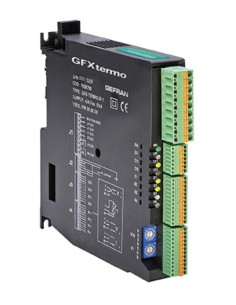
The Gefran 2500 is intended for fast-changing processes involving pressure, force, temperature, or differential pressure measurement. It accepts strain gauge, potentiometer, thermocouple, RTD, and analog inputs, and supports PID control with multiple parameter sets for varying operating conditions. For multi-zone temperature control, the GFX Termo4 manages four independent loops with hot/cold PID and fieldbus options including Profibus DP, CANopen, DeviceNet, Modbus RTU, and Ethernet Modbus TCP.
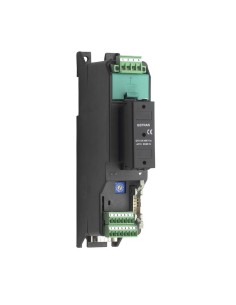
For motorized three-way valves, GFX Valvole provides open-close control with or without potentiometer feedback, including stroke time, minimum movement time, dead band, and PID or PD control parameters. During specification, the engineer should verify input calibration, protection against unintended parameter changes, fail-safe alarm behavior, signal noise immunity, sensor grounding, and communication protocol compatibility with the plant control architecture.