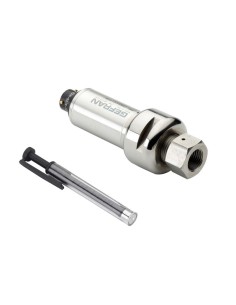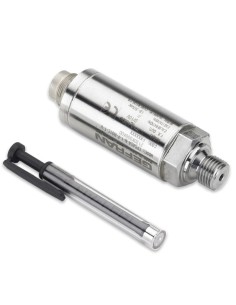

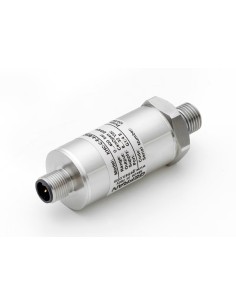
Pressure Sensors
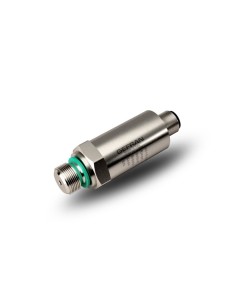
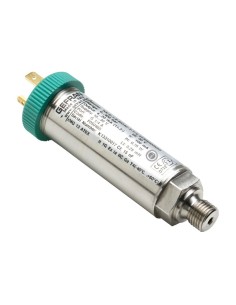
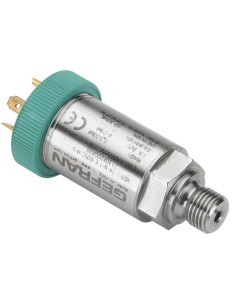
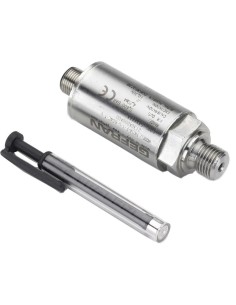
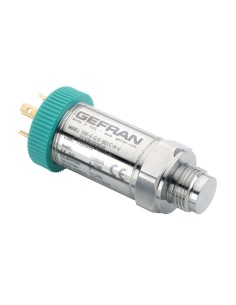
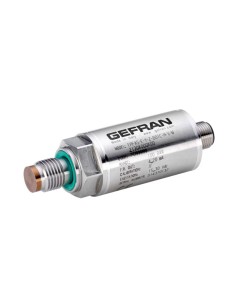
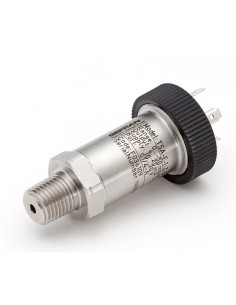
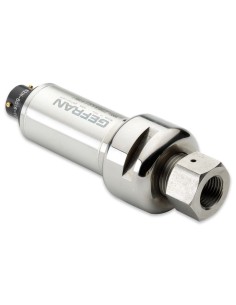
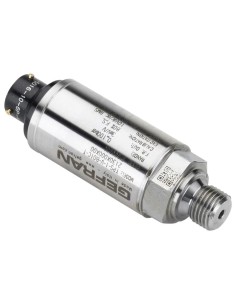
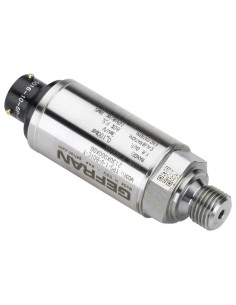
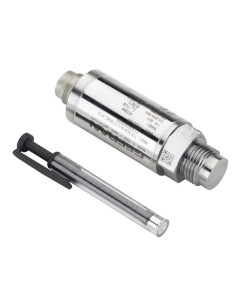
Pressure sensors and pressure transmitters are used for continuous pressure measurement in hydraulic, pneumatic, HVAC, refrigeration, pumping, and industrial control circuits. Selection should be based on pressure range, reference type, output signal, wetted-part material, operating temperature, IP protection, mechanical stress, and compatibility with PLC, DCS, or safety-related control systems.
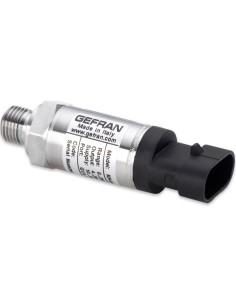
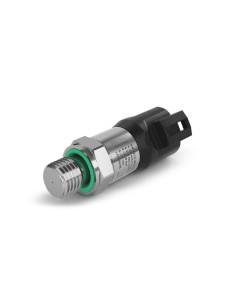
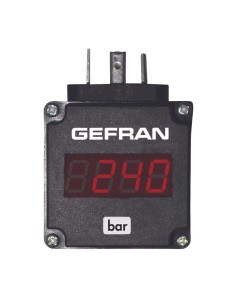
This category includes Gefran series KH, KHC, KM, KMC, KS, KS-I, KX, TDP-1001, TK, TKDA, TPF, TPFAS, TSA, TPH, TPS, TPSA, TPFADA, TPHADA, and TPSADA for analog, digital, or application-specific pressure measurement in industrial service. KH, KS, and KM use film or thick-film sensing elements on a stainless-steel diaphragm, with ranges up to 1000 bar and outputs such as 4–20 mA, 0–10 Vdc, or ratiometric, depending on model. KM series is also referenced for SIL2 / PLd applications and electromagnetic immunity up to 100 V/m.
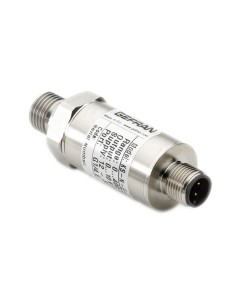
For mobile hydraulics and systems requiring digital communication, KHC and KMC support CANopen / J1939, while KS-I provides IO-Link 1.1 for transmission of pressure values and additional sensor diagnostics. KX is intended for hazardous areas, with ATEX 2014/34/EU compliance, SIL2 suitability, and measuring ranges from -1…+1 bar to 0…1000 bar.
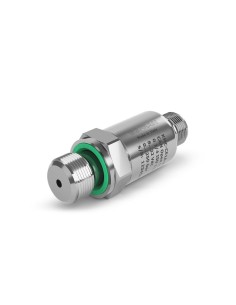
TPF and TPFADA use a flush 17-4PH diaphragm for viscous, contaminated, or residue-forming media, including oils, slurries, chemicals, and fluids that should not enter a recessed sensing port. TPH and TPHADA cover very high pressures up to 5000 bar for static and dynamic pressure measurement in hydraulic circuits, test benches, and waterjet systems.
During installation, verify process connection, allowable overpressure, pressure pulsation, vibration exposure, shield grounding, cleanliness of the pressure port, and periodic zero/span verification. In critical control loops, the sensor should be assessed together with cabling, signal conditioning, and alarm/interlock logic.