
| eClass-No.: | 37019090 |
| Application: | For automatic condensate-discharge during start-up and operation |
| Medium: | Steam, condensate, etc. |


Liquid Drainer | ARI

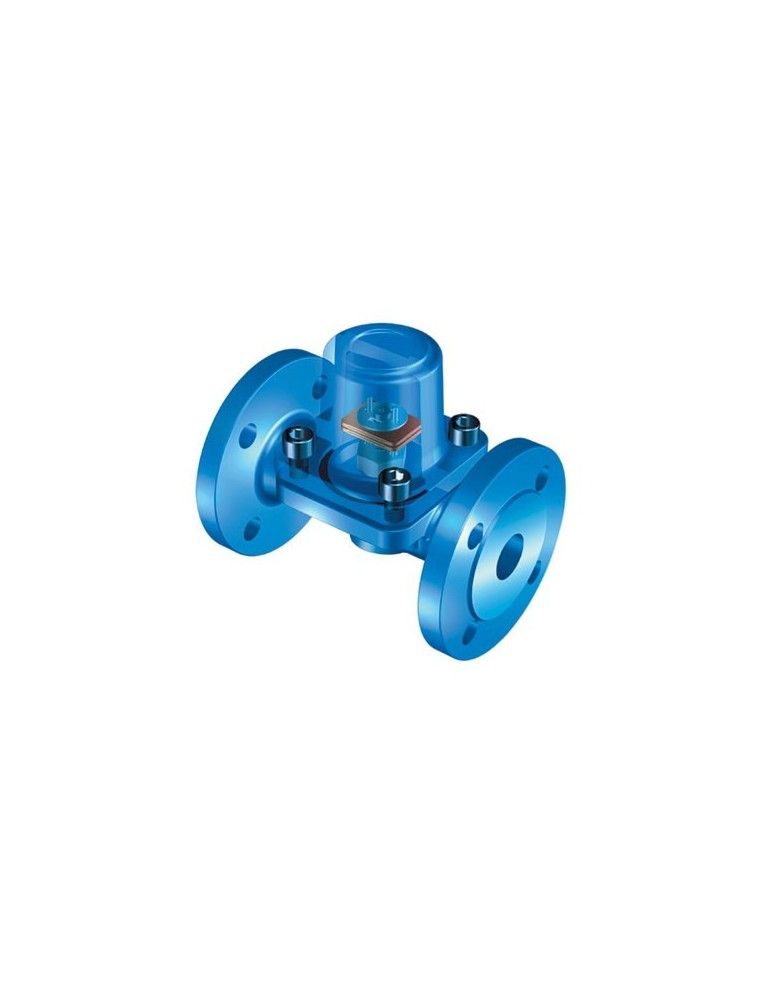
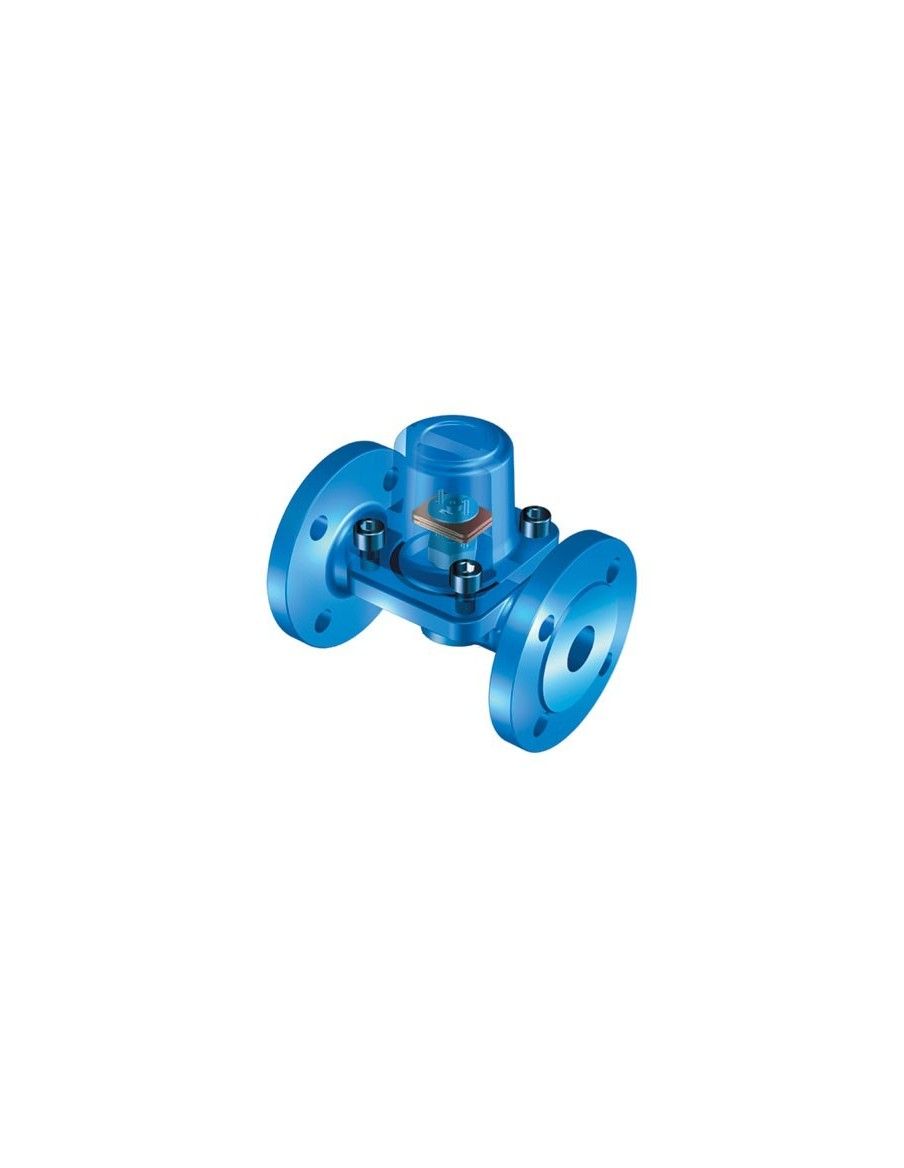
Automatic Drain Valve ARI CONA 665
The ARI CONA 665 is an automatic liquid drain valve designed for the removal of condensate from steam lines during startup and shutdown. Its operation is based on a spring and bimetallic controller; it remains open in a depressurized network and closes when the set differential pressure is reached, factory set at ≥1.5 bar.
Technical Specifications
- Nominal Diameters: DN15–DN25 / 1/2"–1"
- Pressure Ratings: PN16 and PN40
- Body Materials: EN-JL1040 / EN-GJL-250 for PN16, 1.0460 / P250GH for PN40
- Connections: EN 1092 flanges, Rp or NPT threads, socket weld, butt weld, detachable welded ends
- Temperature Limits: up to 300°C for PN16 and up to 450°C for PN40, depending on operating pressure
- Closure Pressure Setting: 0.5–2 bar upon selection
Applications
Used in:
- steam lines requiring drainage during startup,
- collectors and low points of piping,
- industrial boiler rooms,
- process installations with periodic operation,
- networks where residual moisture can cause water hammer.
Suitable media: steam condensate and compatible hot liquids. For corrosive or abrasive media, material compatibility checks are required.
Type Selection
Selection is based on:
- closure pressure,
- DN and PN,
- connection type,
- body material,
- installation point and available differential pressure.
PN16 covers typical lower pressure applications with cast iron. PN40 with forged steel is chosen for higher pressures and temperatures.
Maintenance and Leakage
Before startup, material, pressure, temperature, and flow direction should be checked. Welding residues or foreign bodies in the seat can lead to internal leakage. Maintenance includes cleaning or replacing the bimetallic controller and checking sealing surfaces.
FAQ
Does it require an external actuator?
No. It is a self-actuating component with mechanical/thermal operation.
Can it be installed horizontally or vertically?
Yes, maintaining the flow direction indicated on the valve body.
Datasheet and documents
Tests and Certificates
Tap to zoom