
| DGRL 2014/68/EU (PED Pressure Equipment Directive) | |
| TRB 801 Annex II No. 45 | |
| TRD 201 (Welding of components made of steel, manufacturing - inspection) | |
| AD 2000 | |
| DIN 3230 T1/T2/T3 (Technical conditions of delivery for valves) | |
| DIN EN 729-3 (Quality requirements of weldings) |

Condensate discharge temperature limiter | ARI

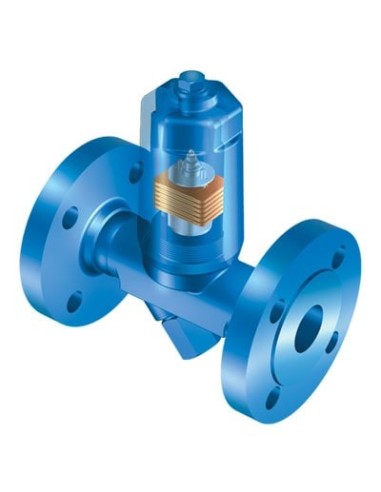
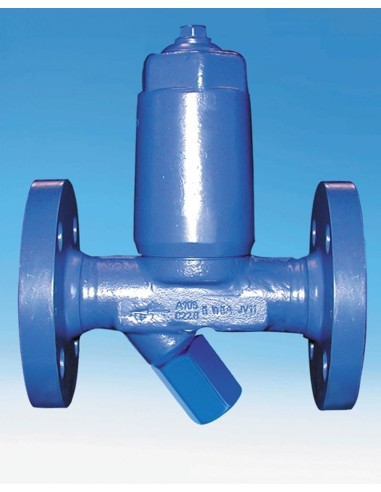
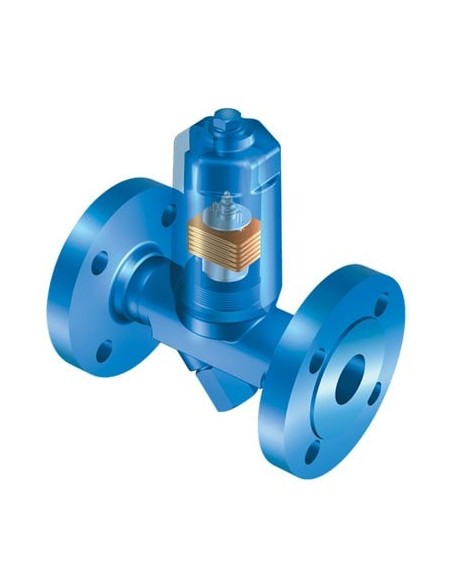
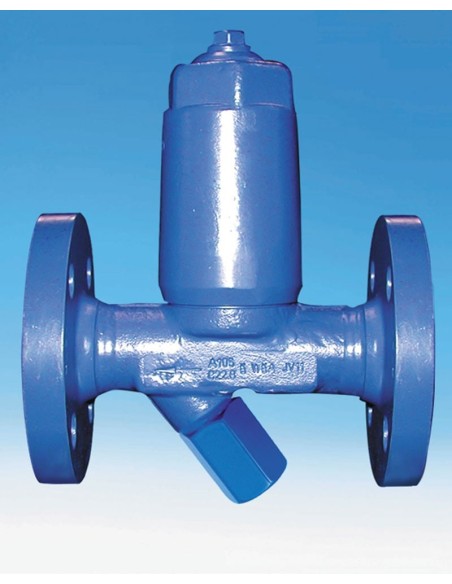
Condensate Discharge with Temperature Limiter ARI CONA 645/647
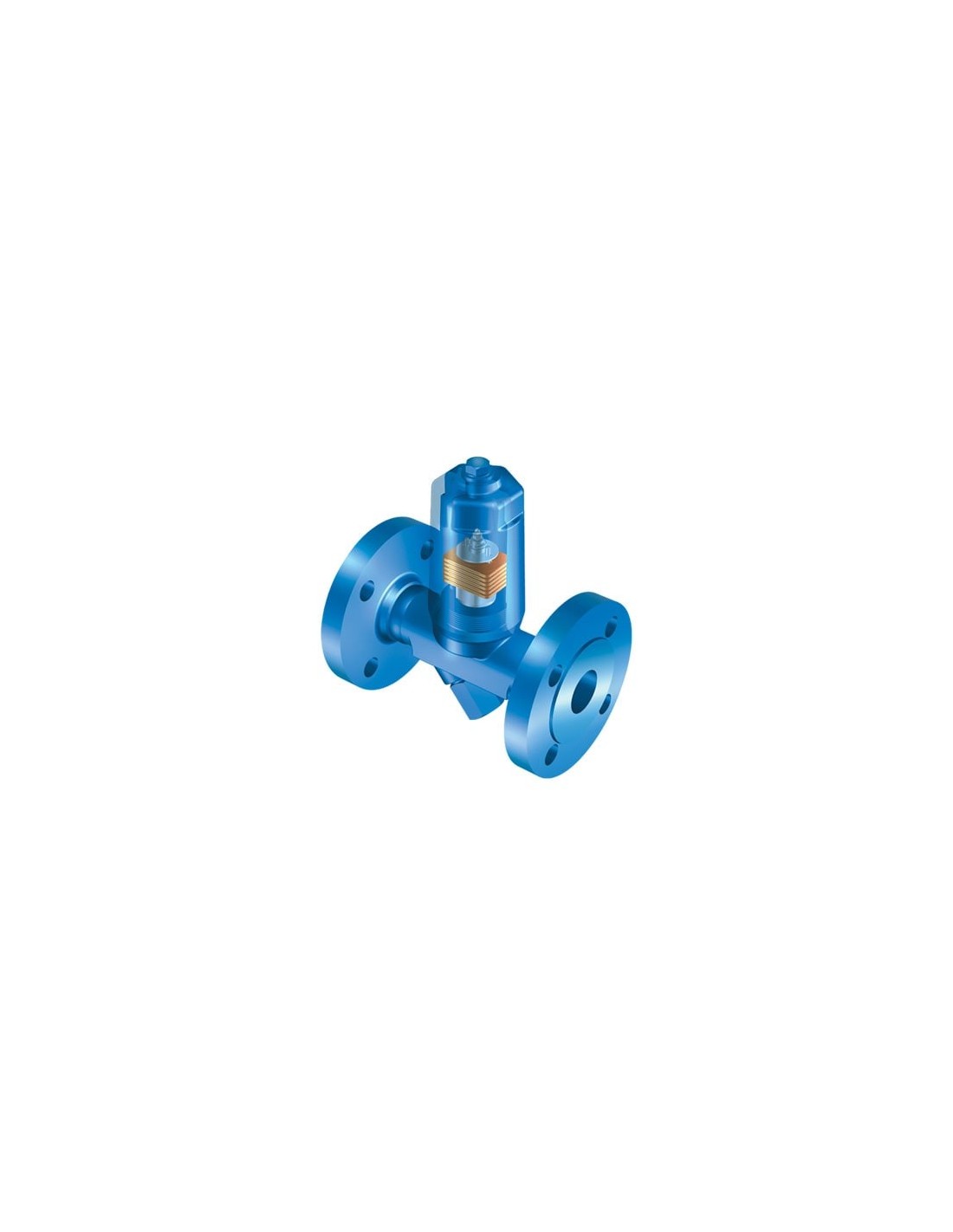
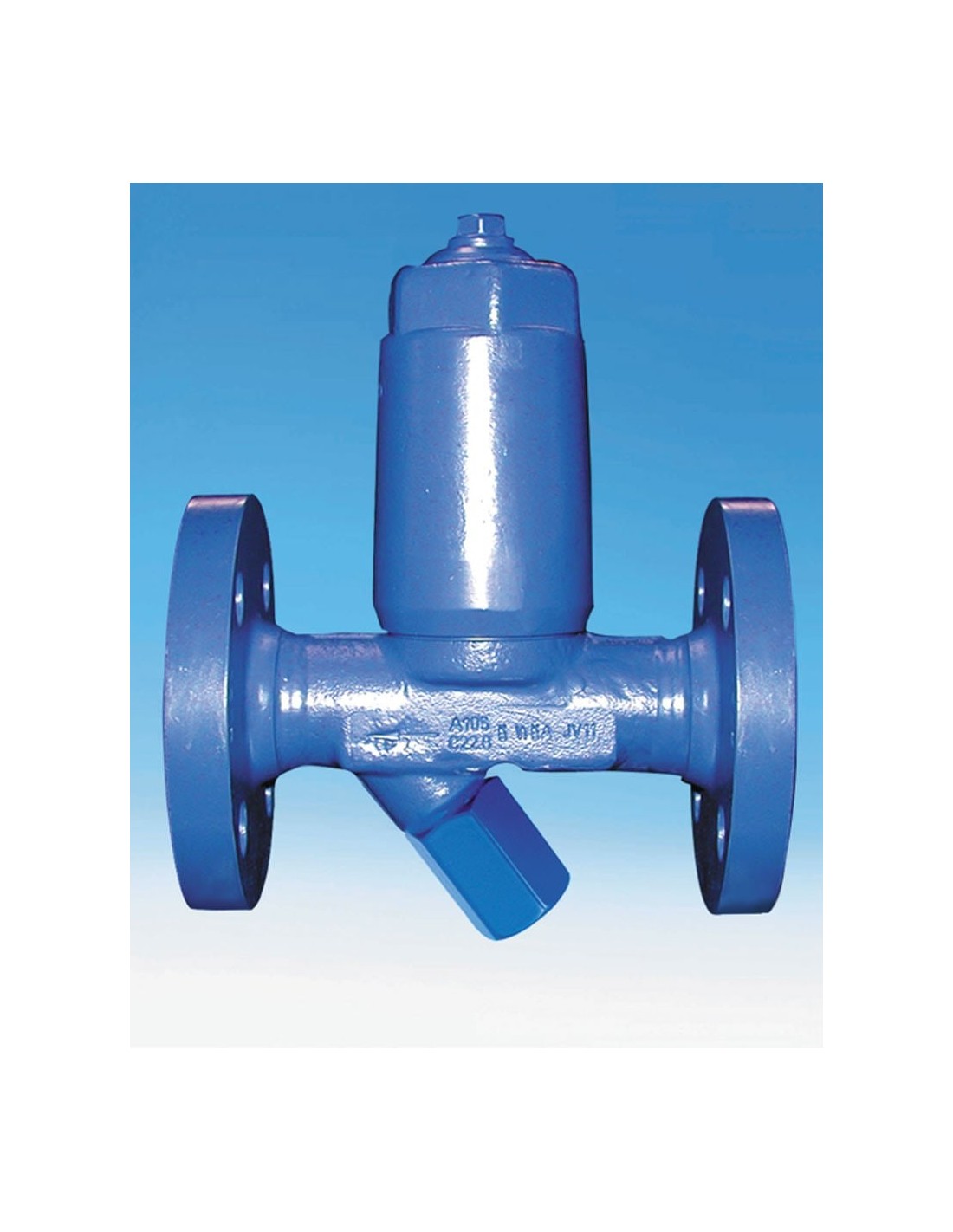
The ARI CONA 645 and 647 are thermostatic steam traps PN40 designed for condensate discharge at controlled temperatures, preventing secondary steam release at the drainage point. Operating temperature is adjustable between 60–140°C, controlled by a corrosion-resistant bimetallic element, suitable for hydraulic shock conditions.
Technical Specifications
- Types: CONA 645 / CONA 647(Y)
- PN: 40
- DN: 15–25 / 1/2"–1"
- Body Material: P250GH / 1.0460
- Max Conditions: 32 barg at 250°C, 22 barg at 385°C, 14.5 barg at 450°C
- Controller Differential Pressure: up to 32 bar, controller R32
- Connections: flanges EN 1092-1, thread Rp EN 10226-1 or NPT ANSI B1.20.1, socket weld EN 12760, butt weld prep EN ISO 9692.
Difference Between CONA 645 and 647
The CONA 645 includes an internal filter. The CONA 647(Y) uses an external filter, suitable for frequent cleaning or impurity drainage with an additional blowdown valve. Both types allow controller replacement without disconnecting pipe connections.
Applications
Suitable for:
- steam lines requiring condensate subcooling,
- hot and superheated water systems,
- industrial heating networks,
- points where return temperature must be limited,
- condensate drains requiring controlled discharge.
Installation is permissible in any position except with the cap facing down. Includes non-return protection and automatic venting during startup and operation.
Options
- Blowdown valve
- Thermometer with adapter
- Thermometer indication 0–160°C, up to 250°C upon request
FAQ
Is an actuator required?
No. Operation is self-actuated via a bimetallic controller.
When to choose 647 over 645?
When an external filter is needed, easier impurity removal, or blowdown usage.
Datasheet and documents
Tests and Certificates
Tap to zoom