Σπειροειδείς Εναλλάκτες Sondex/Danfoss | Φιλιππόπουλος α.ε.

Σπειροειδείς Εναλλάκτες Sondex/Danfoss

Σπειροειδείς εναλλάκτες θερμότητας SONDEX® / Danfoss

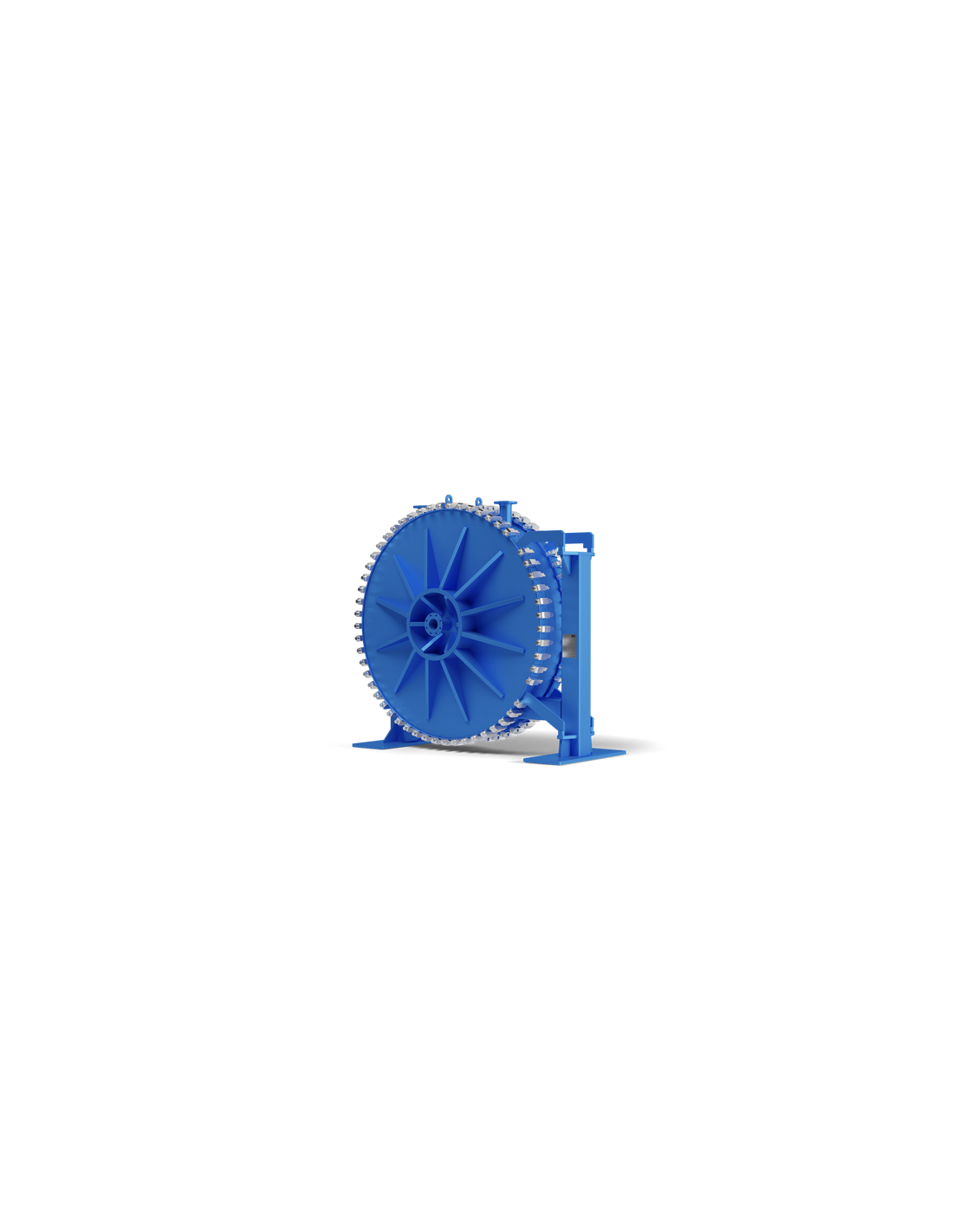
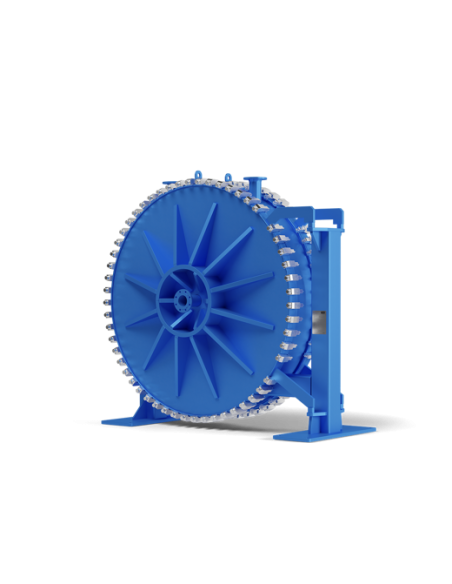
Οι σπειροειδείς εναλλάκτες SONDEX® SonSPV χρησιμοποιούν δύο ελικοειδή κανάλια ροής αντί για δέσμη σωλήνων. Η διάταξη είναι κατάλληλη για ρευστά με ιξώδες, στερεά, ίνες ή αυξημένη τάση fouling, όπως λάσπες, slurries, λύματα και ρεύματα διεργασίας με σωματίδια.

Λειτουργική αρχή

Η σπειροειδής διαδρομή δημιουργεί μονοκάναλη ροή με αυξημένες διατμητικές τάσεις. Όταν αρχίζουν επικαθίσεις, η τοπική μείωση διατομής αυξάνει την ταχύτητα και βοηθά στον περιορισμό της συσσώρευσης. Αυτό δεν καταργεί την ανάγκη καθαρισμού, αλλά επηρεάζει τα διαστήματα συντήρησης ανάλογα με το μέσο.

Εφαρμογές

Τυπικές χρήσεις:

  • λύματα, βιοαέριο και sludges,
  • πολτός χαρτιού και ίνες κυτταρίνης,
  • χημικά και πετροχημικά ρεύματα,
  • βαριά βιομηχανία,
  • μελάσα, vinasse και παχύρρευστα ρεύματα ζάχαρης.

Τεχνικά στοιχεία επιλογής

Βασικές παράμετροι:

  • επιφάνεια εναλλαγής: 1–500 m²,
  • συνδέσεις: DN25–DN300,
  • πίεση λειτουργίας: έως 10 bar, με υψηλότερες πιέσεις κατόπιν σχεδιασμού,
  • θερμοκρασία λειτουργίας: -20 °C έως 200 °C,
  • μέσα: υγρά, ατμός και αέρια.

Υλικά και διαμορφώσεις

Τα υλικά σπείρας και κελύφους περιλαμβάνουν P355GH, AISI 304, AISI 316L και AISI 904L. Τα παρεμβύσματα διατίθενται σε NBR, EPDM, PTFE ή γραφίτη. Υπάρχουν κανάλια με αποστάτες ή Free Flow χωρίς αποστάτες για μέσα με στερεά και ίνες. Η κατασκευή μπορεί να είναι ανοιγόμενη για μηχανικό καθαρισμό ή συγκολλημένη για καθαρά ρευστά.

Πρότυπα

Ο σχεδιασμός καλύπτει EN 13445, PED 2014/68/EU και ASME Section VIII Div. 1. Οι συνδέσεις μπορούν να προσαρμοστούν σε γνωστά βιομηχανικά πρότυπα ανά έργο.

FAQ

Πότε επιλέγεται σπειροειδής εναλλάκτης;
Όταν το ρευστό φράζει ή ρυπαίνει εύκολα συμβατικούς εναλλάκτες.

Πότε χρειάζεται ανοιγόμενη έκδοση;
Όταν προβλέπεται συχνός έλεγχος ή μηχανικός καθαρισμός.

Τι στοιχεία απαιτούνται για διαστασιολόγηση;
Παροχές, θερμοκρασίες, πίεση, ιξώδες, στερεά, επιτρεπτή πτώση πίεσης και πρόγραμμα καθαρισμού.

Τεχνικά Φυλλάδια / Οδηγίες Χρήσης / Λοιπά

Περιγραφή

Exceptionally well-suited for sludges, slurries, waste water, fouling, liquids with high viscosity, and liquids that contain fibers and solids, our SONDEX® spiral heat exchangers are the definitive solution for applications that require treatment of challenging fluids. The design allows for a countercurrent flow that makes it possible to achieve very close temperature approaches.

Since we use coiled metal sheets instead of tube bundles, we can achieve very high thermal performance without sacrificing the channel gap that lets the media flow unimpeded.

The spiral coil itself also contributes to the turbulent flow, and the single-channel design helps alleviate fouling with a “self-cleaning” effect. Accumulated deposits create local increases in velocity, creating a scrubbing effect that is enough to loosen the build-up in fouling in most cases. This allows our SONDEX® spiral heat exchangers to operate in very long sessions without maintenance or cleaning.

Some media, however, are so challenging that the heat exchanger requires more frequent maintenance and cleaning. With this in mind, we have designed hinged covers that are sealed with C-clamps, creating a swing door that is very easy to open and close without any special tools required, letting you access the entire coil for inspection and cleaning.

Features and benefits

  • Exceptionally well-suited for sludges, slurries, waste water, fouling, liquids with high viscosity, and liquids that contain fibers and solids, our SONDEX® spiral heat exchangers are the definitive solution for applications that require treatment of challenging fluids. The design allows for a countercurrent flow that makes it possible to achieve very close temperature approaches. Since we use coiled metal sheets instead of tube bundles, we can achieve very high thermal performance without sacrificing the channel gap that lets the media flow unimpeded. The spiral coil itself also contributes to the turbulent flow, and the single-channel design helps alleviate fouling with a “self-cleaning” effect. Accumulated deposits create local increases in velocity, creating a scrubbing effect that is enough to loosen the build-up in fouling in most cases. This allows our SONDEX® spiral heat exchangers to operate in very long sessions without maintenance or cleaning. Some media, however, are so challenging that the heat exchanger requires more frequent maintenance and cleaning. With this in mind, we have designed hinged covers that are sealed with C-clamps, creating a swing door that is very easy to open and close without any special tools required, letting you access the entire coil for inspection and cleaning.
  • The channel size is selected to fit the flow and qualities of the media. The many variations in diameters and widths of the spiral coil allow for many different combinations, which mean that we can create the optimal solution for every duty.
  • Designed to handle a very aggressive temperature program and with a wide range of materials and plate thicknesses available, we customize each spiral heat exchanger to match the requirements of any application.
  • Limited need for maintenance and cleaning ensures extended operational uptime. If the need for cleaning arises due to particularly difficult media, the hinged covers provide easy access to the entire heat transfer surface.
  • Very compact solutions, our spiral heat exchangers have minimal space requirements. Despite their small stature, the long, curved flow paths allow for very high heat transfer coefficients up to twice as high as their shell and tube counterparts.

Applications

  • Dairy/food/beverage industry
  • Biogas industry
  • Wastewater industry
  • Pulp and paper industry
  • Heavy industry
  • Petrochemical industry
  • Chemical industry

Technical specifications

  • Connections from DN32 to DN300 (1 1/4" to 12")
  • (Frames designed according to FEA and PED 2014/68/EU (EN13445) and ASME sec VIII, Div. 1 construction standards)
  • Shell materials: Carbon steel, stainless steel
  • Spiral materials: Carbon steel, stainless steel
  • Working pressure up to 16 bar (145 psi)*
  • Working temperatures from -20 °C to 200 °C (-4 °F to 392 °F)

*Higher pressure available upon request