
Condensate Recovery and Return Station - CORsys St | ARI

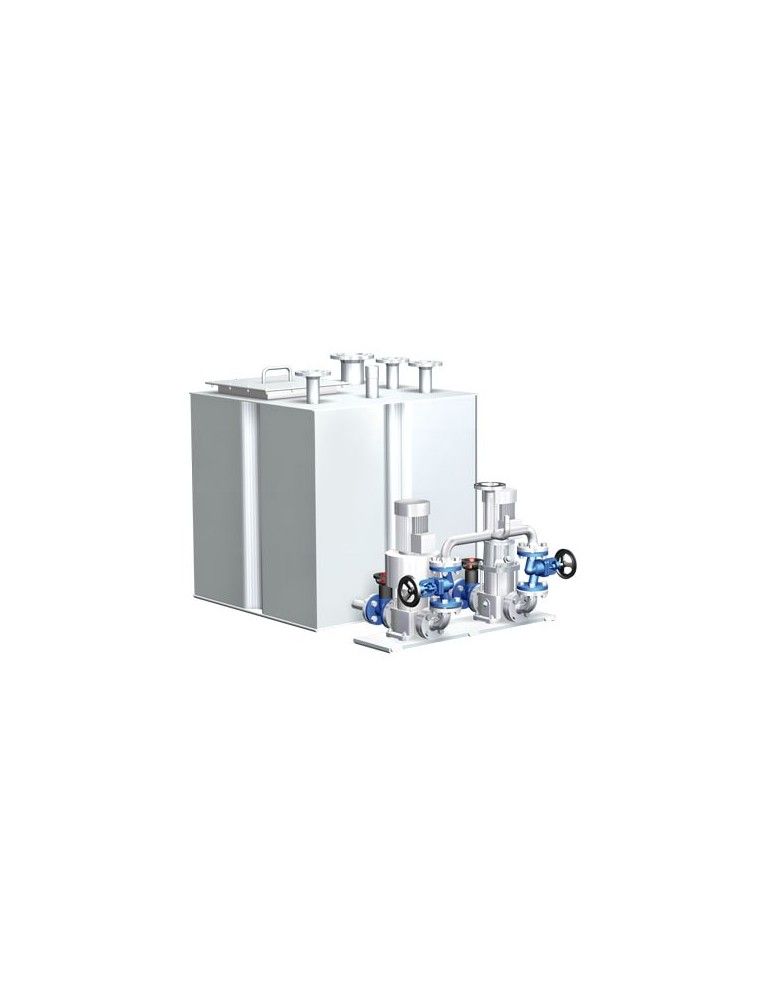
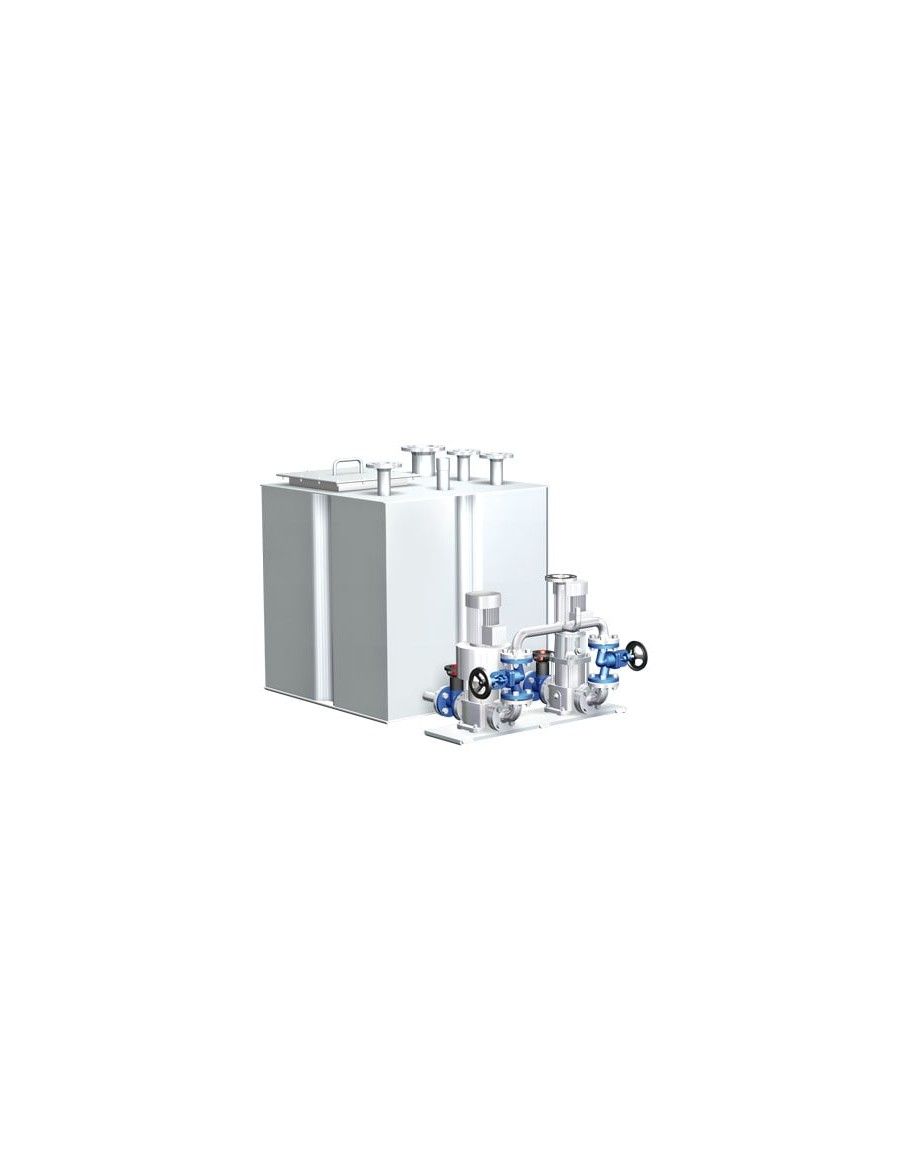
ARI-CORsys®-St – Condensate Recovery and Return Station
The ARI-CORsys®-St is a pre-assembled condensate return station for steam networks. Condensate is collected in an open receiving tank and pumped back to the boiler system, reducing the need for new feedwater and thermal replenishment. Available tank volume ranges from 150 to 2000 L.
Operating Principle
The tank level controls the start and stop of the pumps. When the upper level is reached, the pump starts; when the level drops to the predefined minimum, it stops. The setup may include high-level and low-level alarms and main pump switching in dual-pump versions.
Construction and Materials
- CORsys®-St: S235JRG2 / St37 tank with zinc protection.
- CORsys®-SSt: 1.4541 tank, 1.4401 pump, and optional 1.4408 valves.
- Low NPSH pumps to limit cavitation in hot condensates.
- Isolation valves on suction and discharge for maintenance without full line disassembly.
Operating Limits and Control
The tank operates at atmospheric pressure and vents to the atmosphere through a steam line; this line should not be isolated. The maximum system temperature is specified at 95 °C. The basic electrical protection rating is IP54 according to EN 60529.
Selection and Sizing
Selection requires:
- Condensate flow rate in m³/h or kg/h,
- Pump head,
- Number and DN of condensate inlets,
- DN of vent, overflow, and discharge,
- Material of tank and pump,
- Available installation space,
- Need for single or dual pump.
As per ARI documentation, the tank volume corresponds to approximately 1/4 to 1/3 of the generated condensate flow, while the pump flow is selected to be about 2 to 3 times the condensate flow.
Applications
Suitable for steam boiler rooms, heat exchangers, process heaters, industrial steam distribution networks, food installations, pharmaceutical units, and steam HVAC systems.
FAQ
When is a stainless steel version selected?
In corrosive environments, increased cleanliness requirements, or when condensate chemistry is incompatible with carbon steel.
Why is tank ventilation required?
To prevent unwanted pressure buildup in the tank and ensure unobstructed condensate entry.
Datasheet and documents