
Pulse Line


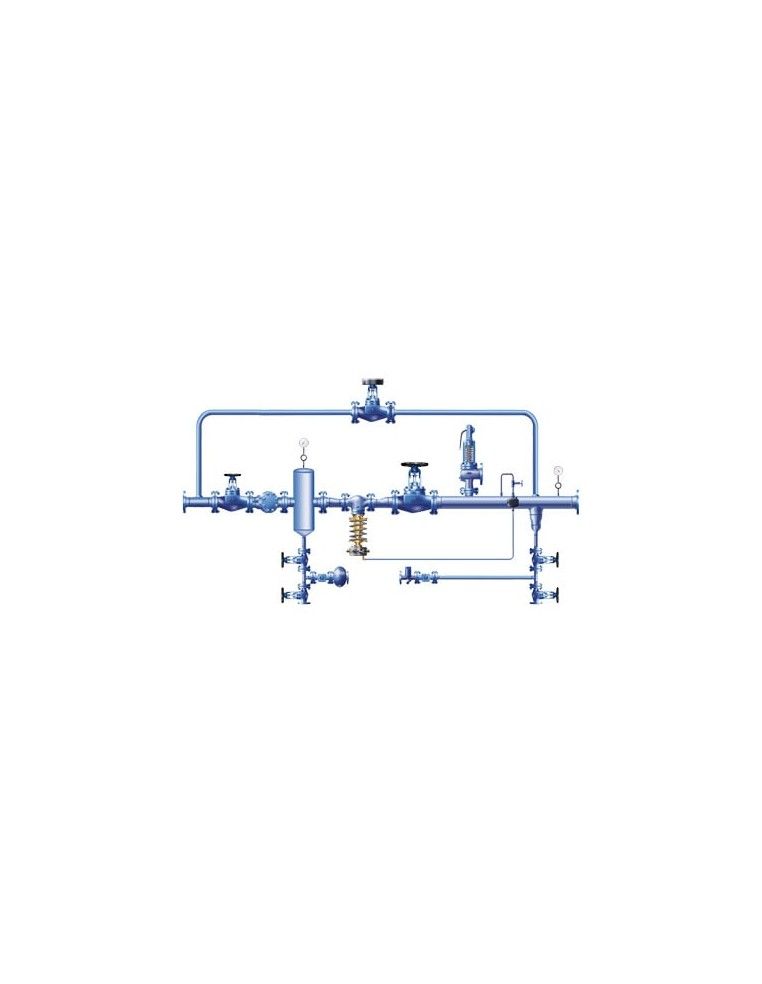
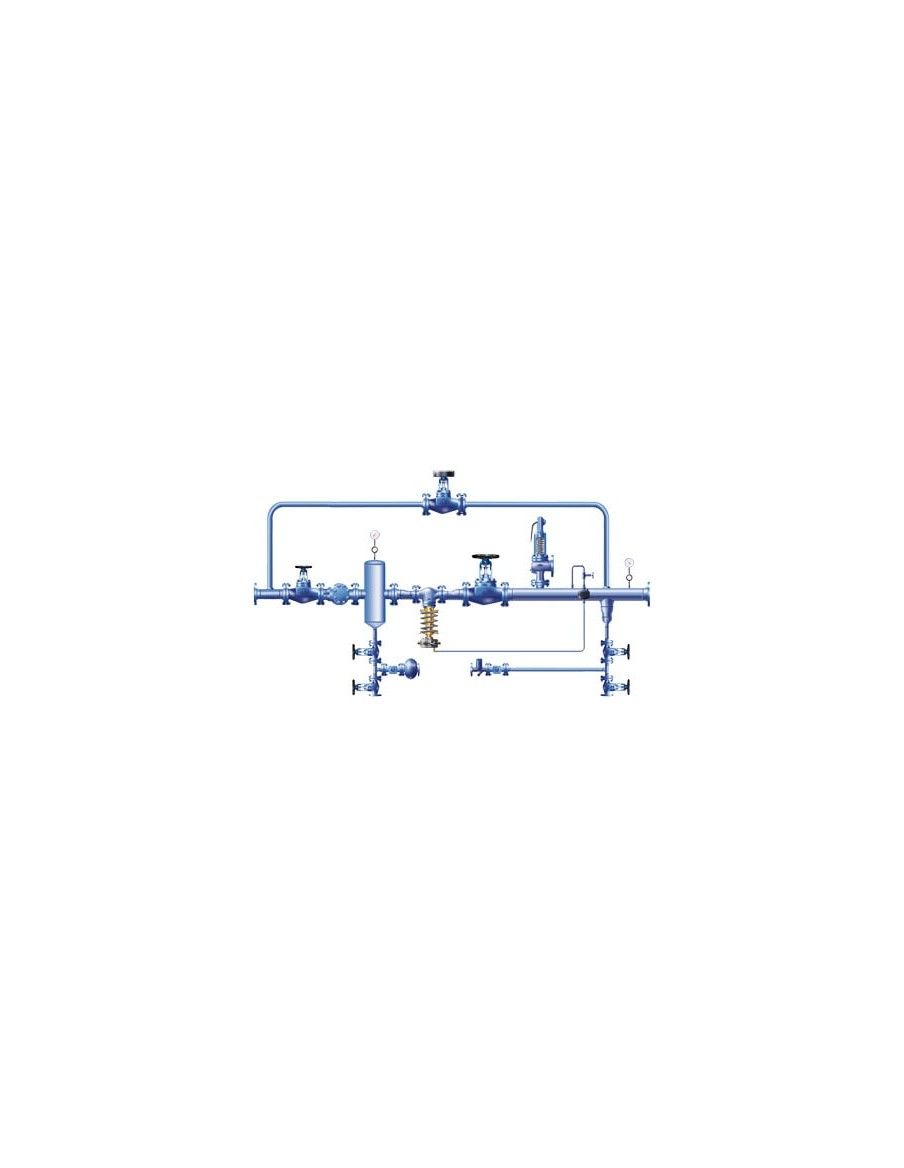
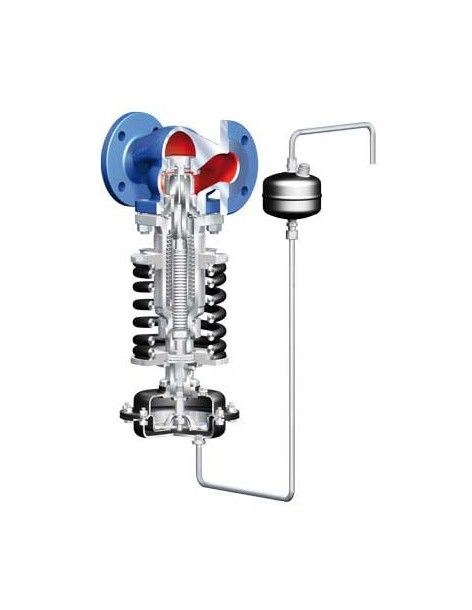
The ARI-PREsys®-S is a pre-assembled pressure reduction station for steam networks, designed to adjust from a higher inlet pressure P1 to a lower operating pressure P2. It can be configured as a standalone direct-acting unit or with electropneumatic control via transmitter, PID controller, and positioner.
PRS-S: basic configuration for steam.
PRS-S Plus: with condensate drainage on P1 side.
PRS-S Complete: with bypass, steam dryer, P1/P2 drainages, and full field instruments.
Duplex: dual reduction line for installations requiring operational redundancy.
The standard setup may include ARI-PREDU pressure reducer, ARI-SAFE safety valve, ARI-FABA-Plus isolation valves, Y-filter, P1/P2 manometers, ARI-CONA steam traps, visual flow indicators, bypass, and stainless steel bellows for sealing maintenance reduction.
Used in steam substations, heat exchangers, industrial process lines, steam HVAC, CIP/SIP cleaning, and supply to consumers requiring stable P2 pressure.
Proper sizing requires: medium, P1, P2, temperature, flow rate kg/h or kW, maximum possible flow, available space, required bypass, condensate drainage, and material class. The safety valve must be calculated based on maximum possible flow, not just normal operating load.
When is electropneumatic control selected?
When tighter P2 regulation, remote setpoint, or integration into an automation system is required.
Why is a filter needed before the reducer?
To protect the seat, disc, and control line from particles that can cause leakage or regulation instability.
Accessories & Compatibility