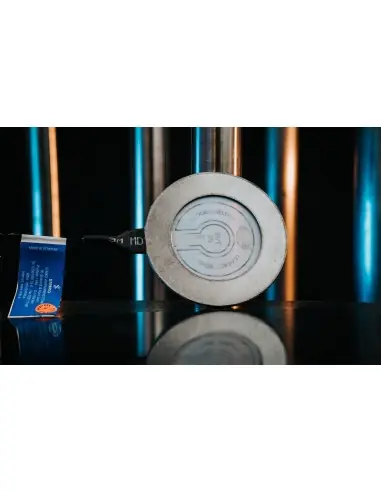
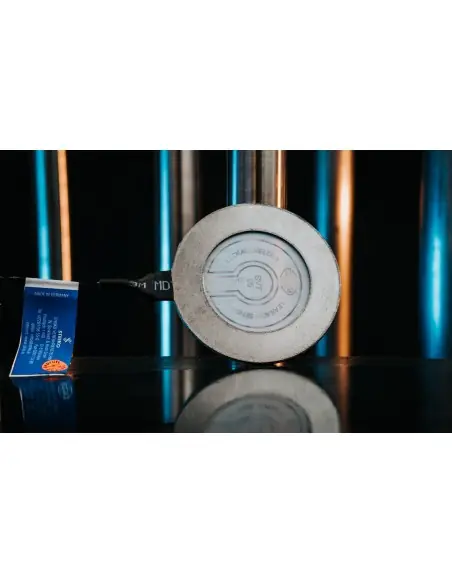
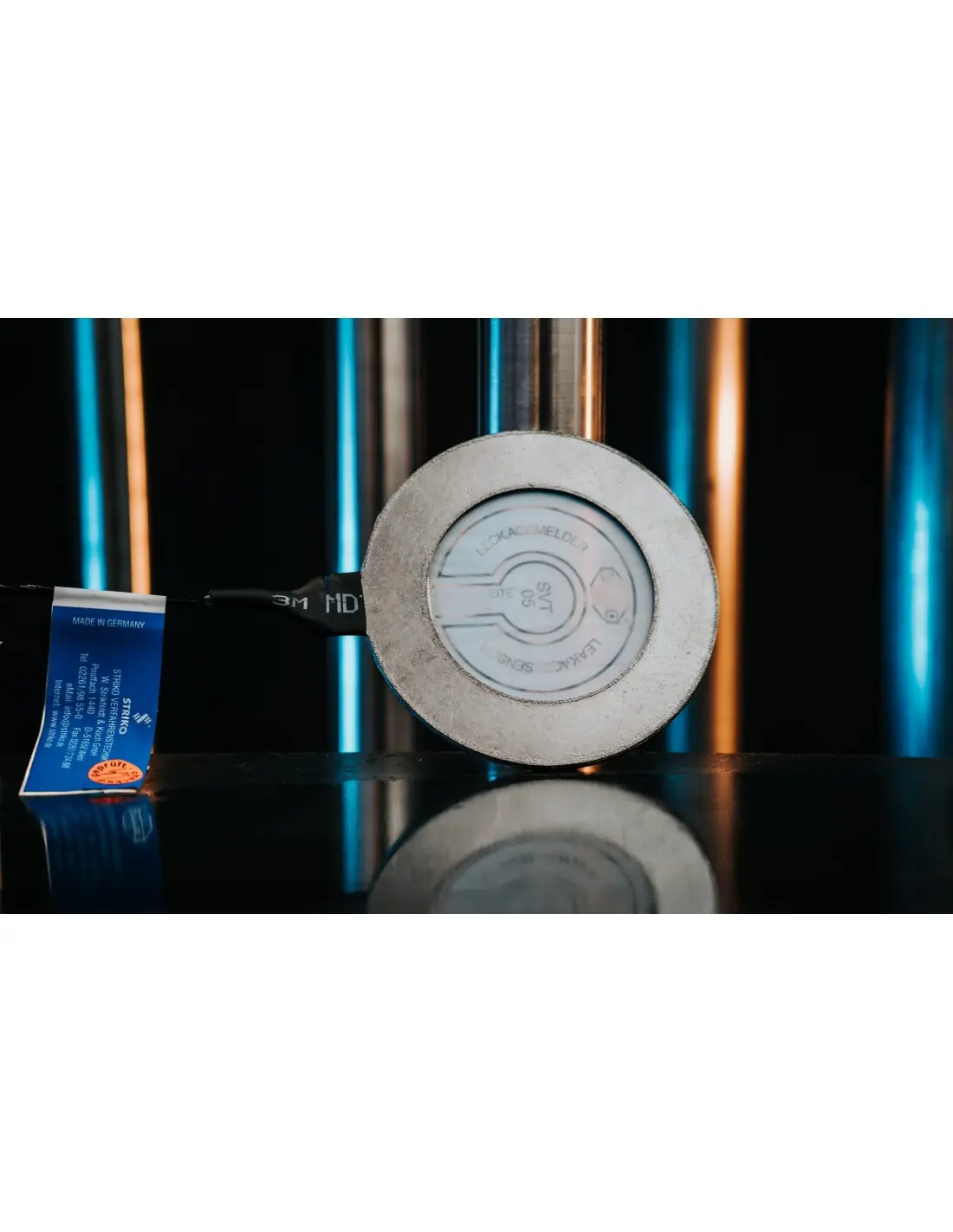
Leakage Sensor Typ SVT 05 | Striko

Leakage Sensor Typ SVT 05 | Striko: Reliable Protection for Your Industrial Systems
Ensure peace of mind in your industrial environment with the Leakage Sensor Typ SVT 05 | Striko. Designed for robust performance, this advanced leakage sensor uses innovative detection technology to safeguard equipment, prevent costly downtime, and protect your operations from unexpected fluid leaks. It’s the smart, dependable choice for businesses prioritizing safety and efficiency.
Features & Benefits of the Leakage Sensor Typ SVT 05 | Striko
- Early Leak Detection: Spot leaks as soon as they start. The Leakage Sensor Typ SVT 05 | Striko responds instantly to any moisture, helping you avoid damage before it happens.
- Easy Integration: Designed for compatibility, this sensor fits seamlessly into existing industrial systems. Installation is straightforward, ensuring minimal interruption to operations.
- Robust Design: Built with durable materials, the SVT 05 withstands challenging industrial conditions. Reliable operation is guaranteed even in demanding environments.
- Low Maintenance: Engineered for long-term use, the sensor requires minimal upkeep. You can focus more on your core business, with less worry about system checks.
- Clear Alerts: Audible and visual alarms notify you immediately when leaks are detected. Quick notifications mean faster response times, helping to reduce potential damages.
- Versatile Application: Suitable for various industrial liquids, it adapts to multiple systems, enhancing the safety of pumps, tanks, and pipelines alike.
The Leakage Sensor Typ SVT 05 | Striko stands out for its ability to spot minor leaks before they become major problems. Its sensitive detection technology ensures a high level of accuracy, minimizing false alarms while maximizing safety. With easy-to-follow indicators, anyone on your team can quickly understand what action is needed.
User-friendly features make this sensor a must-have for industrial safety. The compact design fits into tight spaces and works effectively even in harsh environments. Whether you’re monitoring coolant, oil, or water lines, the SVT 05 adapts to your needs.
Protect your assets and maintain productivity with the trustworthiness of the Leakage Sensor Typ SVT 05 | Striko. It’s the essential solution for modern industrial leak detection, combining advanced features with everyday usability for reliable, around-the-clock monitoring.
Datasheet and documents

Description
Certificates
Tap to zoom