
Pressure Relief Valves For Tanks
Tank pressure relief valves are used on atmospheric and low-pressure storage tanks to protect against overpressure during filling, thermal expansion, inert gas blanketing, or failure of the normal tank breathing system. Valve selection should be based on required relieving capacity, set pressure, allowable pressure accumulation, compatibility with the stored medium, and the tank venting arrangement.
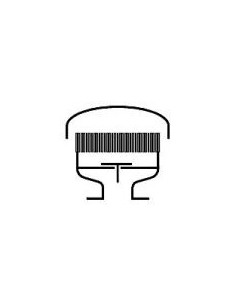
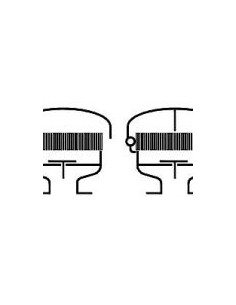
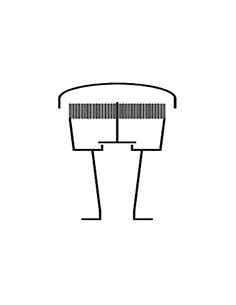
This category includes KITO pressure relief valves of types C7N, C7.1N, C7.3N, C7.4N, C8.1N to C8.6N, C9.8N, C9.9N, C9.10N, and C10.1N. C7 and C9 types incorporate a flame arrester element for protection against deflagration and endurance burning. C8 and C10 types are pressure relief or emergency venting devices without explosion or stabilized burning protection.
Flame-arresting versions are typically installed on the tank roof in combination with a vacuum relief valve to discharge excess internal pressure while limiting flame transmission into the tank. For KITO DS/KS types, application is specified for media in explosion group IIA with MESG > 0.9 mm and a maximum operating temperature of 60 °C. An explosion-proof condensate drain is also available as an option where condensate formation may affect the vent path.
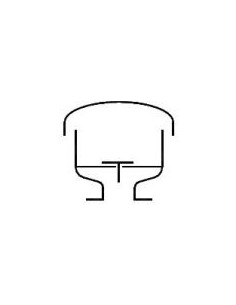
C8 types are used as venting devices on tanks equipped with VRV protection to prevent hazardous overpressure and reduce losses of gas or vapor during normal operation. Type C10.1N is designated as an emergency venting device and may also be used as a manhole replacement where the design basis requires increased emergency relieving capacity.
Available configurations include DIN execution, flanged connections, pressure classes PN 10, PN 16, and PN 40, and materials such as 1.0619, 1.4301, 1.4408, 1.4571, and carbon steel. Maintenance should include inspection of the seat, disc, weight- or spring-loaded setting mechanism, gaskets, vent flow path cleanliness, corrosion, and any increase in flow resistance caused by polymerized deposits or condensate accumulation.