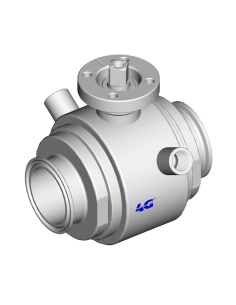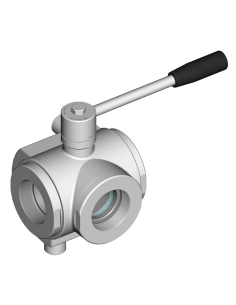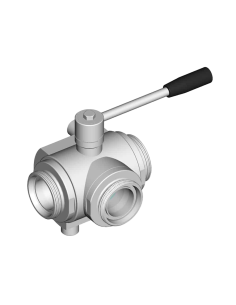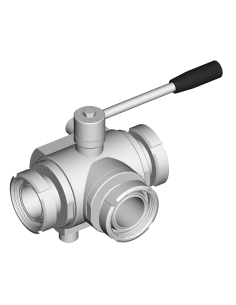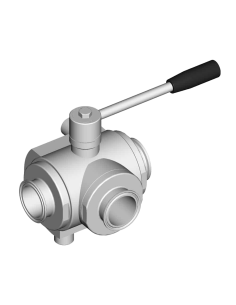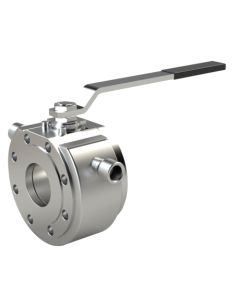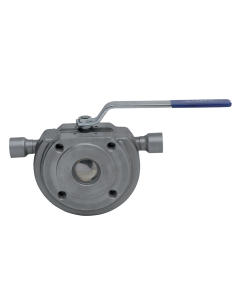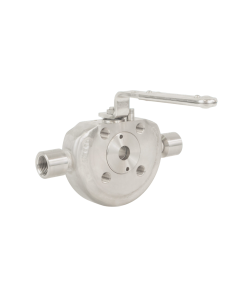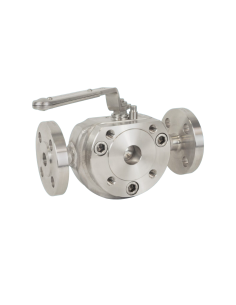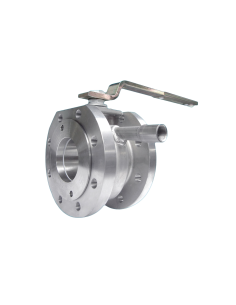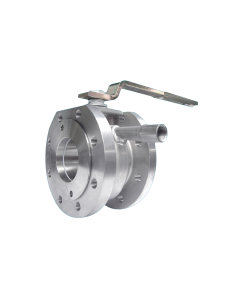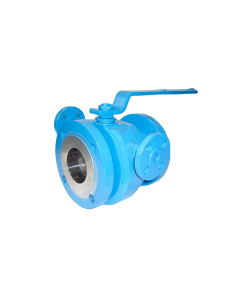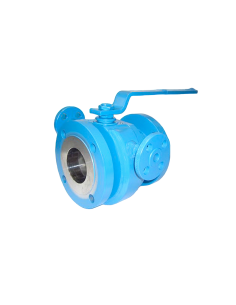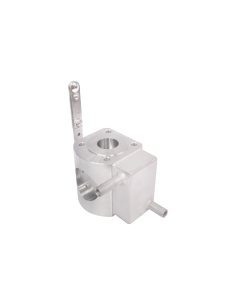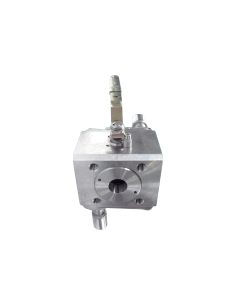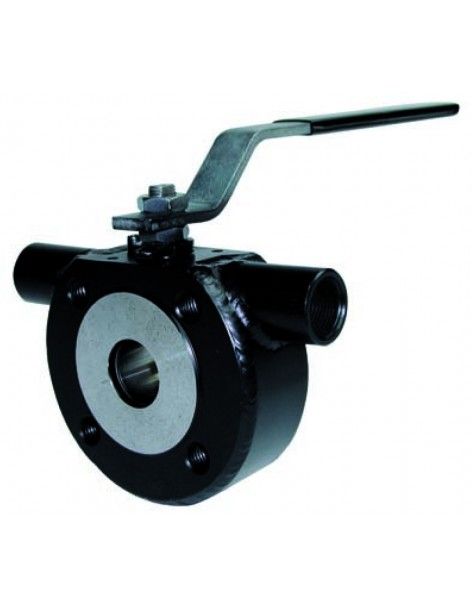

Heating Jacket
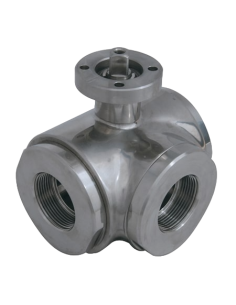
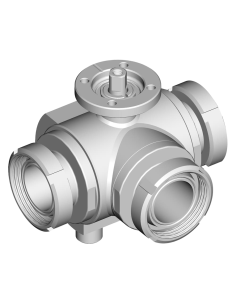
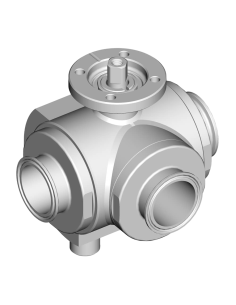
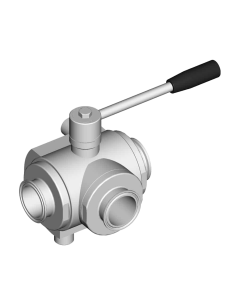
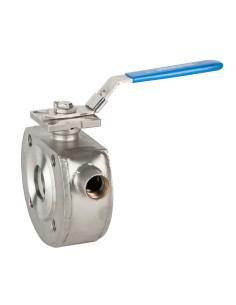
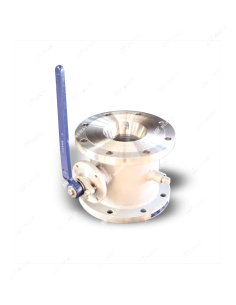
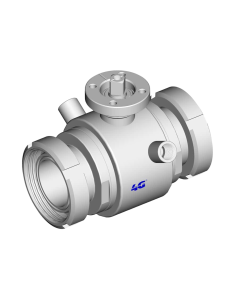
Jacketed ball valves are used in process lines where the medium must remain within a controlled temperature condition while passing through the valve. The jacket arrangement allows circulation of a heating medium—typically steam, hot water, or thermal oil—around the valve body in order to limit cooling, viscosity increase, crystallization, or solidification of the product. Typical services include heavy oils, resins, fats, polymers, bitumen, chocolate, semi-solid products, and other temperature-sensitive industrial fluids.
This category includes 2-way and 3-way ball valves, including T-port and L-port configurations, full bore, wafer-pattern, flanged, and sanitary connection designs for processes requiring disassembly or cleaning. Available end connections include flanged ends, wafer flanged installation, clamp, ISO 228-1 threaded connections, and DIN 11851 sanitary fittings. Product ranges cover DIN and ANSI standards, with pressure ratings from PN 10 to PN 100 and ASME Class 150 to 600.
Body materials include stainless and carbon steels such as 1.4307, 1.4404, 1.4408, ASTM A105, ASTM A182 F316/F316L, ASTM A350 LF2, ASTM A351 CF8/CF8M, and ASTM A479 Type 304/316/316L. Seat materials such as PTFE, PTFE + 15% glass fiber, virgin PTFE, and modified virgin PTFE should be selected based on operating temperature, chemical compatibility, pressure, viscosity, and required operating torque.
During valve selection, the jacket circuit temperature must be evaluated in relation to the product temperature, together with heating media pressure, condensate drainage, dead-leg minimization, cleanability, flow direction, and port geometry in 3-way versions. For automated operation, actuator sizing should be based on torque requirements during both hot and cold start-up, as high-viscosity media can significantly increase breakaway torque. Maintenance review should also consider seat wear, stem sealing, thermal expansion effects, and internal leakage risk under cyclic service.