


Gate Valve - Wedge Type Bolted Bonnet | Fluitek | Philippopoulos s.a.

Gate Valve - Wedge Type Bolted Bonnet | Fluitek

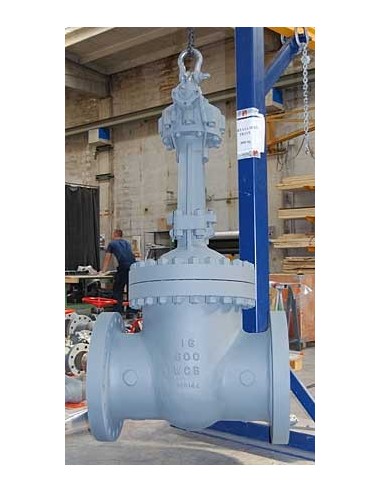
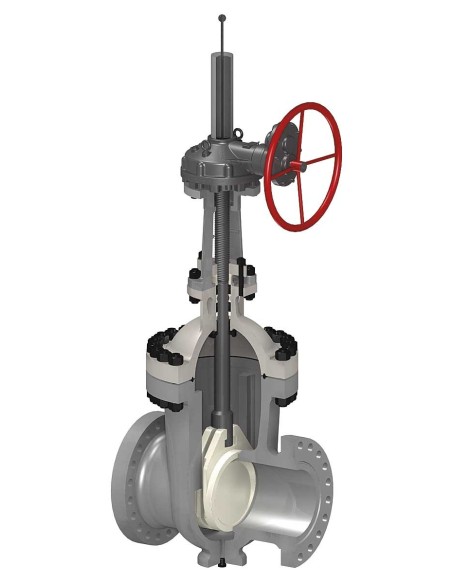
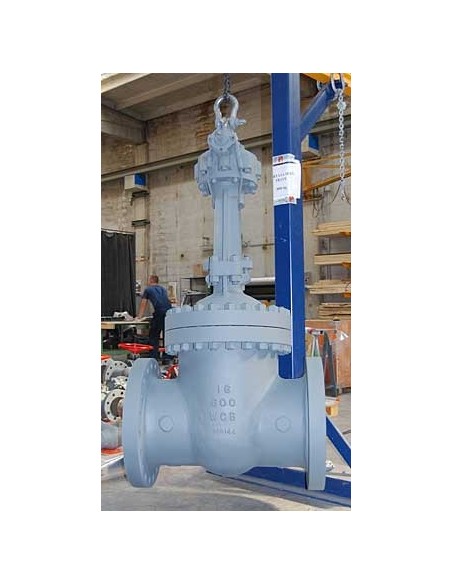
Fluitek Wedge Type Bolted Bonnet Gate Valve

The Fluitek Wedge Type Bolted Bonnet is a wedge gate valve designed for flow isolation in industrial process lines. It is used for on/off applications rather than flow regulation, as intermediate positions increase seat and wedge erosion.

Technical Configuration

  • Type: wedge gate valve, bolted bonnet
  • Standardization: ANSI / ASME
  • Primary design standard: API 600
  • Alternative design reference: EN 12516
  • Pressure classes: typically Class 150, 300, 600
  • Ends: flanged or butt weld, per line specification
  • Materials: ASTM/ASME or EN, calculated for application design conditions

Construction Materials

The range covers applications beyond standard carbon steel. Options include:

  • low temperature carbon steel
  • low alloy / nickel alloy steels
  • chrome-moly low alloy steels
  • austenitic stainless steels
  • duplex stainless steels
  • nickel alloys

Material selection should consider temperature, pressure, corrosion, NACE/sour service requirements, and fluid compatibility.

Applications

Typically used in steam, thermal oil, hydrocarbons, gases, chemical liquids, and utility service lines. For steam, water hammer control, condensate drainage, and gradual preheating are required. For solids-laden liquids, seat wear assessment is necessary.

Dimensions and Selection

The technical sheet provides an indicative table for Class 300, from 2" to 36", with end-to-end, height, bore diameter, and weight. Sizes above 36" are available upon request.

Certifications

Certifications include ISO 9001:2015, PED 2014/68/EU, ATEX 2014/34/EU, IEC 61508/SIL, API 6A, API 6D, and API 6DSS.

FAQ

When to choose bolted bonnet?
For lines requiring bonnet disassembly for packing, stem, and trim inspection.

Flanged or butt weld?
Flanged for easier disassembly. Butt weld for critical temperature/pressure lines.

Is it suitable for throttling?
No. It is an isolation valve, fully open or closed.

Standard (Options)
  • ANSI
Connection (Options)
  • Flanged
Material (Options)
  • Austenitic-Ferritic Stainless Steels (Duplex)
  • Austenitic Steels
  • Low Temperature Carbon Steel
  • Low Alloy Steel
  • Chrome-moly Low Alloy Steels
  • Nickel Alloys
Pressure Rating (Options)
  • 150 lbs
  • 300 lbs
  • 600 lbs

Datasheet and documents

Description

Specific attention is given to products in other than day-to-day used material, i.e. carbon steel. In particular: low temperature carbon and low alloy (nickel) steels, chrome-moly low alloy steels, austenitic and austenitic-ferritic duplex stainless steels, nickel alloys. Basic standard of reference is API 600, but also EN 12516 can be referred to. Materials are either to ASTM/ASME standards or to EN standards, either harmonized or calculated to design conditions.

Pressure classes are normally ranging from 150# to 300# and 600#. Flanged or butt weld ends configurations are both available. Size range depends on pressure class requirements, FLUITEK ORSENIGO VALVES having no limits in relation to market requirements.

Certifications