

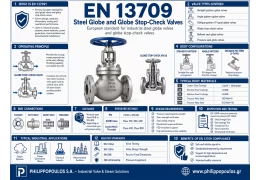
EN 13709 is the primary European standard covering steel globe valves and globe stop-check valves used in industrial...
EN 12516 is the primary European standard governing the strength design of industrial valves. It defines pressure-temperature ratings, wall thickness calculations, allowable stresses and design requirements for valves operating under pressure.
What is EN 12516?
The standard provides methods for calculating the mechanical strength of industrial valves to ensure safe operation within specified pressure and temperature limits.
It serves as a key European reference for valve design and compliance with PED 2014/68/EU.
Structure of the Standard
EN 12516-1
Pressure-temperature rating tables for metallic valves.
EN 12516-2
Methods for calculating the strength of steel valve bodies and pressure-retaining components.
EN 12516-3
Experimental methods for evaluating valve strength.
Valve Types Covered
- Gate Valves
- Globe Valves
- Check Valves
- Ball Valves
- Butterfly Valves
- Plug Valves
- Control Valves
Pressure-Temperature Ratings
EN 12516 establishes allowable pressure ratings based on operating temperature and material properties.
As temperature increases, the maximum allowable working pressure typically decreases.
Common Materials
- GP240GH
- P250GH
- 1.0619
- 1.4408
- 1.4308
- 1.4571
- 13CrMo4-5
- 10CrMo9-10
Wall Thickness Calculations
The standard defines minimum wall thickness requirements based on:
- Nominal Size (DN)
- Design Pressure
- Design Temperature
- Body Material
- Safety Factors
Allowable Material Stresses
Allowable stress values are specified for different materials and operating temperatures.
These values are used in strength calculations for valve bodies, bonnets and other pressure-retaining components.
Relationship with PED 2014/68/EU
EN 12516 is widely used to support conformity assessment and technical documentation required by the European Pressure Equipment Directive.
Related Standards
| Standard | Scope |
|---|---|
| EN 12516 | Valve Design Strength |
| EN 12266 | Valve Testing |
| EN 1092-1 | Steel Flanges |
| ASME B16.34 | Valve Design |
| PED 2014/68/EU | Pressure Equipment |
Typical Industrial Applications
Steam Systems
Isolation and control valves operating under elevated pressure and temperature conditions.
Chemical Plants
Process valves designed for demanding operating environments.
Power Generation
Main steam valves, feedwater valves and auxiliary systems.
Petrochemical Facilities
Valves used in critical pressure-containing services.
Benefits of EN 12516 Compliance
- Documented design strength
- Safe pressure operation
- PED compatibility
- Standardized engineering calculations
- Improved equipment reliability
Frequently Asked Questions
What does EN 12516 cover?
Valve design strength calculations and pressure-temperature ratings.
Does EN 12516 cover valve testing?
No. Valve testing is generally covered by EN 12266.
What is the difference between EN 12516 and ASME B16.34?
EN 12516 is the primary European valve design standard, while ASME B16.34 is widely used in American-standard projects.
Conclusion
EN 12516 is a key European standard for industrial valve design. Through standardized strength calculations and pressure-temperature ratings, it supports safe operation of pressure equipment across industrial applications.