


Ball Valve - Type 28001 | Ibor Valves | Philippopoulos s.a.

Ball Valve - Type 28001 | Ibor Valves

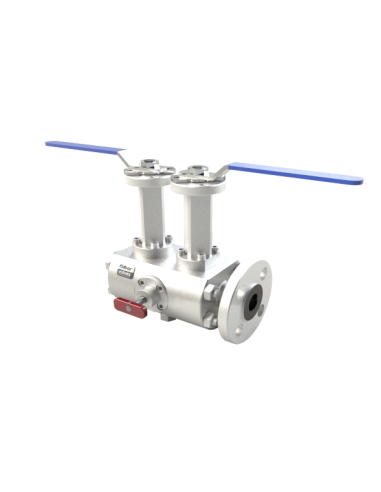
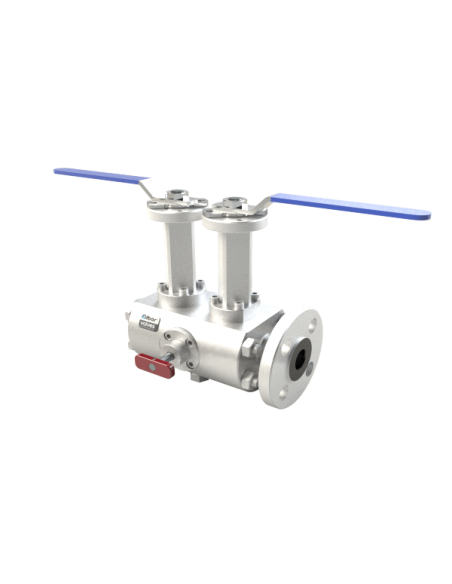
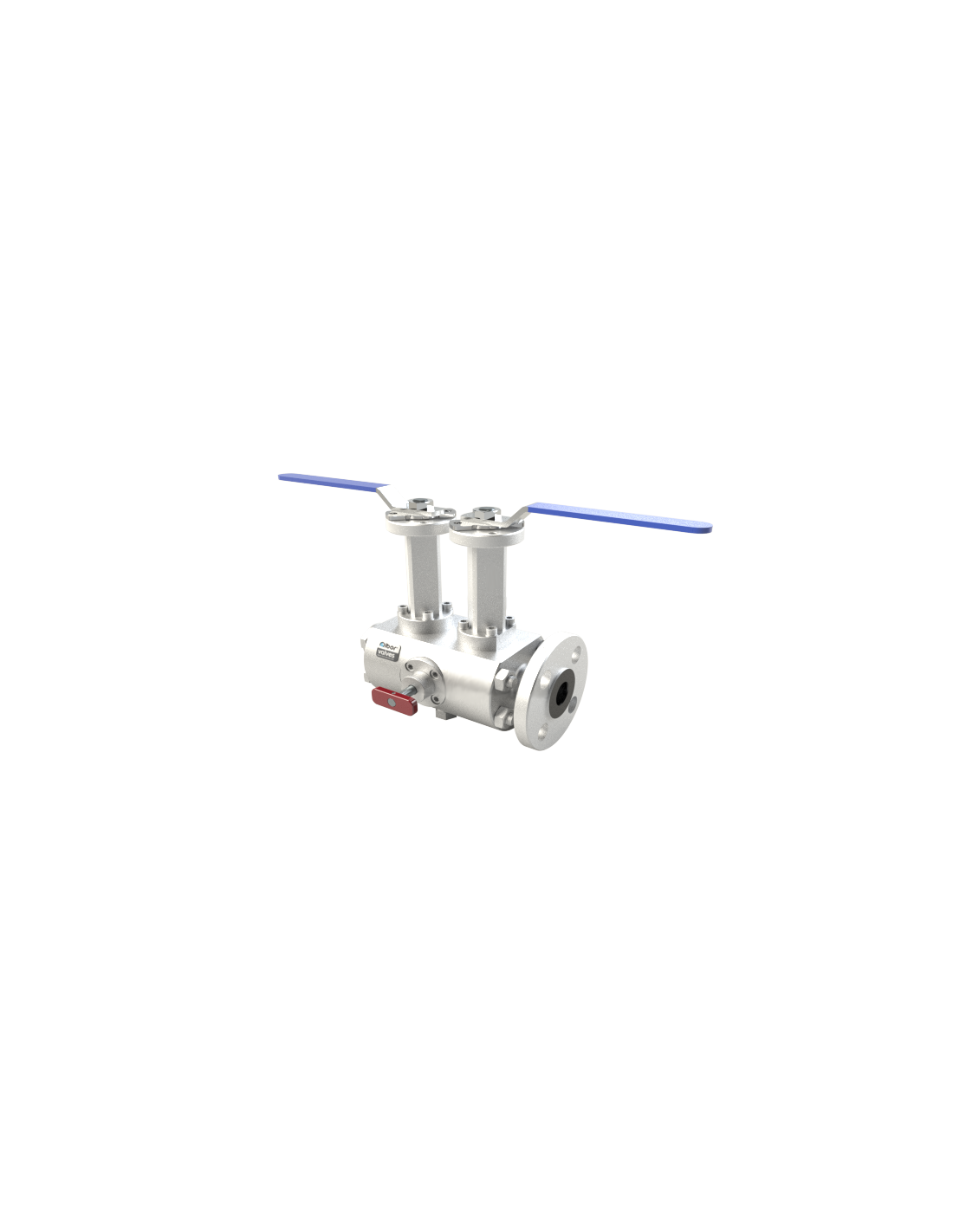
Ibor Type 28001 Ball Valve

The Ibor 28001 is a 2-way isolation ball valve for industrial liquid and gas services. The configuration combines a self-relieving seat for cavity pressure relief with a secondary soft seat where additional shut-off tightness is required.

Sealing System and Stem Arrangement

  • Self-relieving seat to reduce trapped cavity overpressure.
  • Secondary soft seat for supplementary sealing on clean liquids and gases.
  • Thermal stem extension or extended bonnet for hot or insulated lines.
  • Stem sealing arrangement suitable for fugitive-emission-controlled applications, subject to project specification.
  • Locking device for prevention of unintended operation.
  • Drain plug for body cavity draining, venting, or depressurisation.
  • Overlay on the seat area or on all wetted parts, depending on corrosion and erosion duty.
  • Heating or cooling jacket for media requiring temperature control.

End Connections and Standards

  • Flanged ends: ASME B16.5, GOST 12815-80, EN 1092-1.
  • Socket weld ends: ASME B16.11.
  • Butt weld ends: ASME B16.25.
  • NPT threaded ends: ASME B1.20.1.
  • BSPP or BSPT threaded ends: BS 21.

Typical Applications

  • Steam and condensate isolation, subject to seat material temperature limits.
  • Hot water and thermal-oil auxiliary systems.
  • Process gases and utility gases.
  • Hydrocarbon liquid and gas lines.
  • Skid packages, boiler houses, tank farms, and process utility headers.

Operating Conditions and Selection Logic

Pressure class, allowable temperature range, and media compatibility depend on the selected body material, seat material, end connection, and applicable standard. For services with thermal cycling, trapped liquid, or volatile media, the self-relieving seat reduces the risk of cavity pressure build-up. The secondary soft seat is normally selected for clean fluids where leakage control is more critical than tolerance to solids.

Variant Differences

  • Standard body: used for general isolation duties.
  • Extended stem or bonnet: used on insulated, hot, or cryogenic-adjacent piping layouts.
  • Jacketed body: used when the medium must be heated or cooled to maintain viscosity, prevent solidification, or control process temperature.
  • Overlayed wetted parts: used where corrosion allowance or erosion resistance is required.

Actuation Options

The valve may be specified for manual lever operation, gearbox operation, pneumatic actuator, electric actuator, or hydraulic actuator. Actuator sizing should consider differential pressure, breakaway torque, cycling frequency, fail position, control system interface, and hazardous-area requirements.

Inspection, Testing, and Documentation

Connection standards shall be matched to the piping class. Material certificates, pressure testing, leakage testing, fugitive-emission qualification, and other certifications should be defined in the requisition or project valve specification.

FAQ

When is the self-relieving seat required?
It is used where trapped pressure in the body cavity may occur due to thermal expansion or volatile media.

When should the secondary soft seat be selected?
For clean liquids or gases where tighter shut-off is required and abrasive solids are not expected.

When is a heating or cooling jacket used?
When process temperature must be maintained to prevent crystallisation, waxing, viscosity increase, or overheating of the medium.

Description

Seat design

  • Self-relieving seat (cavity relief)
  • Secondary Soft Seat

Stem

  • Thermic extension, stem or bonnet extension
  • Design according to fugitive emissions
  • Locking device

Others

  • Drain plug
  • Overlay on seat area or on all wetted parts
  • Heating or cooling jacket

Connections

Flanged End: ASME B16.5 / GOST 12815-80 / EN 1092.1

Socket Weld End: ASME B16.11

**integral nipples and available

Butt Weld End: ASME B16.25

**integral nipples and available

Threaded NPT End: ASME B1.20.1

Threaded BSPP OR BSPT: BS21

Others

Design & Certification

Normative: ANSI / DIN

Design: API 6D / ISO 17292

Face to Face: Manufacture

Top Flange: ISO 5211

Press-Temp Ratings & Thickness: ASME B16.34

Test: API 6D / API 598 / EN 12266-1

Pressure Equipment Directive: PED 2014/68/EU Mod. H1

Equipment Directive: ATEX 94/9/EC

Fugitive Emissions: Class”A” acc.to ISO 15484-2

Safety integrity level: Sil 2 acc.to IEC 61508

Material: NACE MR0175 Lastest Edition

Certification:EN 10204 type 2.1, 3.1, (3.2 upon request)