


Ball Valve - Type 28000 | Ibor Valves | Philippopoulos s.a.

Ball Valve - Type 28000 | Ibor Valves

Ibor Type 28000 Ball Valve

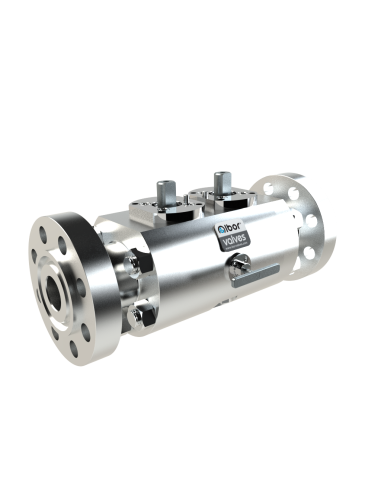
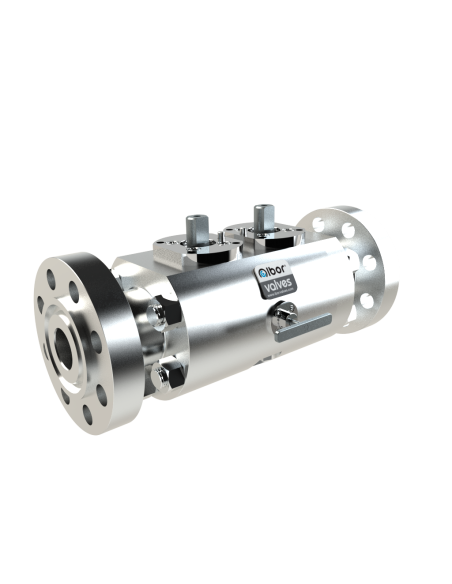
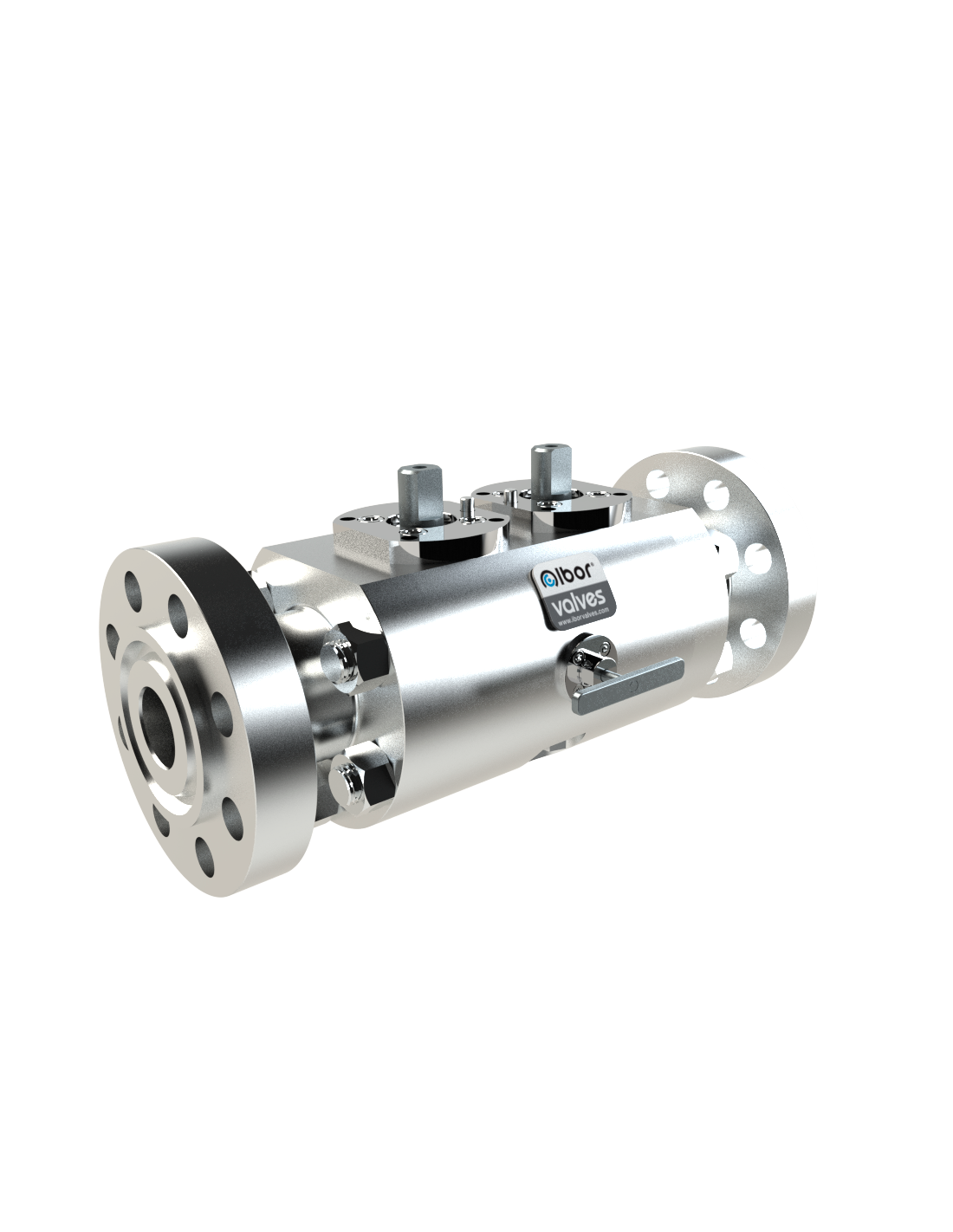
The Ibor 28000 is a 2-way ball valve used for flow isolation in industrial piping. The self-relieving seat allows pressure in the ball cavity to vent to the line, which is relevant where trapped liquid may expand due to temperature increase.

Sealing, Stem and Body Options

  • Self-relieving seat for cavity pressure relief
  • Stem extension or bonnet extension for insulated or buried lines
  • Design provisions for reduced fugitive emissions
  • Locking device for open or closed position control
  • Drain plug for cavity draining, venting or depressurisation
  • Seat-area overlay or overlay on all wetted parts for corrosive or erosive service
  • Optional heating or cooling jacket for temperature-controlled fluids

End Connections and Standards

  • Flanged ends: ASME B16.5, GOST 12815-80, EN 1092-1
  • Socket weld ends: ASME B16.11
  • Butt weld ends: ASME B16.25
  • NPT threaded ends: ASME B1.20.1
  • BSPP or BSPT threaded ends: BS 21

Pressure-temperature limits depend on valve size, body material, seat material, end connection and selected pressure class. Final selection should be checked against the manufacturer’s pressure-temperature chart and the applicable piping class.

Typical Media and Services

  • Steam and condensate isolation
  • Hot water and thermal utility systems
  • Compressed air and inert gas lines
  • Process gases and hydrocarbon service
  • Drains, vents, bypass lines and skid-mounted packages

Variant Selection Logic

  • Flanged version: preferred where periodic removal, inspection or replacement is expected.
  • Butt weld or socket weld version: used in permanent process lines where external leakage paths must be minimized.
  • Threaded version: commonly applied on small-bore utilities, vents, drains and auxiliary circuits.
  • Jacketed version: selected when the medium must be kept above a pour point, crystallization point or controlled process temperature.

Actuation and Operation

The valve may be operated manually or fitted with pneumatic, electric or hydraulic actuation where remote isolation, interlocking or emergency shutdown logic is required. Actuator sizing should consider differential pressure, breakaway torque, operating frequency and ambient conditions.

FAQ

When is a self-relieving seat required?

It is used where fluid trapped in the closed ball cavity can thermally expand and generate overpressure.

When should overlay be specified?

Overlay is considered for corrosive, erosive or fouling media where the base material or sealing surfaces require additional protection.

Is this a control valve?

No. It is primarily an on-off isolation valve. Throttling service should be evaluated separately due to seat wear, noise, cavitation and flow instability.

Description

Seat design

  • Self-relieving seat (cavity relief)

Stem

  • Stem or bonnet extension
  • Design according to fugitive emissions
  • Locking device

Others

  • Drain plug
  • Overlay on seat area or on all wetted parts
  • Heating or cooling jacket

Connections

Flanged End: ASME B16.5 / GOST 12815-80 / EN 1092.1

Socket Weld End: ASME B16.11

**integral nipples and available

Butt Weld End: ASME B16.25

**integral nipples and available

Threaded NPT End: ASME B1.20.1

Threaded BSPP OR BSPT: BS21

Others

Design & Certification

Normative: ANSI / DIN

Design: API 6D / ISO 17292

Face to Face: Manufacture

Top Flange: ISO 5211

Press-Temp Ratings & Thickness: ASME B16.34

Test: API 6D / API 598 / EN 12266-1

Pressure Equipment Directive: PED 2014/68/EU Mod. H1

Equipment Directive: ATEX 94/9/EC

Fire Safe: API 6FA / API 607 / ISO 10497-2

Fugitive Emissions: Class”A” acc.to ISO 15484-2

Safety integrity level: Sil 2 acc.to IEC 61508

Material: NACE MR0175 Lastest Edition

Certification: EN 10204 type 2.1, 3.1, (3.2 upon request)